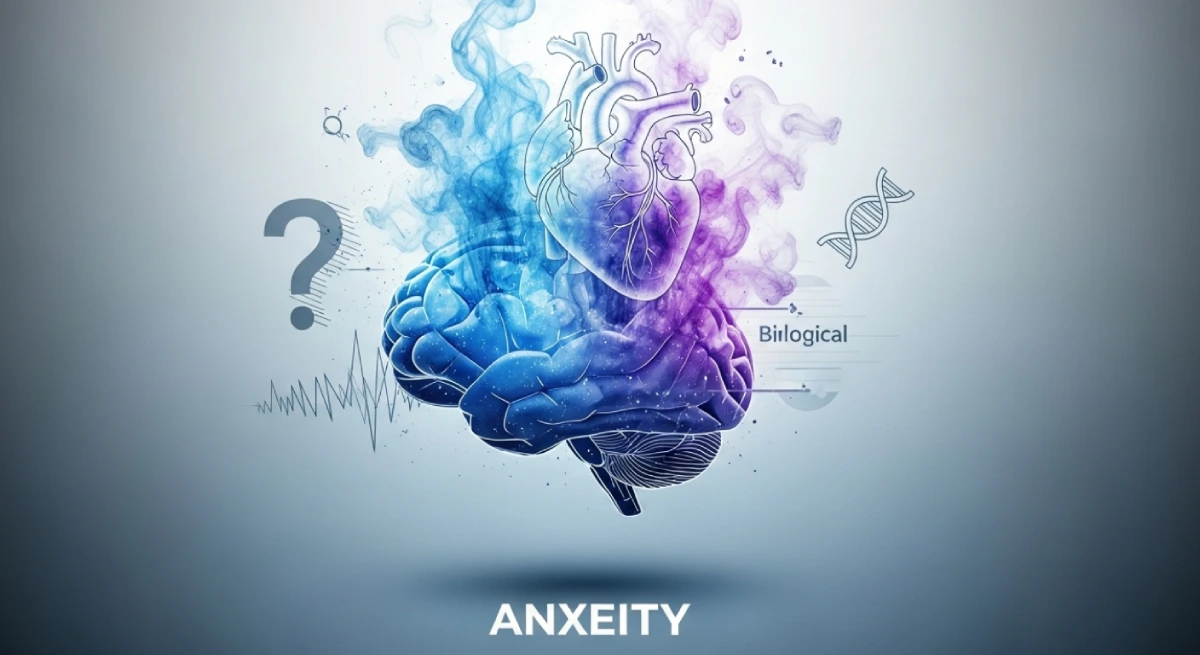
Anxiety is something almost everyone experiences at some point in life. Whether it’s before an exam, a job interview, or a major life decision, that uneasy feeling can be completely normal. But what happens when anxiety doesn’t go away?
For many people, anxiety becomes more than just a temporary emotion. It turns into a constant burden that affects daily life, relationships, and overall well-being. This is where the line between a natural response and a mental illness begins to blur.
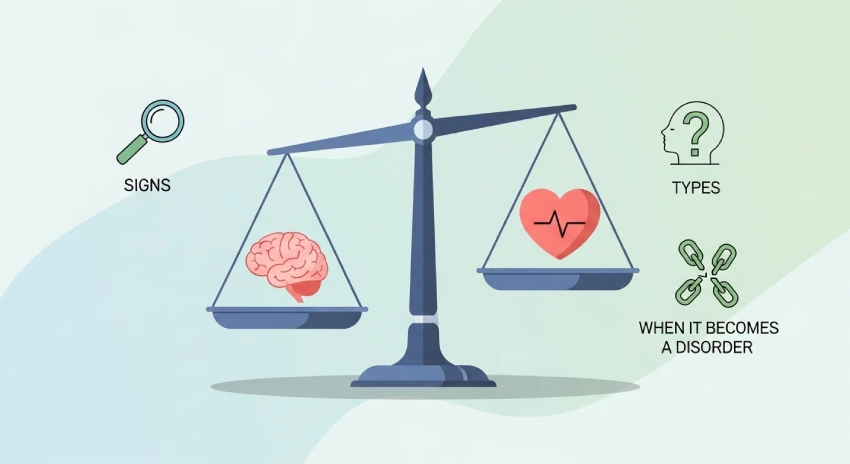
In this article, we’ll break down whether anxiety is a mental illness or simply an emotion, explore its signs and types, and explain when it becomes a disorder. You’ll also learn about treatment options and where to find reliable support.
The Dual Nature of Anxiety: Survival Instinct vs. Clinical Condition
Anxiety is not always harmful. In fact, it plays an essential role in human survival. It alerts us to danger and helps us prepare for challenging situations.
As a natural response, anxiety can improve focus and performance. For example, feeling nervous before an important presentation can motivate preparation and alertness.
However, problems arise when anxiety becomes persistent. Instead of helping, it begins to interfere with daily functioning and mental clarity. Over time, this shift transforms anxiety from a helpful emotion into a clinical condition that requires attention and care.
When Does Anxiety Qualify as a Mental Illness?
Anxiety becomes a mental illness when it evolves into an anxiety disorder. This happens when fear or worry is excessive, long-lasting, and difficult to control.
Health organizations like the WHO recognize anxiety disorders as treatable mental health conditions. This means they are not just “in your head” but real medical concerns.
- Persistent worry lasting months
- Difficulty controlling fear
- Physical symptoms like sweating or a racing heart
- Interference with daily activities
These factors indicate that anxiety may have crossed into a diagnosable disorder.
Clinical Definition of Anxiety Disorders (WHO Perspective)
The World Health Organization classifies anxiety disorders as mental illnesses due to their impact on functioning. They are among the most common mental health conditions globally.
These disorders involve intense fear or worry that is disproportionate to the situation. Unlike temporary stress, they do not fade easily.
People with anxiety disorders often experience recurring symptoms that disrupt normal routines. This makes professional treatment necessary. Importantly, these conditions are highly treatable with the right approach.
Duration, Intensity, and Loss of Control as Key Indicators
One of the biggest differences between normal anxiety and a disorder is duration. Occasional anxiety fades quickly, while disorders can last for months or even years. Intensity also matters. When anxiety feels overwhelming or irrational, it signals a deeper issue.
Loss of control is another major sign. Individuals may feel unable to manage their thoughts or reactions. These combined factors often indicate the need for medical or psychological support.
Impact on Daily Life: Work, Relationships, and Health
Anxiety disorders don’t just affect the mind; they impact every aspect of life. Work performance may decline due to constant worry or lack of focus. Relationships can suffer as individuals withdraw or avoid social situations. This isolation can worsen symptoms over time.
Physical health is also affected. Chronic anxiety can lead to fatigue, headaches, and sleep problems. When daily functioning is disrupted, it’s a strong sign that anxiety has become a mental illness.
Normal Anxiety vs. Anxiety Disorder: A Clear Comparison
Understanding the difference between normal anxiety and a disorder is crucial. While both share symptoms, their severity and duration differ significantly. Normal anxiety is temporary and manageable. Anxiety disorders are persistent and disruptive.
- Temporary stress vs. ongoing worry
- Mild discomfort vs. overwhelming fear
- Short-term symptoms vs. chronic reactions
Recognizing these differences helps individuals seek help at the right time.
Short-Term Nervousness vs. Chronic Worry
Short-term anxiety appears during stressful situations. It fades once the situation is resolved. Chronic worry, however, persists even without a clear cause. It becomes a constant mental burden. This ongoing stress can lead to exhaustion and reduced quality of life. Over time, chronic worry can develop into a diagnosable condition.
Manageable Stress vs. Overwhelming Fear
Normal stress can usually be controlled with relaxation techniques or time. It doesn’t dominate thoughts. In contrast, overwhelming fear feels uncontrollable. It can trigger panic attacks and physical symptoms. This level of intensity often requires professional intervention. Ignoring it may worsen the condition over time.
Occasional Symptoms vs. Persistent Physical Reactions
Occasional symptoms like sweating or a racing heart are common during stress. They usually pass quickly. Persistent physical reactions, however, occur frequently and without clear triggers. These may include dizziness, trembling, or chest discomfort. Such symptoms indicate that anxiety may have become a disorder.
Common Types of Anxiety Disorders You Should Know
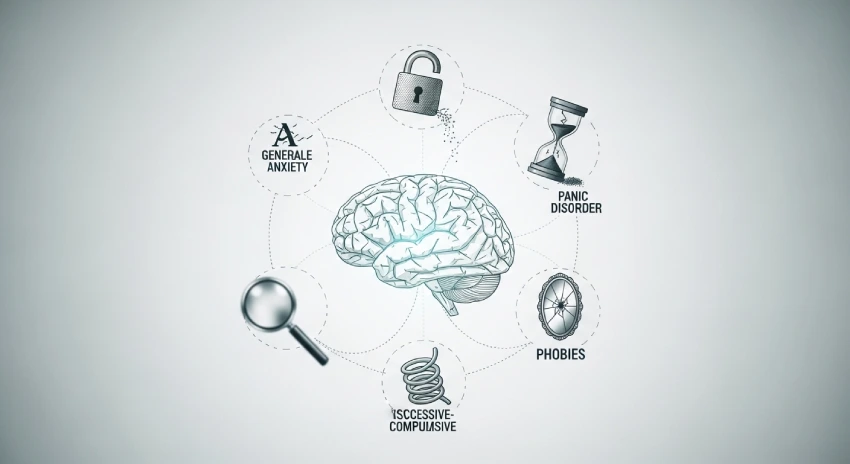
Anxiety disorders come in different forms, each with unique symptoms and triggers. Understanding these types can help identify the condition early. They are all treatable but require proper diagnosis and care.
- Generalized Anxiety Disorder (GAD)
- Panic Disorder
- Social Anxiety Disorder
- Specific Phobias
Each type affects individuals differently but shares the core feature of excessive fear.
Generalized Anxiety Disorder (GAD)
GAD involves constant and excessive worry about everyday situations. It often occurs without a clear reason. People with GAD may feel restless or on edge most of the time. This can affect concentration and sleep. The condition can last for months or years if untreated. Treatment typically includes therapy and medication.
Panic Disorder and Sudden Anxiety Attacks
Panic disorder is characterized by sudden, intense episodes of fear. These are known as panic attacks. Symptoms include chest pain, rapid heartbeat, and shortness of breath.
They can feel life-threatening. These attacks often occur unexpectedly, increasing fear of future episodes. Professional treatment is essential to manage symptoms effectively.
Social Anxiety Disorder and Fear of Judgment
Social anxiety disorder involves intense fear of social situations. Individuals worry about being judged or embarrassed. This can lead to avoidance of gatherings, meetings, or public speaking. Over time, it can limit personal and professional growth. Therapy is highly effective in managing this condition.
Specific Phobias and Trigger-Based Anxiety
Phobias are intense fears of specific objects or situations. Common examples include fear of heights or flying. These fears are often irrational but very real to the individual. Avoidance behavior is common, which can interfere with daily life. Treatment usually involves exposure therapy and counseling.
Why Trust Our Expertise for Anxiety Support?
Choosing the right provider is crucial for managing anxiety effectively. At Simply Sleeping Pills, we prioritize quality, safety, and customer care. We specialize in insomnia and anxiety-related solutions. Our platform offers access to trusted medications and expert guidance.
- Premium pharmaceutical products
- Trusted online pharmacy in the UK
- Expert advice and support
We are committed to helping you regain control of your mental well-being.
Access to Trusted Medications and Guidance
We provide high-quality medications from reputable manufacturers. These include:
- Xanax tablets and proper xanax dosage guidance
- Alprazolam tablets with safe alprazolam dosage
- Diazepam tablets including valium 10 mg / diazepam 10 mg
- Clonazepam tablets such as clonazepam 2 mg
We also offer sleep aids like Zopiclone 7.5 mg Tablets and Zolpidem (Ambien) 10 mg. Our team ensures you receive the right information before use.
Commitment to Safe and Reliable Solutions
Safety is our top priority. All medications are sourced from trusted pharmaceutical companies. We ensure strict quality checks before delivery. This guarantees reliability and effectiveness. Customers can trust that they are receiving genuine products. We also emphasize responsible usage and consultation.
Confidential and Customer-Focused Service
Privacy matters when dealing with mental health. We offer discreet packaging and secure transactions. Our support team is always available to assist with queries. We focus on building long-term trust with our clients. Every customer receives personalized attention and care.
Where You Can Easily Access Reliable Anxiety Solutions?
Accessing anxiety treatment has never been easier. Simply Sleeping Pills offers a seamless online experience. Our platform allows you to order medications safely from the comfort of your home.
We provide fast delivery and secure payment options. With a strong reputation in the UK, we ensure reliability and convenience for every customer.
FAQs
1. What are panic attacks?
Panic attacks are sudden episodes of intense fear. They include symptoms like chest pain, rapid heartbeat, and dizziness. They can occur without warning and often require medical attention.
2. How long do sleeping pills last?
Sleeping pills like Zopiclone 7.5 mg tablets or zolpidem 10 mg typically last 6–8 hours. Their effects vary depending on dosage and individual response.
3. What is the best anxiety treatment?
The best treatment combines therapy (like CBT) and medication. Options include xanax tablets, alprazolam tablets, and diazepam tablets under medical supervision.
4. How can I control anxiety?
You can control anxiety through relaxation techniques, therapy, and proper medication. Lifestyle changes like exercise and sleep improvement also help.
5. What causes anxiety and chest pain?
Anxiety can cause chest pain due to muscle tension and rapid heartbeat. It is important to rule out medical conditions and seek professional advice.
Finding Balance Between Emotion and Illness
Anxiety is both a natural emotion and, in some cases, a serious mental illness. The key lies in recognizing when it shifts from temporary stress to a persistent disorder. Ignoring chronic anxiety can lead to long-term consequences.
However, with the right support and treatment, recovery is entirely possible. Simply Sleeping Pills offers trusted solutions to help you manage anxiety effectively. Take the first step today and regain control of your mental well-being.