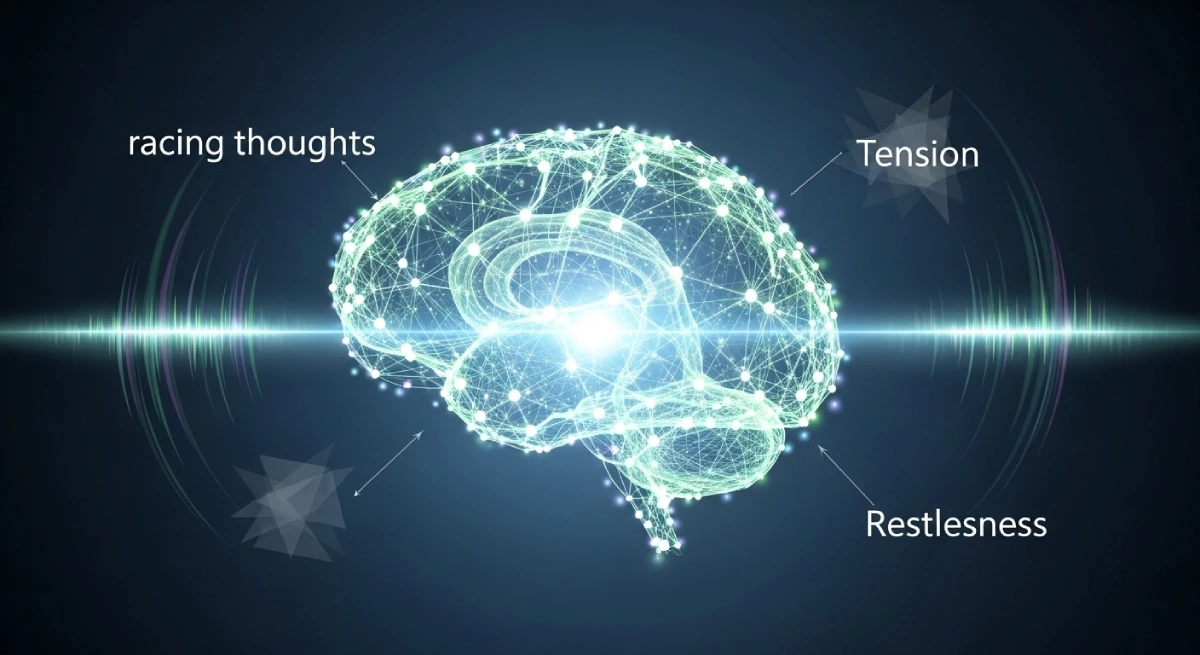
Anxiety symptoms are more than just occasional stress; they can disrupt your physical health, emotional stability, and daily routine. Many people ignore early warning signs like restlessness or racing thoughts until they escalate into serious issues.
Left unmanaged, anxiety can lead to insomnia, panic attacks, and long-term health complications. The good news is that understanding these symptoms early can help you take control before they worsen.
In this guide, we’ll explore the full spectrum of anxiety symptoms, how they affect your body and mind, and the most effective treatment options, including trusted medications and expert support from Simply Sleeping Pills.
The Core Signs of Anxiety Symptoms Explained
Anxiety symptoms often appear gradually, affecting both the mind and body. Recognizing these signs early helps prevent long-term complications and improves treatment outcomes.
- Physical discomfort signals
- Emotional instability
- Behavioral disruptions
Anxiety does not always look the same in everyone. Some people experience physical symptoms first, while others notice emotional or behavioral changes.
Understanding the full range of symptoms allows individuals to identify patterns and triggers. This awareness is the first step toward effective management and recovery.
Physical Reactions Your Body Can’t Hide
Physical symptoms are often the most noticeable signs of anxiety. They can mimic serious medical conditions, making them alarming and confusing. Rapid heartbeat and shortness of breath are common. These symptoms may feel like a heart problem but are often linked to anxiety responses.
Muscle tension and trembling can occur even without physical exertion. Over time, this can lead to chronic pain and fatigue. Other common physical symptoms include:
- Sweating and cold hands
- Dry mouth and tingling sensations
- Dizziness and nausea
Digestive issues like “butterflies” in the stomach are also frequent. These symptoms are caused by the body’s stress response system.
Mental and Emotional Distress Signals
Mental symptoms of anxiety can be overwhelming and persistent. They often interfere with focus and decision-making. Constant worry is one of the most defining features. It can feel uncontrollable and exhausting.
People with anxiety may feel restless or on edge. This heightened alertness makes it difficult to relax. Other emotional symptoms include:
- Irritability and mood swings
- Fear of impending danger
- Racing or intrusive thoughts
Difficulty concentrating is another key sign. Many individuals describe it as having a “blank mind.”
Behavioral Changes That Disrupt Daily Life
Behavioral symptoms often develop as coping mechanisms. Unfortunately, they can worsen anxiety over time. Avoidance is one of the most common behaviors. People may avoid social situations or specific triggers.
Sleep disturbances are also frequent. Insomnia can significantly impact mental and physical health. Other behavioral patterns include:
- Repetitive checking behaviors
- Withdrawal from daily activities
- Reduced productivity
These behaviors can create a cycle where anxiety continues to grow if left untreated.
Anxiety Attacks vs. Panic Attacks: What Sets Them Apart?
Understanding the difference between anxiety and panic attacks is essential for proper treatment. While they share similarities, their causes and intensity differ.
- Anxiety builds gradually
- Panic attacks are sudden and intense
- Symptoms may overlap but vary in severity
Recognizing these differences helps individuals respond appropriately during episodes.
Gradual Build-Up of Anxiety Attacks
Anxiety attacks typically develop over time. They are often linked to stress or ongoing worries. Symptoms may start mildly and increase gradually. This makes them easier to anticipate but harder to control.
Common triggers include work pressure, financial stress, or personal concerns. These factors can cause prolonged anxiety episodes. Unlike panic attacks, anxiety attacks are usually tied to identifiable causes.
Sudden Impact of Panic Attacks
Panic attacks occur suddenly and without warning. They can feel extremely intense and frightening. Symptoms often peak within minutes. These include chest pain, rapid heartbeat, and dizziness.
Many people feel like they are losing control. Some even believe they are having a heart attack. The unpredictability of panic attacks makes them particularly distressing.
Key Differences You Should Know
The main difference lies in intensity and onset. Anxiety builds slowly, while panic attacks strike suddenly. Panic attacks are typically more severe. They can occur even without a clear trigger.
Key differences include:
- Duration and intensity
- Presence of triggers
- Physical symptom severity
Understanding these distinctions helps in choosing the right treatment approach.
When Anxiety Symptoms Become a Serious Concern?
Recognizing when anxiety becomes dangerous is crucial. Early intervention can prevent long-term complications.
- Interference with daily life
- Severe physical symptoms
- Frequent episodes
Ignoring symptoms can lead to worsening mental health conditions.
Interference with Daily Activities
When anxiety starts affecting work or relationships, it becomes a serious issue. Everyday tasks may feel overwhelming. People may struggle to focus or complete responsibilities. This can impact productivity and confidence. Over time, this disruption can lead to isolation and frustration.
Severe Physical Symptoms (e.g., chest pain)
Physical symptoms like chest pain should never be ignored. They can mimic serious medical conditions. Shortness of breath and dizziness can also be alarming. These symptoms may require immediate medical attention. Rule out other health issues before attributing them to anxiety.
Frequent or Recurring Attacks
Frequent anxiety or panic attacks indicate a deeper issue. These episodes can become more intense over time. Recurring attacks can create fear of future episodes. This leads to avoidance behaviors. Professional support is often necessary in such cases.
Signs of Anxiety or Panic Disorders
Persistent symptoms may indicate a disorder. These conditions require proper diagnosis and treatment. Common disorders include generalized anxiety disorder and panic disorder. Early diagnosis improves treatment outcomes significantly.
Importance of Professional Consultation
Consulting a healthcare professional ensures accurate diagnosis. It also helps in choosing the right treatment plan. Doctors may recommend therapy, lifestyle changes, or medication. Seeking help early can prevent complications and improve quality of life.
Treatment Options That Help Manage Anxiety Effectively
Managing anxiety requires a combination of medical and lifestyle approaches. Treatment varies based on severity and individual needs.
- Medication support
- Therapy and counseling
- Lifestyle improvements
Proper treatment can significantly reduce symptoms and improve well-being.
Prescription Medications for Anxiety Relief
Medications are often prescribed for moderate to severe anxiety. They help regulate brain chemistry. Common options include alprazolam tablets and recommended xanax dosage for short-term relief.
Doctors may also prescribe alprazolam dosage, diazepam 10 mg, or valium 10 mg depending on symptoms. Other treatments include klonopin dosage and clonazepam dosage, which are effective for long-term management.
Sleep Support Medications for Anxiety-Related Insomnia
Sleep disturbances are a major symptom of anxiety. Addressing insomnia is essential for recovery. Medications like zopiclone for sleep are commonly used. They help improve sleep quality and duration.
Zopiclone insomnia treatment is especially helpful for chronic sleep issues. Other options include ambien tablets and proper ambien dosage for better sleep regulation.
Commonly Used Medication Solutions
Several trusted medications are available for anxiety and insomnia management:
- Zopiclone 7.5 mg Tablets
- Xanax Tablets 1 mg Tablets
- Buy Diazepam/Valium 10 mg
- Zolpidem (Ambien) 10 mg
- Clonazepam 2 mg (INDIAN)
Always consult a healthcare professional before starting any medication.
Why Trust Our Expertise for Anxiety Support Solutions?
Choosing the right provider is essential for safe and effective treatment. Simply Sleeping Pills is committed to delivering trusted solutions for anxiety and insomnia.
- High-quality medications
- Expert guidance
- Secure services
Our goal is to provide reliable and accessible care.
Commitment to Quality and Safety
We source medicines from the most prestigious pharmaceutical companies. This ensures safety and effectiveness. All products meet strict quality standards. This gives our customers peace of mind. We prioritize health and safety in every order.
Reliable and Authentic Medication Sources
Authenticity is a top priority. We provide genuine medications like alprazolam and diazepam. Customers can trust the quality of every product. Transparency is key to our service. We maintain strong relationships with trusted suppliers.
Customer-Focused Care and Guidance
Our team provides expert advice tailored to your needs. We help you choose the right treatment options. Customer satisfaction is at the core of our service. We ensure a smooth and supportive experience. We are always available to assist with your concerns.
Discreet and Secure Services
Privacy is essential when dealing with health concerns. We offer discreet packaging and secure transactions. Our platform ensures safe and confidential ordering. This allows customers to shop with confidence. We respect your privacy at every step.
Where to Find Reliable Anxiety Support and Treatment Options?
Finding a trustworthy source for anxiety treatment is crucial. Simply Sleeping Pills is a leading online pharmacy in the UK. We specialize in insomnia and anxiety-related treatments. Our platform is designed for convenience and reliability.
Customers can easily browse and order medications online. Fast delivery ensures timely access to treatment. Our services are available across multiple locations. This makes quality care accessible to everyone.
FAQs
1. Can anxiety cause dizziness?
Yes, anxiety can cause dizziness due to hyperventilation and increased stress hormones. It often occurs during panic attacks or prolonged stress.
2. What happens during an anxiety attack?
An anxiety attack involves intense worry, rapid heartbeat, and physical discomfort. Symptoms may build gradually and last longer than panic attacks.
3. Is OCD an anxiety disorder?
Yes, OCD is classified as an anxiety-related disorder. It involves intrusive thoughts and compulsive behaviors.
4. How can I reduce anxiety naturally?
Lifestyle changes like exercise, meditation, and proper sleep can help reduce anxiety. Therapy is also highly effective.
5. Does CBD help with anxiety?
Some studies suggest CBD may help reduce anxiety symptoms. However, more research is needed, and medical advice is recommended.
Take Control of Anxiety Before It Controls You
Anxiety symptoms can affect every aspect of life, from physical health to emotional well-being. Recognizing these signs early is essential for effective management. With the right combination of treatment, lifestyle changes, and expert support, anxiety can be controlled.
Trusted providers like Simply Sleeping Pills offer reliable solutions to help you regain balance. Don’t ignore the warning signs; take action today and move toward a calmer, healthier future.