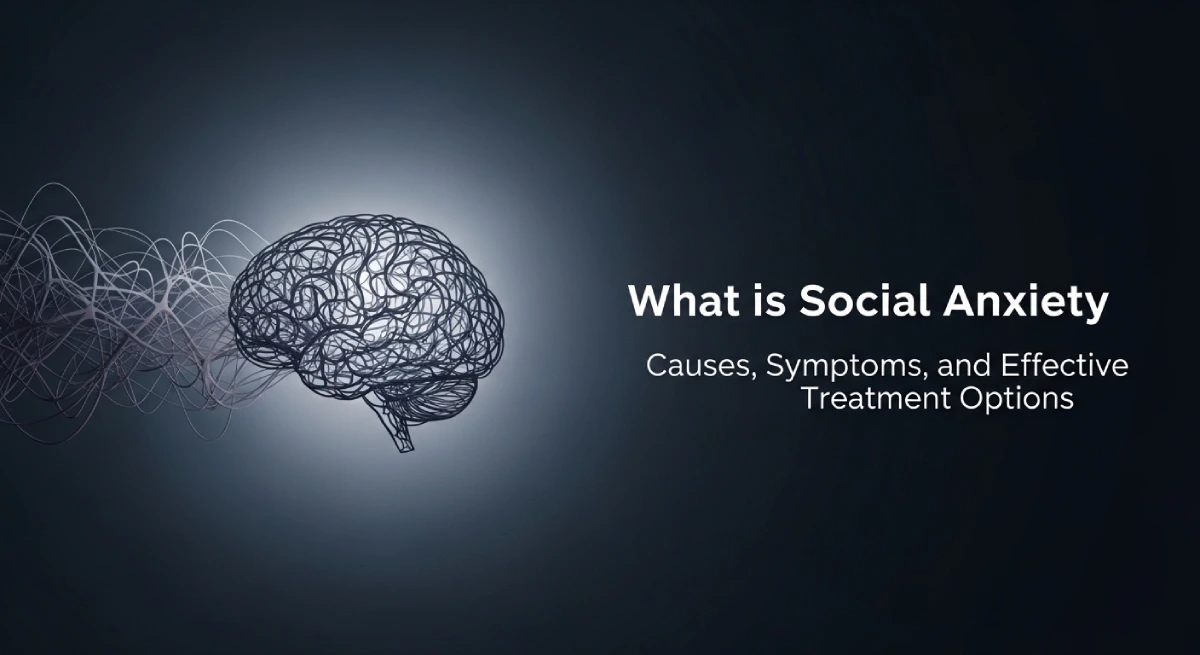
Social anxiety is more than just feeling shy in public; it’s a persistent fear that can disrupt everyday life. Many individuals struggle silently, avoiding social interactions due to fear of judgment or embarrassment.
This condition can affect careers, relationships, and overall mental well-being. Simple tasks like speaking in meetings or meeting new people can become overwhelming challenges.
The good news is that social anxiety is treatable. With the right combination of therapy, lifestyle changes, and medically supervised support, individuals can regain confidence and control over their lives.
Recognizing the Signs and Symptoms of Social Anxiety

Social anxiety often manifests through a combination of physical, emotional, and behavioral symptoms. Understanding these signs is crucial for early identification and effective management of the condition.
Physical Symptoms You Can’t Ignore
Social anxiety triggers noticeable physical reactions in the body. These symptoms can feel intense and uncontrollable, especially in stressful social situations.
Many individuals experience a rapid heart rate, sweating, or trembling when faced with social interactions. These reactions are part of the body’s natural stress response but become exaggerated in social anxiety.
Nausea and dizziness are also common, making even simple interactions physically uncomfortable. These symptoms often discourage individuals from engaging socially.
Over time, repeated physical discomfort reinforces avoidance behaviors, making the anxiety cycle harder to break.
Psychological and Cognitive Symptoms
The mental impact of social anxiety can be equally distressing. Individuals often experience overwhelming fear of being judged or embarrassed.
A common symptom is the mind going blank during conversations or presentations. This creates a fear of saying the wrong thing, further increasing anxiety levels.
Intense self-consciousness leads to constant overthinking about how one is perceived by others. This mental pressure can be exhausting and persistent. Negative self-talk and fear of criticism often dominate thoughts, reducing confidence and self-esteem over time.
Behavioral Patterns and Avoidance
Avoidance is a key feature of social anxiety disorder. People tend to avoid situations that might trigger discomfort or embarrassment.
Common behaviors include avoiding eye contact, skipping social gatherings, or limiting conversations. These actions provide temporary relief but worsen anxiety in the long run.
Some individuals rely heavily on their phones to avoid interaction in public settings. This creates a barrier that prevents meaningful social engagement. Avoidance patterns can gradually limit personal and professional growth, leading to isolation.
Situations That Commonly Trigger Social Anxiety
Certain everyday situations are more likely to trigger social anxiety symptoms. Identifying these triggers helps individuals prepare and manage their reactions more effectively.
- Public speaking
- Job interviews
- Eating in public
- Meeting strangers or authority figures
Public Speaking and Presentations
Speaking in front of others is one of the most common triggers. The fear of making mistakes or being judged can be overwhelming. Individuals often worry about forgetting what to say or being negatively evaluated. This can lead to avoidance of career opportunities.
Even experienced professionals may struggle with performance anxiety in high-pressure situations. Gradual exposure and practice can help reduce this fear over time.
Job Interviews
Job interviews combine evaluation and unfamiliar environments, making them particularly stressful. Candidates may feel intense pressure to perform perfectly. This can result in nervousness or difficulty expressing thoughts clearly.
Fear of rejection amplifies anxiety, making preparation more challenging. Supportive techniques and confidence-building strategies can help improve performance.
Eating or Talking in Public
Simple activities like eating in public can become sources of anxiety. Individuals may fear being watched or judged. Talking in public settings also creates discomfort due to fear of embarrassment.
These situations often lead to avoidance, limiting social experiences. Over time, these fears can significantly impact daily life.
Meeting New People or Authority Figures
Interacting with strangers or authority figures can trigger intense anxiety. Individuals often fear saying something inappropriate or being misunderstood. This can hinder networking and relationship-building opportunities. Practicing communication skills can gradually reduce this fear.
The Hidden Toll: Why Social Anxiety Should Not Be Ignored
Social anxiety can have serious long-term effects if left untreated. It impacts mental health, relationships, and overall quality of life in significant ways.
Long-Term Effects on Mental Health
Untreated social anxiety can lead to depression and chronic stress. The constant fear and avoidance create emotional exhaustion over time. Individuals may develop low self-esteem and negative self-image. Early intervention is essential to prevent worsening mental health conditions.
Impact on Career and Relationships
Social anxiety can limit career growth and opportunities. Avoiding meetings or presentations may affect professional development. Relationships may suffer due to difficulty in communication and social engagement. Over time, isolation can lead to loneliness and reduced life satisfaction.
Treatment Options for Social Anxiety Disorder
Effective treatment combines therapy, lifestyle changes, and medically supervised support. Each approach plays a crucial role in managing symptoms and improving quality of life.
Therapy-Based Approaches
Cognitive Behavioral Therapy (CBT) is one of the most effective treatments. It helps individuals identify and challenge negative thought patterns. Exposure therapy gradually reduces fear by facing social situations step by step. Therapy builds long-term coping strategies and confidence.
Medication Support for Symptom Relief
In some cases, doctors may prescribe medications to manage symptoms. Common options include xanax tablets (alprazolam tablets), diazepam tablets, and clonazepam tablets. These help reduce anxiety levels when used responsibly.
Sleep-related issues may be addressed with options like Zopiclone 7.5 mg Tablets or Zolpidem (Ambien) 10 mg. Products such as Xanax Tablets 1 mg Tablets, Clonazepam 2 mg (INDIAN), and Buy Diazepam/Valium 10 mg are commonly discussed, but must always be used under medical supervision.
Important Considerations
Proper xanax dosage, alprazolam dosage, and valium dosage should always be determined by a healthcare professional. Self-medication can lead to dependency or adverse effects. Medications should be combined with therapy for best results. Always consult a qualified doctor before starting any treatment.
Your Trusted Partner in Social Anxiety Management
At Simply Sleeping Pills, we understand the deep impact of anxiety and sleep disorders on your life. As the most trusted online pharmacy in the UK, we are committed to quality and care.
We specialize in insomnia and anxiety-related solutions, offering medicines from the most prestigious pharmaceutical companies. Our focus is on providing safe and reliable products.
Our platform ensures convenience, privacy, and expert-backed support. We prioritize your well-being with trusted services. With our experience and dedication, we help individuals take a step toward better mental health and restful sleep.
How to Reach Us for Support and Solutions?
Getting support for social anxiety has never been easier. Simply Sleeping Pills offers accessible solutions tailored to your needs. You can explore our website to find a wide range of products designed to support anxiety and sleep issues. Our user-friendly platform makes ordering simple and secure.
Our customer support team is always ready to guide you. We provide professional advice to help you make informed decisions. Whether you need assistance or information, we are here to support your journey toward better health.
FAQs
1. Can social anxiety cause panic attacks?
Yes, social anxiety can trigger panic attacks in stressful situations. These episodes involve intense fear, rapid heartbeat, and shortness of breath. Managing anxiety through therapy and support can reduce these occurrences.
2. How long do sleeping pills last?
Sleeping pills like zolpidem 10 mg or zopiclone 7.5 mg tablets typically last 6–8 hours. However, duration varies based on individual response and dosage prescribed by a doctor.
3. What is the best anxiety treatment?
The most effective treatment combines CBT therapy and medically supervised medication. Lifestyle changes and stress management techniques also play a key role in long-term improvement.
4. How can I control anxiety naturally?
Techniques such as deep breathing, mindfulness, regular exercise, and gradual exposure to social situations can help control anxiety naturally over time.
5. Can anxiety cause chest pain?
Yes, anxiety can cause chest pain due to muscle tension and stress response. However, persistent chest pain should always be evaluated by a healthcare professional.
Reclaim Confidence and Take Control of Your Life
Social anxiety may feel overwhelming, but it is a manageable condition with the right support and treatment. Recognizing symptoms and seeking help is the first step toward recovery.
With therapy, lifestyle changes, and professional guidance, individuals can overcome fear and build confidence. Support systems play a crucial role in this journey.
At Simply Sleeping Pills, we are dedicated to helping you regain control, improve sleep, and enhance your overall well-being. Your path to a calmer, more confident life starts today.