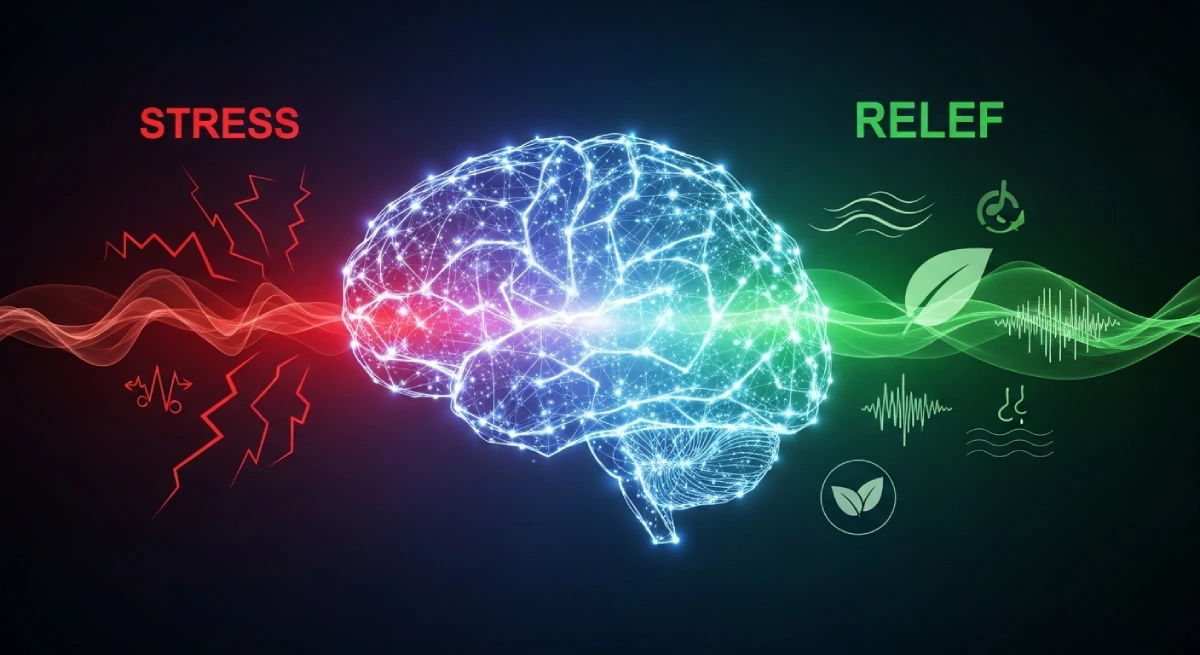
Stress and anxiety have become part of modern life, affecting mental clarity, sleep quality, and overall wellbeing. Many people struggle daily with overwhelming thoughts, fatigue, and emotional imbalance without knowing how to manage it effectively.
The good news is that reducing stress and anxiety is possible with the right combination of quick relief techniques, lifestyle adjustments, and professional support. From breathing exercises to structured routines and medical solutions, there are proven ways to regain control.
In this guide, we will explore practical strategies, long-term habits, and reliable treatment options to help you achieve a calmer, healthier life.
Quick Relief Techniques to Calm Stress Instantly
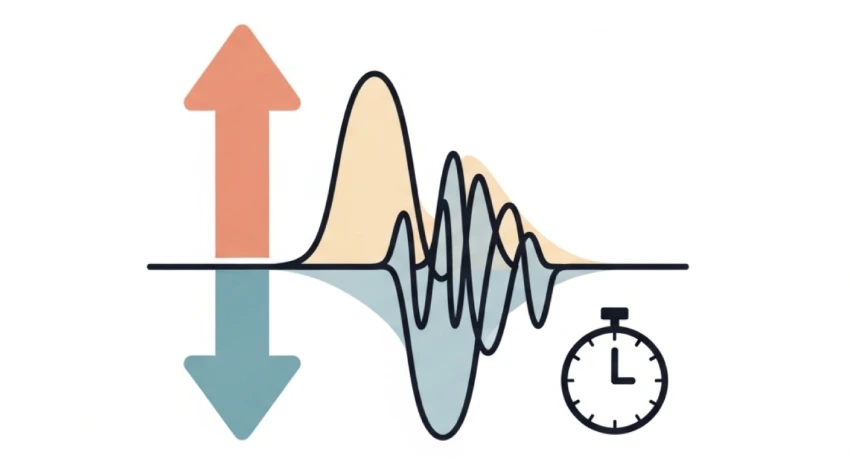
When stress hits suddenly, having immediate coping strategies can make a significant difference. These techniques are designed to calm your nervous system quickly and prevent anxiety from escalating into something overwhelming.
They are simple, accessible, and can be practiced anywhere without special tools or preparation. The key is consistency and awareness of your body’s response.
Using these techniques regularly can also train your brain to handle stress more efficiently over time, making them both short-term solutions and long-term tools.
- Deep breathing exercises
- Grounding techniques
- Muscle relaxation
- Physical movement
Deep Breathing Methods to Slow Your Heart Rate
Deep breathing is one of the most effective ways to instantly calm your mind and body. It works by reducing the activity of the stress response system and activating your body’s natural relaxation response.
When you breathe slowly and deeply, your heart rate begins to decrease. This helps reduce feelings of panic and tension that often accompany anxiety. A common method is diaphragmatic breathing. Inhale slowly through your nose, allowing your stomach to expand, then exhale gently through your mouth.
Practicing this technique for just a few minutes can significantly lower stress levels. Over time, it also improves your ability to manage anxiety in challenging situations.
The 5-4-3-2-1 Sensory Grounding Technique
The 5-4-3-2-1 grounding method is a powerful way to bring your attention back to the present moment. It helps interrupt negative thought patterns that fuel anxiety.
Start by identifying five things you can see around you. Then, focus on four things you can physically touch, followed by three sounds you can hear.
Next, notice two things you can smell and one thing you can taste. This structured process engages your senses and shifts your focus away from anxious thoughts.
Regular use of grounding techniques can improve emotional control. It helps your brain learn how to respond calmly instead of reacting impulsively.
Progressive Muscle Relaxation for Full-Body Relief
Progressive muscle relaxation is a technique that focuses on releasing tension stored in the body. Stress often causes muscles to tighten without you even realizing it.
This method involves tensing each muscle group for a few seconds and then slowly releasing it. Start from your feet and work your way up to your head.
As you practice, you become more aware of physical tension. This awareness allows you to release stress before it builds up. Over time, this technique improves overall relaxation and reduces chronic stress symptoms. It is especially helpful before sleep.
Movement-Based Stress Relief: Walking, Stretching, and Yoga
Physical movement is a natural stress reliever. It helps your body release endorphins, which are chemicals that improve mood and reduce pain. Even light activities like walking or stretching can make a difference. These movements help break the cycle of negative thinking and physical tension.
Yoga combines physical movement with controlled breathing. This makes it especially effective for reducing anxiety and improving mental clarity. Regular physical activity not only reduces stress but also improves overall health. It creates a strong foundation for long-term emotional stability.
Daily Habits That Keep Anxiety Under Control
Developing healthy daily habits is essential for managing stress and anxiety over time. These habits create a stable environment that supports mental and emotional wellbeing.
Consistency plays a crucial role in reducing anxiety triggers. When your daily routine is balanced, your mind feels more secure and less overwhelmed. Small lifestyle changes can lead to significant improvements.
Over time, these habits build resilience and help you handle stress more effectively.
- Maintain a routine
- Prioritize sleep
- Improve nutrition
- Limit screen exposure
Building a Balanced Routine That Works
A well-structured routine provides a sense of control and stability. It reduces uncertainty, which is a major cause of anxiety. Start by organizing your day with achievable goals. Break tasks into smaller steps to make them more manageable.
Avoid overloading your schedule. Allow time for breaks and relaxation to prevent burnout. A consistent routine improves productivity and mental clarity. It also helps maintain a healthy work-life balance.
The Role of Consistent Sleep in Reducing Anxiety
Sleep is one of the most important factors in managing anxiety. Lack of sleep can increase stress hormones and make you more emotionally reactive. Establish a regular sleep schedule by going to bed and waking up at the same time every day. This helps regulate your body’s internal clock.
Create a relaxing bedtime routine. Avoid screens and stimulants before sleep to improve sleep quality. Good sleep supports brain function and emotional balance. It allows you to handle stress more effectively during the day.
Nutrition Tips: Foods That Help (and Harm) Your Mental State
Your diet has a direct impact on your mental health. Nutrient-rich foods support brain function and stabilize mood. Include whole foods such as fruits, vegetables, lean proteins, and whole grains. These provide essential nutrients for mental clarity.
Avoid processed foods and excessive sugar. These can cause energy crashes and increase anxiety symptoms. Staying hydrated is equally important. Proper hydration improves focus and reduces fatigue.
Why Reducing Caffeine Can Improve Calmness
Caffeine is a stimulant that can increase anxiety levels. It speeds up your heart rate and may trigger feelings of nervousness. Reducing caffeine intake helps stabilize your energy levels. It prevents sudden spikes and crashes throughout the day.
Consider switching to herbal teas or low-caffeine alternatives. These promote relaxation without overstimulation. Gradual reduction is recommended to avoid withdrawal symptoms like headaches and fatigue.
Managing Screen Time and Information Overload
Constant exposure to digital content can overwhelm your mind. News and social media often contribute to increased stress levels. Set clear boundaries for screen time. Limit how often you check updates or scroll through social platforms.
Take regular breaks from digital devices. This helps your brain rest and reset. Reducing information overload improves focus and emotional wellbeing. It creates a calmer mental environment.
Mental & Emotional Strategies for Long-Term Stability
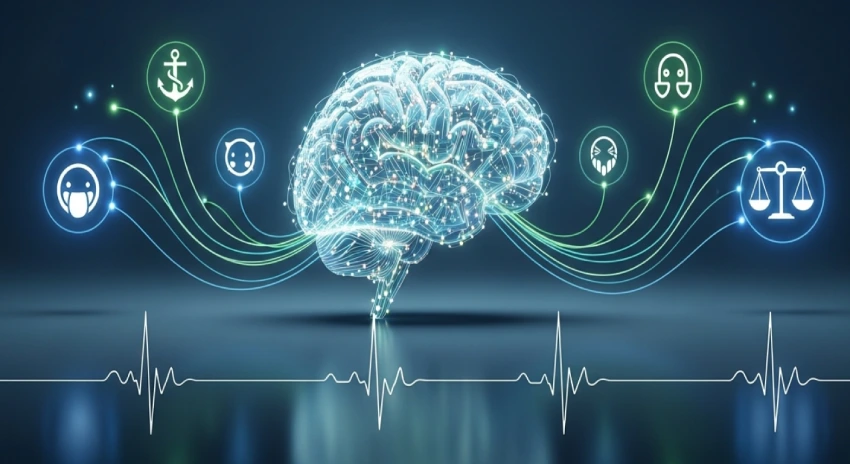
Long-term stress management requires strengthening your emotional resilience. These strategies help you develop healthier ways of thinking and responding to challenges.
They focus on improving self-awareness, emotional control, and mental clarity. Over time, they create a strong foundation for lasting wellbeing. Consistency and patience are essential. These techniques become more effective with regular practice.
- Journaling
- Mindfulness
- Time management
- Social support
Journaling as a Tool for Emotional Release
Journaling is a simple yet powerful way to process emotions. Writing down your thoughts helps clear mental clutter. It allows you to identify patterns in your thinking. This makes it easier to address negative thoughts.
Journaling also provides a safe space to express feelings without judgment. It reduces emotional pressure. Regular journaling improves self-awareness and emotional control.
Mindfulness and Meditation for Inner Calm
Mindfulness focuses on staying present in the moment. It helps reduce overthinking and worry. Meditation enhances focus and emotional balance. Even a few minutes daily can have significant benefits.
Practicing mindfulness trains your brain to respond calmly. It reduces stress reactions over time. Consistency is key to experiencing long-term improvements.
Time Management to Prevent Overwhelm
Poor time management often leads to stress and anxiety. It creates a feeling of being overwhelmed by responsibilities. Prioritize tasks based on importance and urgency. Break large tasks into smaller, manageable steps.
Learn to say no when necessary. This prevents unnecessary stress and workload. Effective time management improves productivity and mental clarity.
The Importance of Social Support Systems
Having a strong support system is essential for mental health. Social connections provide emotional comfort and stability. Talking to trusted individuals helps release stress. It also offers new perspectives on challenges. Spending time with others improves mood and reduces feelings of isolation.
Medical Support & Treatment Options for Severe Anxiety
For individuals experiencing severe anxiety, medical support may be necessary. Professional treatment provides structured and effective solutions. Combining therapy with medication often yields the best results. It addresses both psychological and physical symptoms.
Seeking help early can prevent anxiety from worsening. It ensures proper management and recovery.
- Therapy and counseling
- Medication support
- Professional guidance
Therapy and Counseling Approaches That Work
Therapy is a highly effective way to manage anxiety. Cognitive Behavioral Therapy (CBT) helps change negative thought patterns. Counseling provides a safe space to explore emotions. It improves coping strategies and emotional resilience.
Professional guidance ensures personalized treatment. It addresses the root causes of anxiety. Regular sessions lead to long-term improvements in mental health.
Common Medications for Anxiety and Sleep Disorders
Medications can provide relief for severe anxiety and insomnia. They should always be used under professional supervision. Common treatments include xanax tablets (xanax 1 mg), which are often prescribed for short-term anxiety relief.
Diazepam tablets (diazepam 10 mg) are used to reduce muscle tension and promote relaxation. Understanding the correct diazepam dosage is essential for safety. Clonazepam tablets (clonazepam 2 mg) are effective for panic disorders and long-term anxiety management.
Sleep-related medications like Zopiclone 7.5 mg tablets and Zolpidem 10 mg (Ambien) help improve sleep quality, which is crucial for reducing anxiety. Proper use and correct xanax dosage are important to avoid dependency. Always consult a healthcare professional before use.
Why Choose Simply Sleeping Pills for Trusted Anxiety Support?
Simply Sleeping Pills is recognized as one of the most trusted online pharmacies in the UK. We specialize in providing high-quality solutions for insomnia and anxiety-related conditions.
We source our products from the most prestigious pharmaceutical companies. This ensures authenticity, safety, and effectiveness.
Our team is dedicated to offering expert advice. We guide customers in choosing the right solutions based on their needs. We prioritize customer privacy and convenience. Our platform allows you to access reliable medications discreetly and securely.
Where to Find Our Reliable Anxiety & Stress Relief Solutions?
Finding safe and effective medications online can be difficult. Simply Sleeping Pills provides a trusted and secure platform for purchasing anxiety and sleep treatments.
We offer a wide range of products, including:
- Zopiclone 7.5 mg Tablets
- Xanax Tablets 1 mg Tablets
- Buy Diazepam/Valium 10 mg
- Zolpidem (Ambien) 10 mg
- Clonazepam 2 mg (INDIAN)
Our ordering process is simple and secure. We ensure fast delivery and high-quality standards. Customers can rely on us for consistent service and authentic products.
FAQs
1. Is social anxiety different from general anxiety?
Yes, social anxiety is a specific type of anxiety disorder that mainly involves an intense fear of social situations or interactions. People with social anxiety often worry about being judged, embarrassed, or rejected by others, which can impact confidence and communication.
General anxiety, on the other hand, is broader and can occur in many different situations, such as work stress, health concerns, or daily responsibilities. While both share similar symptoms, social anxiety is more situation-specific, whereas general anxiety tends to be more persistent across various aspects of life.
2. Can anxiety be considered a mental illness?
Yes, anxiety disorders are recognized as mental health conditions when they become chronic and interfere with daily life. Occasional anxiety is normal, but when it becomes excessive, persistent, or uncontrollable, it may be classified as a mental illness.
3. Can anxiety medications cause dizziness?
Yes, certain anxiety medications such as xanax tablets (xanax 1 mg) and diazepam tablets (diazepam 10 mg) may cause side effects like dizziness, drowsiness, or lightheadedness, especially when first starting treatment or adjusting dosage.
4. What should I do during an anxiety attack?
During an anxiety attack, the first step is to focus on calming your body and mind. Deep breathing exercises can help slow your heart rate and reduce the intensity of the symptoms. Grounding techniques like the 5-4-3-2-1 method can also help bring your attention back to the present moment.
5. Is OCD related to anxiety?
Yes, obsessive-compulsive disorder (OCD) is closely related to anxiety and is often categorized under anxiety-related conditions. It involves intrusive, repetitive thoughts (obsessions) that cause distress, along with behaviors (compulsions) performed to reduce that anxiety.
Reclaim Your Calm and Take Charge of Your Wellbeing
Managing stress and anxiety requires a combination of awareness, action, and consistency. By incorporating quick relief techniques, building healthy habits, and seeking professional support when needed, you can regain control over your mental health.
Every small step you take contributes to long-term improvement. Whether it’s improving sleep, practicing mindfulness, or using trusted medical solutions, progress is always possible.
Start today and move toward a calmer, healthier, and more balanced life.