An anxiety attack can feel overwhelming, confusing, and even frightening, especially if you’ve never experienced one before. Many people mistake it for a heart attack or a sudden medical emergency, which only adds to the panic.
The reality is that anxiety attacks are intense waves of fear or distress often triggered by stress, overthinking, or anticipation of future events. These episodes can disrupt daily life and affect both mental and physical health.
Understanding what an anxiety attack is and how it feels is the first step toward managing it effectively. This guide breaks down symptoms, causes, and solutions so you can regain control and feel more confident in handling anxiety.
What Does an Anxiety Attack Feel Like? A Real-World Breakdown
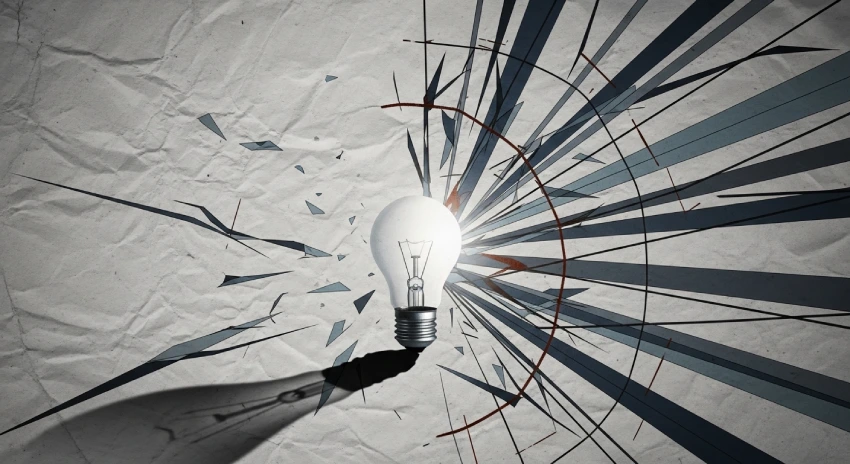
An anxiety attack is not just “feeling nervous.” It is a full-body experience that affects your heart, breathing, thoughts, and behavior all at once. Many describe it as a sudden wave that takes over without warning.
Understanding the sensations can help reduce fear and give you clarity during an episode. Below is a detailed breakdown of how it feels physically and emotionally.
The Physical Sensations That Take Over
An anxiety attack often begins with physical symptoms that feel intense and alarming. Many people report a racing or pounding heart that makes them think something is seriously wrong.
Chest tightness is also common, which can mimic heart-related issues. This sensation alone can increase fear and worsen the episode. Other symptoms include sweating, trembling, dizziness, and nausea.
These reactions are your body’s “fight or flight” response being triggered unnecessarily. You may also feel numbness or tingling in your hands or body. While uncomfortable, these symptoms are not dangerous but can feel overwhelming.
The Emotional Storm Inside Your Mind
The emotional side of an anxiety attack can be just as intense as the physical symptoms. Many people feel a sudden sense of doom or fear without a clear reason.
There is often a strong fear of losing control or even dying. These thoughts can escalate quickly and make the situation feel worse. Some individuals experience dissociation, where they feel disconnected from reality.
It may feel like you are observing yourself from outside your body. This emotional overload can make it hard to think clearly or respond logically. Understanding this helps you recognize it as anxiety rather than danger.
Breathing Struggles and the Sense of Suffocation
Breathing changes significantly during an anxiety attack. Many people experience shortness of breath or rapid breathing, known as hyperventilation. This can create a choking sensation, making you feel like you can’t get enough air. It often intensifies panic and fear.
Hyperventilation can also cause dizziness and lightheadedness. These symptoms are linked to oxygen imbalance in the body. Practicing slow, controlled breathing can help stabilize your system. It is one of the most effective ways to regain control during an attack.
Key Symptoms of an Anxiety Attack You Should Never Ignore
Recognizing the symptoms early can help you manage an anxiety attack before it escalates. These symptoms can affect your body, mind, and behavior in different ways. Knowing what to look for helps you respond calmly instead of reacting with fear.
Physical Warning Signs
Physical symptoms are often the first noticeable signs. They can appear suddenly or build gradually over time. Common physical indicators include a rapid heartbeat, sweating, trembling, and chest discomfort. These are linked to your body’s stress response.
You may also feel dizzy, nauseous, or weak. These sensations can make standing or focusing difficult. Shortness of breath is another key symptom. It often leads to panic if misunderstood.
Mental & Emotional Indicators
Emotionally, anxiety attacks bring intense fear or dread. You may feel like something terrible is about to happen. Many people report a fear of losing control or going crazy. These thoughts can feel very real in the moment.
Dissociation is also common, where your surroundings feel unreal. This can make you feel disconnected or confused. These emotional responses are powerful but temporary. Understanding them reduces their impact.
Behavioral Reactions (Avoidance & Escape Urges)
Behavioral changes often occur during or after an anxiety attack. Many people feel a strong urge to escape the situation. Avoidance becomes a coping mechanism. You may start avoiding places or situations that trigger anxiety.
This can affect daily life, relationships, and work performance. Over time, it may lead to more severe anxiety patterns. Recognizing these behaviors early helps prevent long-term impact. Seeking support is key.
Why Understanding Anxiety Attacks Matters More Than You Think?
Understanding anxiety attacks is essential for managing them effectively. Awareness reduces fear and helps you respond with control instead of panic. It also prevents misinterpretation of symptoms, which can lead to unnecessary stress.
- Preventing misdiagnosis (e.g., heart attack confusion)
- Reducing fear through awareness
- Improving early intervention and management
Understanding the difference between anxiety and medical emergencies can save unnecessary panic. Chest pain and rapid heartbeat often mimic serious conditions. Awareness allows you to recognize patterns and triggers. This helps you prepare and respond better in the future.
Early intervention can prevent anxiety from becoming chronic. The sooner you address it, the easier it is to manage. Knowledge empowers you to take control rather than feel helpless.
Medical Support Options: Understanding Treatment Approaches
Treatment options for anxiety attacks vary depending on severity and frequency. A combination of therapy, lifestyle changes, and medication is often effective. It’s important to approach treatment safely and under professional guidance.
Anti-Anxiety Medications and Their Role
Medications can help regulate the brain’s response to stress and anxiety. They are often prescribed for moderate to severe cases. These medications work by calming the nervous system. They can reduce symptoms like panic, racing thoughts, and restlessness.
However, they are not a permanent solution. They should be used alongside therapy and lifestyle adjustments. Always consult a healthcare professional before starting any medication.
Commonly Used Medications
Several medications are commonly prescribed for anxiety and related conditions.
- Xanax tablets (xanax 1 mg, xanax dosage)
- Diazepam tablets (diazepam 10 mg, diazepam dosage)
- Clonazepam tablets (clonazepam 2 mg)
- Zolpidem 10 mg for sleep disturbances
- Zopiclone 7.5 mg tablets for insomnia support
These medications can help manage symptoms when used responsibly. They are typically recommended for short-term or controlled use.
Important Safety Considerations
While effective, these medications carry risks if misused. Dependency and tolerance can develop over time. It’s crucial to follow prescribed dosages strictly. Never increase dosage without medical advice.
Avoid mixing medications without professional guidance. This can lead to serious health complications. Safe use ensures better outcomes and minimizes risks.
Why Choosing Our Support System Can Change Everything?
Finding the right support system is crucial when dealing with anxiety. Not all providers offer the same level of care, quality, and reliability. Choosing a trusted platform ensures safety, authenticity, and peace of mind.
At Simply Sleeping Pills, we focus on delivering high-quality solutions for anxiety and insomnia. We work with prestigious pharmaceutical companies to ensure reliability.
Our expertise allows us to guide you toward the right solutions. We prioritize both effectiveness and safety. We also provide expert advice tailored to your needs. This ensures you’re not navigating anxiety alone. Trust and quality make a significant difference in your recovery journey.
Shop Trusted Anxiety Solutions!
Where to Find Our Reliable Help and Support for Anxiety
Access to reliable support is essential when dealing with anxiety attacks. Many people struggle to find trustworthy sources for treatment and medication. Having a dependable provider makes the process easier and safer.
Simply Sleeping Pills is a most trusted online pharmacy in the UK. We specialize in insomnia and anxiety-related solutions.
You can access medications like:
- Xanax Tablets 1 mg Tablets
- Buy Diazepam/Valium 10 mg
- Zolpidem (Ambien) 10 mg
- Zopiclone 7.5 mg Tablets
- Clonazepam 2 mg (INDIAN)
We ensure secure delivery and authentic products. Our platform is designed for convenience and reliability.
Areas We Cover: Expanding Access to Trusted Anxiety Solutions
Accessibility plays a major role in effective treatment. Many people face challenges in finding quality medications locally. Our services are designed to bridge that gap. We provide coverage across the UK with fast and reliable delivery options. This ensures you get what you need without delays.
Our online platform allows easy ordering from anywhere. This makes treatment more accessible and stress-free. We aim to bring trusted solutions closer to you. No matter where you are, help is within reach.
FAQs
1. What is the difference between anxiety attacks and panic attacks?
Anxiety attacks build gradually due to stress, while panic attacks occur suddenly without warning. Both share similar symptoms but differ in onset and triggers.
2. How long do sleeping pills last?
Medications like zolpidem 10 mg or zopiclone 7.5 mg tablets typically last 6–8 hours, depending on dosage and individual response.
3. What is the best anxiety treatment?
Treatment usually includes therapy, lifestyle changes, and medications like xanax tablets or diazepam tablets when prescribed.
4. How can I control anxiety naturally?
Breathing exercises, grounding techniques, and regular physical activity can help manage anxiety effectively.
5. Can anxiety cause chest pain?
Yes, anxiety can cause chest tightness and pain, which often mimics heart-related issues but is usually not dangerous.
Regain Control and Understand Your Anxiety
Anxiety attacks can feel overwhelming, but understanding them changes everything. Once you recognize the symptoms and triggers, they become less frightening and more manageable.
With the right knowledge, support, and treatment options, you can take control of your mental health. Whether through therapy, lifestyle changes, or safe medical support, relief is possible.
You are not alone in this journey. The right guidance and trusted solutions can help you move forward with confidence and calm.