Feeling dizzy all day can be unsettling, especially when there’s no obvious physical cause. Many people don’t realize that anxiety alone can trigger persistent dizziness, creating confusion and fear. This often leads to a cycle where dizziness increases anxiety, and anxiety worsens dizziness.
The good news is that this condition is usually manageable with the right understanding and support. By learning how anxiety affects your body and exploring effective treatments, including lifestyle changes and medical options, you can regain control and improve your quality of life.
Hidden Connection Between Anxiety and Persistent Dizziness
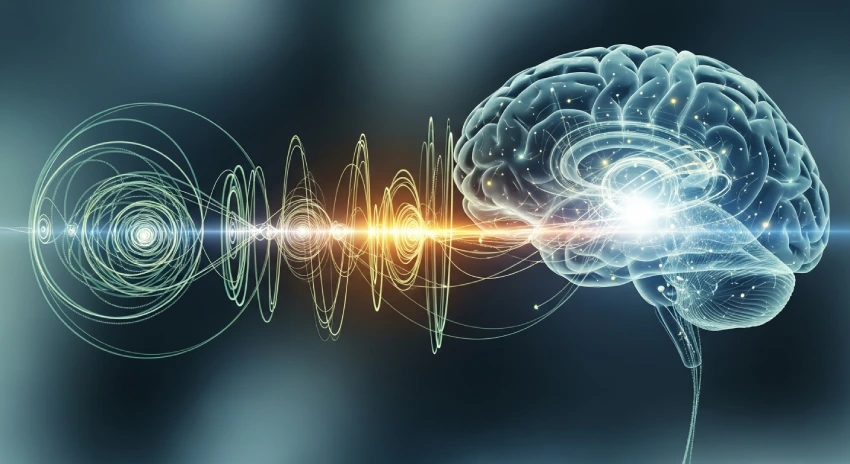
Anxiety doesn’t just affect your thoughts, it has a powerful impact on your body. Persistent dizziness is one of the most common yet misunderstood physical symptoms of anxiety.
- Anxiety can trigger lightheadedness, vertigo, and imbalance
- Symptoms may last all day in chronic cases
- Often linked with stress and overthinking patterns
Anxiety activates your nervous system, keeping your body in a heightened state of alert. This constant activation disrupts normal balance and blood flow, leading to ongoing dizziness.
Many people describe this sensation as floating, unsteady, or disconnected. It can feel like you might faint, even though anxiety rarely causes actual fainting.
Over time, the fear of dizziness itself can make symptoms worse. This creates a loop where both conditions reinforce each other throughout the day.
What Happens in Your Body During Anxiety Episodes?
Understanding the physical processes behind anxiety can help reduce fear. Your body reacts automatically, even if there’s no real danger present.
- Hormonal changes affect circulation
- Breathing patterns become irregular
- Nervous system becomes overactive
The Fight-or-Flight Mechanism Explained
When anxiety strikes, your body enters “fight-or-flight” mode. This response releases stress hormones like adrenaline and cortisol. These hormones increase your heart rate and redirect blood flow.
While useful in emergencies, prolonged activation causes imbalance and dizziness. Your body becomes overly alert, even in safe environments. This constant stimulation can make you feel unsteady or disoriented.
How Hyperventilation Triggers Lightheadedness?
Hyperventilation is a key factor in anxiety-related dizziness. It involves rapid, shallow breathing that disrupts oxygen balance. This lowers carbon dioxide levels in your blood.
As a result, blood vessels constrict, reducing oxygen flow to the brain. The outcome is a feeling of lightheadedness or dizziness. Slowing your breathing can quickly help restore balance.
Key Reasons Anxiety Can Make You Dizzy All Day
There are multiple biological and neurological reasons why anxiety leads to persistent dizziness. Understanding these factors can help you manage symptoms better.
- Breathing imbalance
- Hormonal fluctuations
- Muscle tension
- Nervous system disruption
Rapid Breathing and Carbon Dioxide Imbalance
Fast breathing reduces carbon dioxide levels in your blood. This creates a chemical imbalance that affects brain function. When your brain doesn’t receive adequate oxygen, dizziness occurs.
This is why controlled breathing is essential for relief. Practicing slow, deep breathing can stabilize your system. It helps reverse the effects of hyperventilation.
Hormonal Surges and Blood Pressure Fluctuations
Adrenaline spikes can cause sudden changes in blood pressure. These fluctuations make you feel lightheaded or off-balance. Your heart works harder during anxiety episodes. This can create sensations of dizziness or weakness.
Over time, repeated hormonal surges can make symptoms more persistent. Managing stress is key to reducing this impact.
Muscle Tension and Its Impact on Balance
Anxiety often causes tightness in the neck and shoulders. This tension can affect your inner ear and balance system. The vestibular system relies on proper muscle function.
When muscles are tense, signals to the brain become distorted. This leads to feelings of imbalance or spinning. Relaxation techniques can help reduce muscle tension.
Vagus Nerve Overstimulation
The vagus nerve plays a role in regulating blood pressure. Overstimulation can cause sudden drops in pressure. This may result in dizziness or a faint feeling. However, actual fainting is rare in anxiety cases. Managing stress helps regulate vagus nerve activity. This can significantly reduce symptoms.
Common Anxiety Disorders Linked to Chronic Dizziness
Certain anxiety disorders are more likely to cause ongoing dizziness. Recognizing these conditions is important for proper treatment.
- Generalized Anxiety Disorder (GAD)
- Panic attacks
- Agoraphobia
Generalized Anxiety Disorder (GAD)
GAD involves constant worry and tension. This keeps the body in a prolonged state of stress. As a result, symptoms like dizziness can persist all day. The body never fully relaxes. Treatment often includes therapy and medication. Addressing the root cause is essential.
Panic Attacks
Panic attacks cause sudden and intense fear. They often include dizziness, rapid heartbeat, and shortness of breath. These episodes can feel overwhelming and frightening. However, they are not life-threatening. Learning coping techniques can help manage attacks. Medication may also be recommended.
Agoraphobia
Agoraphobia involves fear of certain places or situations. This can increase anxiety and physical symptoms. People with agoraphobia often experience dizziness in crowded or open spaces. Avoidance can worsen the condition. Gradual exposure and therapy are effective treatments. Support is crucial for recovery.
Medical Treatments That May Help Control Symptoms

Medication can play a role in managing anxiety and dizziness. However, it should always be used under professional guidance.
- Anti-anxiety medications
- Sleep support treatments
- Professional supervision
Anti-Anxiety Medications
Medications like xanax tablets (xanax 1 mg) and clonazepam tablets (clonazepam 2 mg) are commonly prescribed. These drugs help calm the nervous system. They reduce anxiety and associated dizziness.
Diazepam tablets (diazepam 10 mg) are also effective for short-term relief. Proper xanax dosage and diazepam dosage are essential for safety.
Sleep and Relaxation Support Medications
Sleep plays a major role in anxiety management. Poor sleep can worsen dizziness symptoms. Options like Zopiclone 7.5 mg Tablets and Zolpidem (Ambien) 10 mg help improve sleep quality. Better sleep leads to better nervous system regulation. This reduces overall anxiety levels.
Importance of Professional Guidance
Self-medication can be risky and ineffective. A healthcare provider can determine the right treatment plan. They consider your symptoms, history, and needs. This ensures safe and effective use of medications. Therapy, such as CBT, is often combined with medication. This provides long-term results.
Why Trust Our Expertise Support for Anxiety Relief Solutions?
Choosing the right provider is crucial for safe and effective treatment. At Simply Sleeping Pills, we prioritize your health and well-being.
- Trusted online pharmacy in the UK
- High-quality medications
- Expert guidance and support
We specialize in insomnia and anxiety-related conditions. Our products come from the most prestigious pharmaceutical companies.
We offer reliable options like:
- Xanax Tablets 1 mg Tablets
- Buy Diazepam/Valium 10 mg
- Clonazepam 2 mg (INDIAN)
- Zopiclone 7.5 mg Tablets
- Zolpidem (Ambien) 10 mg
Our commitment is to provide safe, effective, and discreet services. Your comfort and trust are our top priorities.
Where You Can Access Reliable Anxiety Treatment Options?
Accessing treatment has never been easier. Our online platform ensures convenience and privacy for all customers.
- Easy online ordering process
- Secure payment options
- Fast and discreet delivery
You can browse medications from the comfort of your home. Detailed product descriptions help you make informed decisions. Our support team is always available to assist you. We ensure a smooth and reliable experience from start to finish.
FAQs
Can panic attacks cause dizziness all day?
Yes, panic attacks can lead to lingering dizziness. The body remains in a heightened state even after the attack ends. This can cause symptoms to persist throughout the day.
How long do sleeping pills last?
Sleeping pills like zopiclone or zolpidem typically last 6–8 hours. Their effects depend on dosage and individual metabolism. Always follow medical advice for safe use.
What is the best anxiety treatment?
Effective treatment includes therapy, lifestyle changes, and medication. CBT is highly recommended. Medications like xanax or diazepam may be prescribed when necessary.
How can I control anxiety naturally?
Breathing exercises, grounding techniques, and regular sleep help control anxiety. Reducing caffeine and practicing mindfulness are also beneficial.
Can anxiety cause chest pain and dizziness together?
Yes, anxiety can cause both symptoms simultaneously. It often mimics serious conditions but is usually harmless. However, medical evaluation is important if symptoms are severe.
Breaking the Anxiety-Dizziness Cycle for Good
Living with constant dizziness can feel overwhelming, especially when anxiety is the root cause. The connection between your mind and body is powerful, but understanding it is the first step toward recovery.
With the right strategies, breathing techniques, therapy, and appropriate medication, you can break the cycle. Support from trusted providers like Simply Sleeping Pills ensures you receive safe and effective solutions.
Take control today, and move toward a calmer, steadier, and more balanced life.