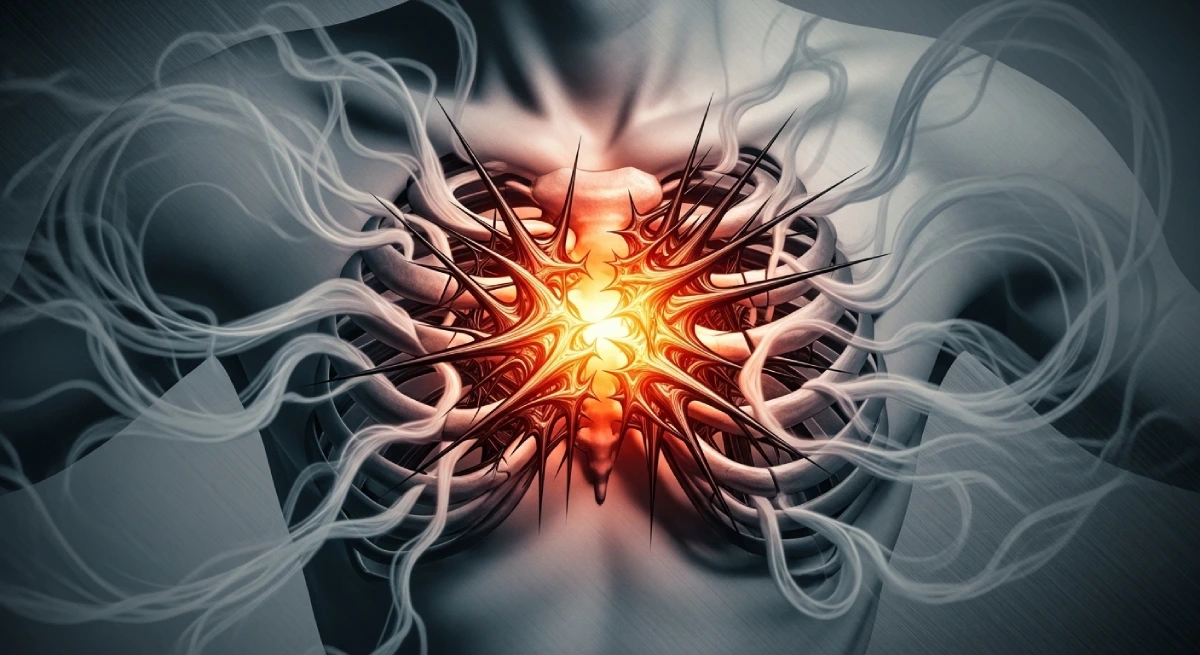
Chest pain is one of the most alarming symptoms anyone can experience. For many people, it immediately raises concerns about heart problems, leading to fear and panic. However, not all chest pain is linked to heart disease, anxiety is a common yet often overlooked cause.
When anxiety strikes, it can trigger intense physical reactions that feel very real and sometimes overwhelming. Many individuals mistake these symptoms for serious medical emergencies, which can further increase stress and discomfort. This creates a cycle where anxiety feeds into physical pain and vice versa.
The good news is that understanding how anxiety causes chest pain can help you manage it effectively. In this guide, we will explore the symptoms, causes, and relief options so you can take control of your health with confidence.
How Anxiety Triggers Chest Pain in the Body?
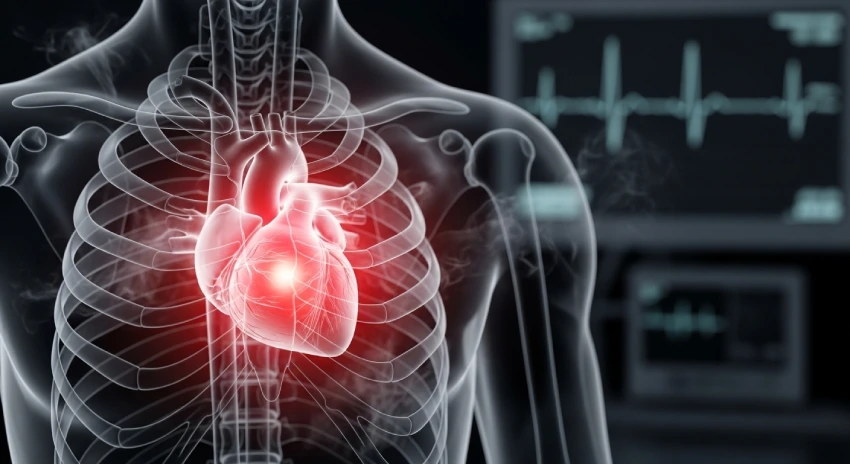
Anxiety affects both the mind and body, often producing physical symptoms that mimic serious health conditions. Chest pain caused by anxiety is one of the most common manifestations and is closely linked to the body’s stress response system.
- Activates the nervous system rapidly
- Increases heart rate and blood pressure
- Causes muscle tightening and breathing changes
The Fight-or-Flight Response Explained
When you experience anxiety, your body activates the “fight-or-flight” response. This is a natural survival mechanism designed to protect you from danger. During this process, hormones like adrenaline and cortisol are released into the bloodstream.
These hormones prepare your body for action by increasing your heart rate and tightening your muscles. While helpful in real danger, this response can become overwhelming when triggered by stress or worry. As a result, you may feel pressure or pain in your chest.
Additionally, this response can peak within 10–20 minutes, similar to a panic attack. The intensity of these symptoms often makes individuals believe they are experiencing a heart-related issue. This misunderstanding can amplify anxiety further.
Effects on Breathing and Chest Muscles
Anxiety often leads to rapid and shallow breathing, also known as hyperventilation. This disrupts the balance of oxygen and carbon dioxide in your body, which can cause dizziness and chest discomfort.
When you breathe quickly, your chest muscles become overworked. This can lead to tightness or a sharp, stabbing sensation in the chest area. Many people describe it as a feeling of pressure or heaviness.
Muscle tension also plays a significant role. Anxiety causes your muscles to tighten involuntarily, especially around the chest and shoulders. This tension can create persistent discomfort that feels alarming.
Common Symptoms of Anxiety-Related Chest Pain
Anxiety-related chest pain can present in various ways, making it difficult to distinguish from other medical conditions. Recognizing these symptoms is key to understanding whether anxiety might be the cause.
- Tightness or pressure in the chest
- Sharp stabbing pain or dull aches
- Heart palpitations and rapid heartbeat
Physical Sensations You May Experience
One of the most common symptoms is a tight or squeezing sensation in the chest. This feeling can range from mild discomfort to intense pain, depending on the severity of anxiety.
Some individuals experience sharp, stabbing pains that come and go quickly. Others may feel a dull ache that lingers for longer periods. These sensations can shift in location, adding to the confusion.
Another common symptom is a pounding or racing heart. This can make you feel like something is seriously wrong, even when it is anxiety-driven. In some cases, the pain may worsen when you think about it. This is a key indicator that anxiety may be contributing to the discomfort.
Associated Symptoms That Occur Together
Chest pain caused by anxiety rarely occurs alone. It is often accompanied by other symptoms that can help identify the underlying cause. These may include shortness of breath, sweating, and dizziness. You might also feel lightheaded or experience tingling in your hands or face.
Emotional symptoms such as fear, panic, or a sense of impending doom are also common. These feelings can intensify the physical sensations. It’s important to note that anxiety-related chest pain can last for an hour or more. However, it typically subsides once the anxiety decreases.
Main Causes Behind Anxiety-Induced Chest Pain
Understanding the root causes of anxiety chest pain can help you manage and prevent it. Several physical and psychological factors contribute to this condition.
- Chronic stress and muscle tension
- Hyperventilation and breathing irregularities
- Digestive issues such as acid reflux
Muscle Tension from Chronic Stress
Chronic stress causes your muscles to remain in a constant state of tension. This is especially true for the chest, neck, and shoulders. Over time, this tension can lead to soreness and pain. The discomfort may feel similar to a muscle strain or tightness in the chest.
This type of pain often worsens during periods of high stress. Relaxation techniques can help reduce muscle tension and alleviate symptoms. Regular stretching and exercise can also improve muscle flexibility and reduce discomfort.
Hyperventilation and Oxygen Imbalance
Hyperventilation is a common response to anxiety. It occurs when you breathe too quickly, causing an imbalance in oxygen and carbon dioxide levels. This imbalance can lead to chest tightness, dizziness, and a feeling of suffocation. It can also make your heart race, increasing anxiety further.
Learning controlled breathing techniques can help restore balance. Slow, deep breaths can significantly reduce symptoms. Practicing these techniques regularly can prevent hyperventilation during stressful situations.
Digestive Triggers Like Acid Reflux
Anxiety can also affect your digestive system. It may increase acid production, leading to acid reflux or heartburn. This can cause a burning sensation in the chest that is often mistaken for heart-related pain. The discomfort may worsen after eating or when lying down.
Managing your diet and avoiding trigger foods can help reduce symptoms. Stress management is also crucial in preventing digestive issues. If symptoms persist, consulting a healthcare professional is recommended.
Medications That May Help Manage Anxiety Symptoms
Medications can play a supportive role in managing anxiety and its physical symptoms. However, they should always be used under medical supervision to ensure safety and effectiveness.
- Anti-anxiety medications for calming the mind
- Nerve support medications for long-term relief
- Pain relief options for severe discomfort
Anti-Anxiety Medications
Anti-anxiety medications such as Xanax 1 mg tablets and diazepam 10 mg tablets are commonly prescribed for short-term relief. These medications help calm the nervous system and reduce panic symptoms.
They work by enhancing the effects of certain neurotransmitters in the brain. This leads to a feeling of relaxation and reduced anxiety.
However, these medications should be used cautiously. Long-term use can lead to dependency if not properly managed. Always follow your doctor’s guidance when using medications like xanax tablets or diazepam tablets.
Nerve Pain & Anxiety Support Options
Medications like pregabalin 300 mg capsules are often used to manage nerve-related symptoms and anxiety. They help stabilize nerve signals and reduce discomfort. Pregabalin can be beneficial for individuals experiencing chronic anxiety symptoms. It may also help with sleep disturbances.
Regular use under medical supervision can improve overall quality of life. However, dosage should always be carefully monitored. Consult a healthcare provider before starting pregabalin capsules.
Pain Relief Medications (Under Medical Guidance)
Pain relief medications such as tramadol 50 mg tablets or codeine phosphate 30 mg may be prescribed in certain cases. These are typically used for short-term pain management.
They can help reduce severe discomfort associated with anxiety-induced chest pain. However, they are not a primary treatment for anxiety itself.
These medications carry a risk of dependency and should only be used when necessary. Always follow medical advice when using tramadol 50 mg capsules or codeine phosphate.
Important Safety Considerations
Medication should never be the only approach to managing anxiety. Combining medication with therapy and lifestyle changes is more effective. Avoid self-medication or purchasing drugs without proper guidance. This can lead to serious health risks.
Always consult a qualified healthcare professional before starting any medication. Proper diagnosis is essential for safe treatment. Your health and safety should always come first.
Trusted Care You Can Rely On for Anxiety Support
Finding reliable support is essential when dealing with anxiety and its physical symptoms. At Simply Sleeping Pills, we are committed to providing safe and effective solutions tailored to your needs.
We are a trusted online pharmacy in the UK, specializing in insomnia and anxiety-related conditions. Our focus is on delivering high-quality medications from reputable pharmaceutical companies.
Our team ensures that every product meets strict quality standards. We aim to provide our clients with the best advice and support for their health journey. With a patient-centered approach, we prioritize your well-being and confidentiality. You can trust us for reliable and professional care.
Accessing Reliable Help and Treatment Near You
Getting the right treatment should be simple and convenient. At Simply Sleeping Pills, we make it easy for you to access the medications you need. We offer a wide range of products, including Tramadol 50 mg Online, Pregabalin 300mg Tablets, and options to Buy Diazepam/Valium 10 mg.
Our platform is designed for ease of use, ensuring a smooth and secure experience. You can order medications like Xanax 1 mg tablets with confidence. We also provide expert guidance to help you make informed decisions. Our goal is to support your journey toward better mental and physical health.
Shop Trusted Anxiety Relief Now!
FAQs
Can anxiety cause insomnia or sleep problems?
Yes, anxiety often leads to insomnia. Racing thoughts and stress can make it difficult to fall asleep or stay asleep. Managing anxiety can significantly improve sleep quality.
How can I control anxiety effectively?
Controlling anxiety involves a combination of techniques such as deep breathing, mindfulness, and regular exercise. In some cases, medications may also be helpful under medical guidance.
What are the best anxiety treatment options?
Treatment options include therapy, lifestyle changes, and medication. Cognitive Behavioral Therapy (CBT) is particularly effective for managing anxiety disorders.
Are sleeping pills safe for anxiety-related insomnia?
Sleeping pills can be helpful for short-term use. However, they should only be taken under medical supervision to avoid dependency and side effects.
What are natural ways to reduce anxiety?
Natural methods include meditation, yoga, and maintaining a healthy lifestyle. Reducing caffeine intake and getting enough sleep can also help manage anxiety.
Taking Control of Anxiety Chest Pain
Chest pain caused by anxiety can feel frightening, but understanding its root causes can make a significant difference. By recognizing the symptoms and triggers, you can take steps to manage and reduce discomfort effectively.
Anxiety-related chest pain is common and often harmless, but it should never be ignored without proper evaluation. Seeking professional advice ensures that serious conditions are ruled out.
With the right combination of lifestyle changes, medical support, and stress management techniques, you can regain control of your health. Remember, your body and mind are connected, and caring for both is the key to lasting well-being.