
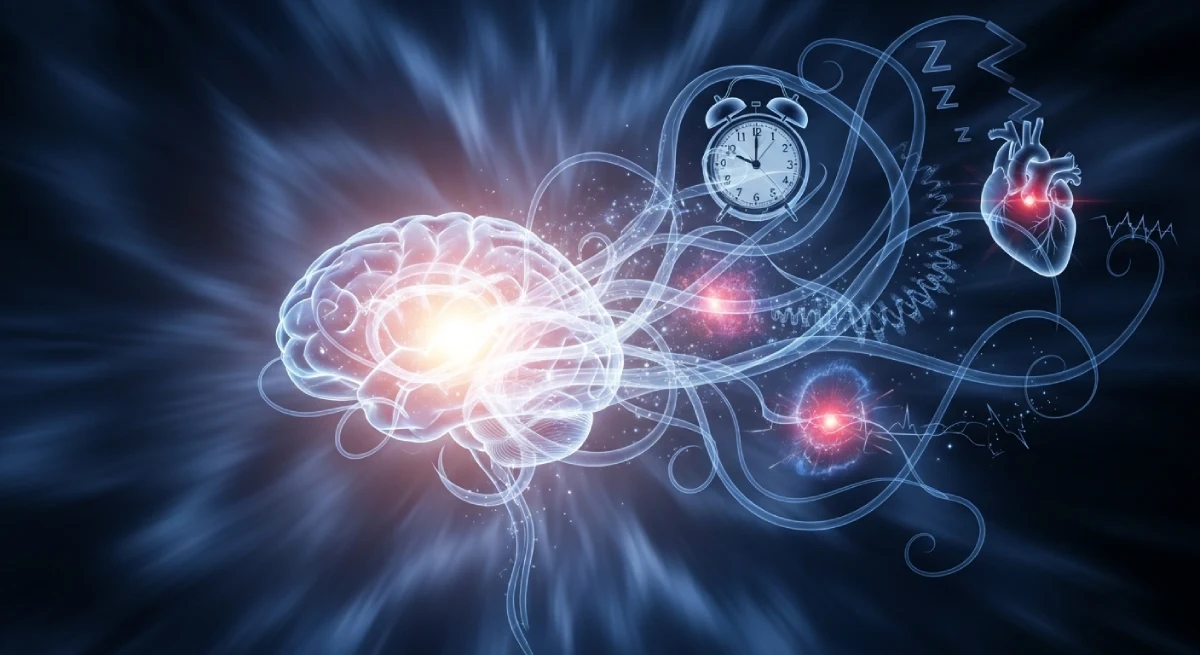
Waking up suddenly in the middle of the night with a racing heart, sweating, and overwhelming fear can be terrifying. Many people experience this without understanding why, leading to confusion and even fear of going to sleep again.
Nocturnal panic attacks are more common than most people think, yet they often go undiagnosed or misunderstood. Unlike nightmares, these episodes occur without a clear trigger and can feel intensely real and physical.
The good news is that understanding what causes panic attacks during sleep can help you regain control. With the right knowledge, treatment, and lifestyle changes, you can reduce these episodes and enjoy restful, uninterrupted sleep again.
Why Panic Attacks Happen During Sleep?
Nocturnal panic attacks don’t just appear randomly—they are usually triggered by a mix of psychological, biological, and environmental factors. These causes often interact, making nighttime anxiety feel sudden and overwhelming without warning.
- Hidden mental health conditions
- Sleep-related breathing issues
- Stress buildup throughout the day
- Substance use or withdrawal
- Genetic predisposition
- Sleep stage transitions
Anxiety and Mood Disorders Beneath the Surface
Anxiety disorders such as panic disorder, Generalized Anxiety Disorder (GAD), and PTSD are among the leading causes of nocturnal panic attacks. These conditions keep your nervous system in a heightened state of alertness.
During the day, distractions may suppress anxious thoughts. However, at night, when the body relaxes, suppressed anxiety can surface more intensely.
This leads to sudden awakenings with fear, even without a visible trigger. The brain essentially misfires a “danger signal” while you are asleep. Over time, this can create a cycle where fear of panic attacks leads to sleep anxiety, making the condition worse.
Sleep Disorders That Trigger Panic-Like Symptoms
Physical sleep disorders can mimic or trigger panic attacks during sleep. One of the most common is obstructive sleep apnea, where breathing repeatedly stops and starts.
These breathing interruptions can cause sudden awakenings, gasping for air, and increased heart rate, symptoms very similar to panic attacks.
Acid reflux is another condition that can trigger discomfort and chest tightness at night, often mistaken for anxiety. That’s why medical evaluation is essential to rule out underlying physical causes before assuming it’s purely psychological.
The Overactive Brain That Never Switches Off
For many individuals, the brain doesn’t fully relax during sleep. Instead, it continues processing stress, worries, and unresolved thoughts. This overactivity can lead to a sudden spike in adrenaline during sleep, triggering panic symptoms.
People who experience racing thoughts during the day are more likely to carry this mental activity into the night. As a result, the body reacts as if there’s a threat, even when there isn’t one.
Substance Use and Withdrawal Effects
Substances like caffeine, alcohol, and nicotine directly impact the nervous system and sleep quality. While alcohol may initially make you feel sleepy, it disrupts deeper sleep stages, increasing the likelihood of nighttime awakenings.
Withdrawal from medications or substances can also trigger anxiety and panic symptoms during sleep. This is particularly common when reducing or stopping certain sedatives or anti-anxiety medications.
Genetic and Biological Influences
Some individuals are more prone to panic attacks due to genetic factors. If panic disorders run in your family, your risk may be higher. Brain chemistry also plays a role, especially imbalances in neurotransmitters like serotonin and GABA.
These chemicals regulate mood and anxiety, and disruptions can increase sensitivity to stress. This heightened sensitivity makes it easier for the body to trigger panic responses, even during sleep.
Sleep Stage Transitions and Sudden Awakening
Nocturnal panic attacks often occur during transitions between sleep stages, particularly when moving into deeper sleep. During these transitions, the body undergoes physiological changes such as slower breathing and heart rate.
Sometimes, the brain misinterprets these changes as a threat, triggering a panic response. This can lead to sudden awakenings, confusion, and intense fear, often without any clear reason.
How Nocturnal Panic Attacks Feel (Real Experience Breakdown)
Experiencing a panic attack during sleep can feel overwhelming and disorienting. Many people wake up suddenly with a sense of impending doom, unsure of what is happening or why.
The physical symptoms can be intense and may mimic serious medical conditions, adding to the fear and confusion.
- Rapid heartbeat and chest tightness
- Sweating and trembling
- Shortness of breath
- Feeling detached or disoriented
These symptoms often peak within minutes but can leave lingering anxiety afterward. Many individuals report feeling afraid to fall back asleep, fearing another episode.
Medications That May Be Prescribed for Sleep-Related Panic
Medications can play an important role in managing nocturnal panic attacks, especially when symptoms are severe or persistent. However, they should always be used under professional guidance to avoid dependency or misuse.
Several medications are commonly prescribed to regulate sleep and reduce anxiety symptoms.
-
- Zopiclone 7.5 mg Tablets – helps improve sleep quality and regulate cycles
- Zolpidem (Ambien) 10 mg (zolpidem 10 mg) – commonly used for short-term insomnia
- Xanax Tablets 1 mg Tablets (xanax 1 mg) – fast-acting relief for acute anxiety
- Buy Diazepam/Valium 10 mg (diazepam 10 mg) – provides calming and muscle-relaxing effects
- Clonazepam 2 mg (INDIAN) (clonazepam 2 mg) – longer-lasting anxiety control
These medications work by calming the nervous system and reducing excessive brain activity.
However, proper zopiclone dosage and other medication levels must be carefully monitored. Long-term reliance is not recommended, and combining medication with therapy yields better results.
How to Manage and Reduce Nighttime Panic Attacks?
Managing nocturnal panic attacks requires a combination of lifestyle changes, mental health support, and healthy sleep habits. Consistency is key when it comes to reducing frequency and intensity.
- Professional guidance and therapy
- Consistent sleep hygiene
- Avoiding stimulants
- Stress reduction techniques
Professional Treatment That Works
Cognitive Behavioral Therapy (CBT) is one of the most effective treatments for panic disorders. It helps identify and change negative thought patterns. In some cases, medications such as antidepressants or beta-blockers may be prescribed.
A healthcare professional can tailor treatment based on your specific symptoms and triggers. Early intervention often leads to better long-term outcomes.
Build a Sleep Routine That Calms the Mind
Maintaining a consistent sleep schedule helps regulate your body’s internal clock. Creating a calm and comfortable bedroom environment can reduce nighttime anxiety.
Avoid screens and stimulating activities before bed to promote relaxation. Simple habits like reading or listening to calming music can make a significant difference.
Reduce Stimulants Before Bedtime
Caffeine, alcohol, and nicotine can interfere with sleep and increase anxiety levels. These substances stimulate the nervous system and disrupt sleep cycles. Avoid consuming them, especially in the evening hours. This simple adjustment can significantly improve sleep quality.
Stress Management During the Day
Managing stress during the day reduces the likelihood of nighttime panic attacks. Practices like mindfulness, yoga, and deep breathing can calm the nervous system. Regular exercise also helps regulate mood and reduce anxiety. By lowering overall stress levels, you create a more relaxed state for sleep.
Why Choose Us for Sleep & Anxiety Support?
At Simply Sleeping Pills, we understand how frustrating and exhausting nocturnal panic attacks can be. That’s why we provide trusted solutions designed to help you regain control over your sleep and mental well-being.
- UK’s most trusted online pharmacy
- Specialists in insomnia and anxiety care
- High-quality medicines from reputable pharmaceutical companies
- Expert advice tailored to your needs
Sleep Peacefully Starting Tonight!
“Where Better Sleep Begins with Trusted Expertise”
We pride ourselves on offering only the best quality medications sourced from prestigious pharmaceutical companies. Our team ensures that every product meets strict safety and effectiveness standards. This commitment helps you feel confident in your treatment journey.
“Your Reliable Partner for Restful Nights”
We don’t just provide medication, we offer guidance and support. Our experts help you understand your condition and choose the right solutions. This personalized approach ensures better outcomes.
“Premium Sleep Solutions Backed by Experience”
With years of experience in treating insomnia and anxiety, we know what works. We carefully select products that are proven to deliver results. Our goal is to help you sleep better and live healthier.
“Confidential, Convenient, and Care-Focused Service”
Your privacy and comfort are our top priorities. We provide a discreet and easy ordering process. You can access the help you need without stress or hassle.
FAQs
1. What are the main causes of insomnia and panic attacks at night?
Insomnia and nocturnal panic attacks are often caused by anxiety, stress, or underlying health conditions. Poor sleep habits and stimulant use can also contribute significantly.
2. Can anxiety cause panic attacks during sleep?
Yes, anxiety is one of the leading causes. When the mind is overactive, it can trigger panic responses even during sleep, especially in individuals with anxiety disorders.
3. How can I calm anxiety before going to bed?
Practicing relaxation techniques such as deep breathing, meditation, and avoiding screens can help. Creating a calming bedtime routine is also very effective.
4. What are common panic disorder symptoms at night?
Symptoms include rapid heartbeat, sweating, shortness of breath, chest discomfort, and intense fear. These episodes usually occur suddenly and without warning.
Take Back Control of Your Nights
Nocturnal panic attacks can feel frightening, but they are manageable with the right approach. Understanding the root causes, from anxiety and sleep disorders to lifestyle habits, is the first step toward recovery.
By combining professional treatment, healthy sleep routines, and stress management techniques, you can significantly reduce these episodes. Medications may also help when used responsibly under guidance.
You don’t have to live in fear of sleep. With the right support and solutions, peaceful and restorative nights are entirely within reach.