
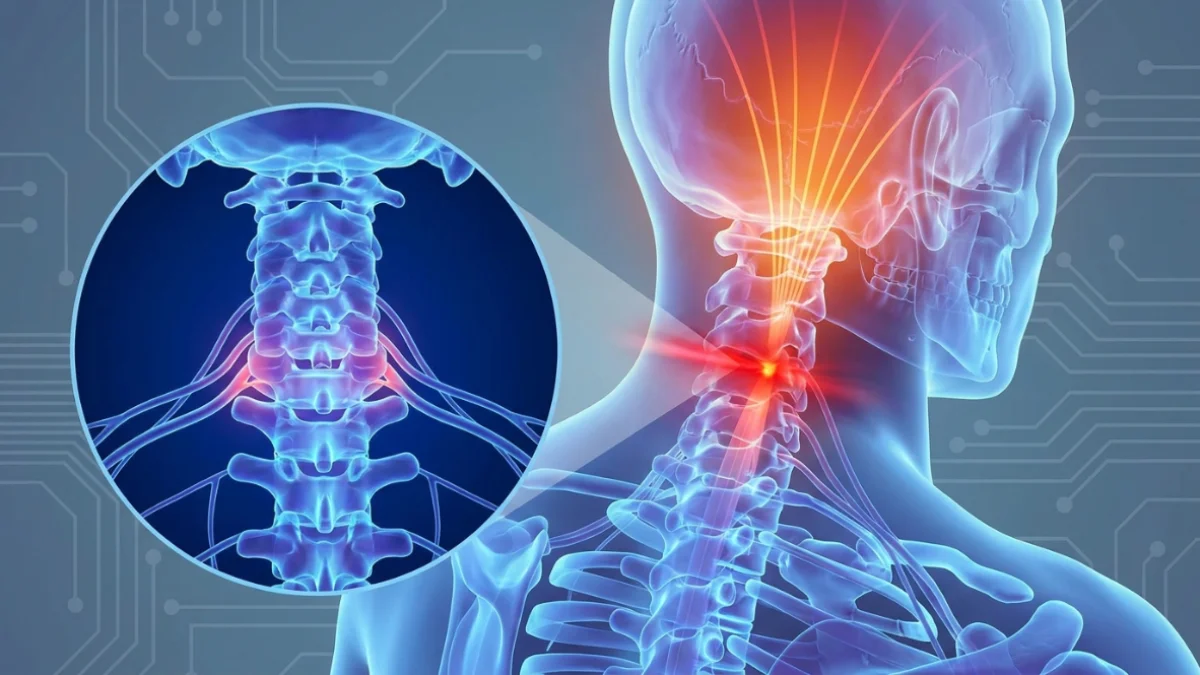
A pinched nerve in the neck can cause head pain when irritated cervical nerves send referred pain into the scalp, skull base, temple, or behind the eye. The serious step is to identify whether the pain behaves like Cervicogenic Headaches, Occipital Neuralgia, or migraine. The experienced solution is to map the pain path, check neck triggers, watch for neurological symptoms, and discuss diagnosis and treatment with a qualified clinician.
Quick clue: neck-driven head pain often starts at the neck or skull base, then travels upward.
Can A Pinched Nerve In The Neck Cause Head Pain?
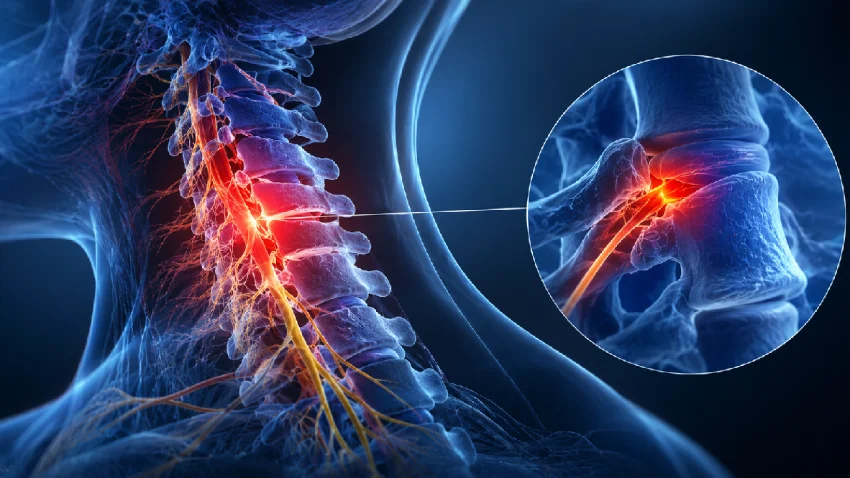
Can a pinched nerve in the neck cause head pain? Yes, it can. This section explains how cervical nerve irritation, referred pain, and upper neck structures can create headache-like symptoms.
The upper cervical spine contains nerves, joints, muscles, and soft tissues that can refer pain into the head. When these areas are irritated, compressed, inflamed, or strained, the brain may register the signal as head pain instead of only neck pain.
This can happen with:
- Pinched nerves
- Compressed nerves
- Cervical spine arthritis
- Disc protrusion or disc hernia
- Muscle guarding
- Neck injury
- Poor posture
- Nerve inflammation
- Scar tissue after surgery
- Upper neck joint irritation
Neck-related head pain may feel like a dull ache, pressure behind one eye, stabbing scalp pain, or electric shocks from the skull base. The exact feeling matters because different patterns suggest different conditions.
A simple overview helps:
| Pain Pattern | Possible Cause | Common Clue |
| Dull one-sided ache | Cervicogenic headache | Worse with neck movement |
| Electric scalp pain | Occipital neuralgia | Starts at the skull base |
| Neck to temple pain | Referred cervical pain | One-sided path |
| Pain with arm tingling | Cervical radiculopathy | Numbness or weakness |
| Head pain with nausea | Migraine possible | Light or sound sensitivity |
People researching Nerve Pain can use this article to understand how nerve pathways, pain receptors, and cervical nerve signals may contribute to head pain.
For wider category-level awareness, Simply Sleeping Pills can be placed as a service reference. Diagnosis and prescription treatment should always remain clinician-led.
The main point is not to self-diagnose. The goal is to understand whether head pain is being driven by the neck, nerves, migraine biology, or another urgent cause.
Cervicogenic Headaches: Neck-Driven Pain
Cervicogenic Headaches are secondary headaches that start from a problem in the neck. This section explains the common pain patterns, triggers, and clues that separate them from general headaches.
A cervicogenic headache usually begins in the neck or base of the skull. It may travel to one side of the head, forehead, temple, or behind one eye. The pain often feels dull, steady, deep, or pressure-like.
Common causes include:
- Upper cervical joint irritation
- Cervical disc issues
- Arthritis in the neck
- Pinched nerve roots
- Muscle tension and guarding
- Posture strain
- Whiplash or neck trauma
- Previous cervical spine surgery
A key clue is movement sensitivity. If turning the neck, holding the head in one position, looking down at a screen, or pressing the upper neck worsens the pain, a neck-driven headache becomes more likely.
Common cervicogenic headache signs include:
- One-sided head pain
- Neck stiffness
- Reduced neck movement
- Pain behind one eye
- Pain from the skull base upward
- Worse pain with neck position
- Shoulder or upper back tightness
- Headache after long desk posture
This pattern can overlap with other conditions. That is why Distinguishing Neck-Driven Headaches from Migraines matters. A cervicogenic headache is usually tied more clearly to neck position and neck movement.
A quick pattern table:
| Clue | Cervicogenic Pattern |
| Pain source | Neck or skull base |
| Pain direction | Upward into the head |
| Side | Often one-sided |
| Trigger | Neck movement or posture |
| Neck stiffness | Common |
| Nausea | Less typical than migraine |
Readers comparing Nerve Pain Differs From Muscle Pain should note whether the pain feels nerve-like, muscle-tight, or joint-driven. This helps describe symptoms more clearly to a clinician.
Occipital Neuralgia: Electric Scalp Pain
Occipital Neuralgia is nerve pain that often starts at the back of the head or upper neck. This section explains the sharp, shooting, electric pattern linked with irritated occipital nerves.
The greater and lesser occipital nerves travel from the upper neck into the scalp. When these nerves are compressed, inflamed, trapped by tight muscles, or irritated after injury, the pain can shoot upward toward the scalp.
Occipital neuralgia often feels like:
- Electric shock pain
- Sharp stabbing pain
- Burning scalp pain
- Piercing pain behind the ear
- Pain from the skull base upward
- Scalp tenderness
- Pain when brushing hair
- Pain when resting the head on a pillow
The pain may last seconds, minutes, or longer. Some people feel repeated spikes. Others feel soreness between sharp attacks.
People with burning nerve pain may recognise similar nerve sensations such as burning, hypersensitivity, and allodynia. In occipital neuralgia, even light touch can feel painful.
A clear comparison helps:
| Feature | Occipital Neuralgia |
| Main feeling | Electric, sharp, piercing |
| Start point | Neck or skull base |
| Direction | Up the scalp or behind the ear |
| Touch sensitivity | Common |
| Neck stiffness | May happen |
| Migraine-like confusion | Common |
Occipital neuralgia can be confused with migraine because both may affect one side of the head. The difference is that occipital neuralgia often follows a nerve path from the back of the head and may be triggered by touch.
Medical assessment may include physical exam, scalp tenderness check, neck assessment, imaging when needed, or a diagnostic nerve block. Treatment depends on the cause.
Migraine vs Neck Headache: Clear Differences
Distinguishing Neck-Driven Headaches from Migraines is important because treatment and triggers can differ. This section explains how migraine clues compare with cervicogenic headache and occipital neuralgia.
Migraine is a neurological headache disorder. It may cause throbbing pain, nausea, vomiting, visual aura, light sensitivity, sound sensitivity, and worsening with activity. Neck pain can happen during migraine, too, which makes diagnosis tricky.
Neck-driven headaches usually show a stronger link with the cervical spine. They may begin at the neck, worsen with posture, or increase when the upper neck is pressed. They may also travel from the skull base rather than starting deep inside the head.
A comparison table helps:
| Feature | Neck-Driven Headache | Migraine |
| Starting point | Neck or skull base | Head or one side |
| Neck movement trigger | Common | Possible but less specific |
| Nausea/vomiting | Less common | Common |
| Light sensitivity | Less common | Common |
| Scalp electric shocks | Occipital neuralgia clue | Less typical |
| Pain with hair brushing | Nerve clue | Less typical |
| Pain behind one eye | Can happen | Can happen |
The challenge is overlap. A person can have migraine and neck pain together. A person can also have occipital neuralgia that feels like a severe one-sided headache.
People dealing with sleeping with nerve pain may notice that pillow pressure, neck position, or scalp sensitivity makes symptoms worse at night. This clue should be included in symptom notes.
A clinician may use symptom history, physical exam, neck movement testing, imaging, or diagnostic nerve blocks to narrow the cause. The right diagnosis matters because the safest treatment plan depends on the source.
Symptom Mapping: Where the Pain Travels
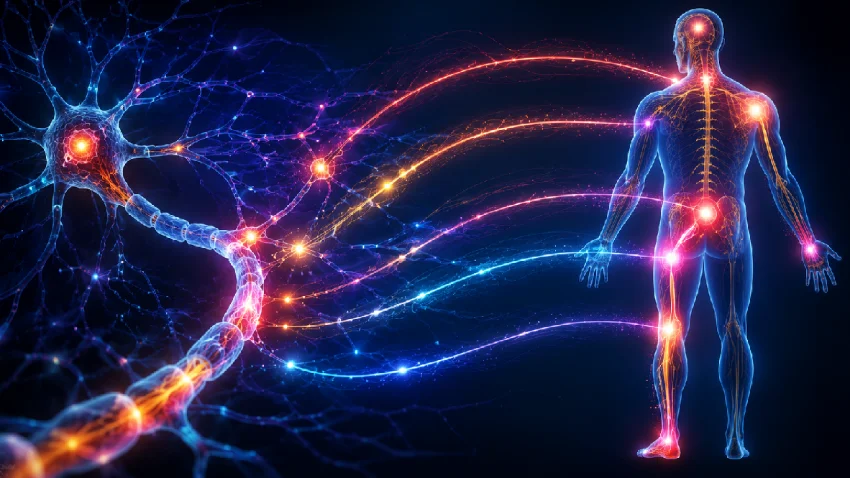
Symptom mapping helps identify whether head pain follows a neck, nerve, muscle, or migraine pattern. This section shows how to record the pain path clearly.
Start by noting where the pain begins. Neck-driven pain often starts at the upper neck, skull base, or behind the ear. It may then travel into the scalp, temple, forehead, or behind one eye.
Track these details:
- Pain start point
- Pain direction
- Dull, sharp, electric, or burning quality
- Neck stiffness
- Arm tingling or numbness
- Scalp tenderness
- Eye pressure
- Light or sound sensitivity
- Nausea or vomiting
- Posture or pillow triggers
A useful symptom map looks like this:
| Pain Description | Possible Direction | What to Note |
| Dull ache from neck to temple | Cervicogenic headache | Neck movement trigger |
| Electric shock to the scalp | Occipital neuralgia | Touch sensitivity |
| Headache with nausea | Migraine possible | Light or sound trigger |
| Neck pain with arm tingling | Cervical radiculopathy | Numbness or weakness |
| Burning scalp pain | Nerve irritation | Pressure or hair brushing |
People trying to manage nerve pain at night should record pillow height, sleep position, and whether pain wakes them. Night triggers can reveal mechanical neck stress.
Some people ask whether Nerves Heal Naturally Over Time. Recovery depends on the cause, compression level, inflammation, posture, injury, and how early treatment starts.
A clear symptom map helps avoid vague reporting. “My head hurts” is less useful than “electric pain starts at the right skull base and shoots upward when I turn my neck.”
Red Flags: When Head Pain Is Urgent
Red flags need fast medical attention because some head and neck symptoms can signal serious neurological, vascular, infectious, or spinal problems. This section explains when not to wait.
Most neck-related headaches are not emergencies, but sudden or unusual symptoms should be taken seriously. A new severe headache, neurological weakness, fever, or speech problem needs urgent assessment.
Seek urgent help if head pain appears with:
- Sudden worst headache
- Arm or leg weakness
- Facial drooping
- Trouble speaking
- Confusion
- Fainting
- Severe dizziness
- Fever or neck stiffness
- Vision loss
- New numbness
- Head injury
- Loss of balance
- Bladder or bowel changes with spinal symptoms
Neck pain with arm numbness, hand weakness, or electric symptoms may suggest nerve involvement. Severe or worsening symptoms should be reviewed quickly.
A red flag table:
| Red Flag | Why It Matters |
| Sudden worst headache | Emergency headache pattern |
| Weakness or speech trouble | Possible stroke-like symptom |
| Fever and stiff neck | Infection concern |
| Vision loss | Urgent neurological concern |
| Head injury | Bleeding or trauma risk |
| Worsening numbness | Nerve compression concern |
Do not use home care, online medicine ordering, or rest as the only response to urgent symptoms. Red flags need medical assessment first.
Treatment Review: Safe Medication Discussion
Treatment review should be based on diagnosis, pain pattern, medical history, and risk factors. This section places service anchors responsibly without encouraging unsafe self-treatment.
Neck-driven head pain may need physical therapy, posture correction, imaging, nerve block, anti-inflammatory treatment, migraine review, or specialist pain management. The right path depends on whether the cause is cervicogenic headache, occipital neuralgia, cervical radiculopathy, or migraine.
For prescription-only pain discussions, buy tramadol 50mg uk should only be considered under medical supervision. Tramadol can cause sedation, dependence, breathing risk, and dangerous interactions.
People searching for order tramadol 50mg online information should first confirm whether an opioid is appropriate for their headache or nerve pain pattern. Many neck-driven headache cases need targeted treatment, not only general pain relief.
For neuropathic pain discussions, buy pregabalin online uk should be treated as a prescription-supervised topic. Pregabalin can cause dizziness, drowsiness, dependence concerns, and withdrawal symptoms if stopped suddenly.
People looking into buy pregabalin online should discuss the diagnosis, dose, duration, and safety risks with a qualified clinician first. This matters if they use opioids, alcohol, sleeping tablets, or anxiety medicines.
Additional search terms such as pregabalin 300mg online order and buy pregabalin next day delivery should not replace assessment. Fast delivery does not confirm suitability.
Likewise, 50mg tramadol price should not drive treatment decisions. Safety, diagnosis, contraindications, and interaction risk matter more than price.
A safe review should cover:
- Pain start point and path
- Neck movement triggers
- Scalp sensitivity
- Migraine symptoms
- Arm numbness or weakness
- Current medicines
- Alcohol or sedative use
- Breathing or sleep issues
- Dependence history
- Red flag symptoms
For wider category awareness, Simply Sleeping Pills can be used as a service reference. Medication decisions should remain clinician-led and safety-focused.
Daily Support: Neck and Sleep Control
Daily support can reduce avoidable neck triggers while diagnosis is being reviewed. This section explains simple tracking, posture, pillow, and sleep steps that may help.
Start by reducing sustained neck strain. Long screen posture, phone bending, poor pillow height, and tense shoulders can irritate the upper neck. Small changes may reduce mechanical triggers.
Helpful steps include:
- Keep screens at eye level
- Avoid long neck bending
- Use a supportive pillow
- Change posture every 30 to 45 minutes
- Avoid sleeping with your neck twisted
- Track headache timing
- Note arm tingling or weakness
- Avoid sudden aggressive neck manipulation
- Seek assessment if symptoms persist
People reviewing Pregabalin vs Tramadol should remember that medicine comparison only makes sense after diagnosis. Cervicogenic headache, occipital neuralgia, migraine, and radiculopathy may need different treatment pathways.
A practical tracker:
| Detail | Example |
| Pain start | Right skull base |
| Pain type | Electric shock |
| Trigger | Turning neck |
| Spread | Up scalp |
| Duration | 30 seconds to 5 minutes |
| Other symptom | Scalp tenderness |
| Concern | Arm tingling |
A final category-level reference can sit naturally with Simply Sleeping Pills for readers researching sleep and pain support. Any prescription medicine, dosage, delivery, or price decision should be handled through a qualified medical route first.
Frequently Asked Questions: Neck Nerve Head Pain
1. Can a pinched nerve in the neck cause pain behind the eye?
Yes. Cervicogenic headache can refer pain from the neck toward the temple, forehead, or behind one eye. A clinician should check whether the pattern is neck-driven, migraine-related, or another cause.
2. What does occipital neuralgia feel like?
Occipital neuralgia often feels like sharp, shooting, electric, piercing, or burning pain that starts at the skull base and travels upward. The scalp may become tender or painful to touch.
3. How do I know if my headache is from my neck?
A neck-driven headache often starts at the neck or skull base, worsens with neck movement or posture, and may be one-sided. Neck stiffness or reduced movement can also appear.
4. Can neck nerve pain be mistaken for migraine?
Yes. Neck-driven headaches and occipital neuralgia can be mistaken for migraine because they may cause one-sided pain. Migraine more often include nausea, vomiting, aura, or strong light and sound sensitivity.
5. When should head pain from the neck be checked urgently?
Seek urgent help for sudden worst headache, weakness, trouble speaking, confusion, fever with stiff neck, vision loss, head injury, fainting, severe dizziness, or rapidly worsening numbness.