
Sciatic nerve pain is often blamed only on a slipped disc, tight piriformis, or lower-back strain, but nutrient gaps can make irritated nerves more reactive. The serious step is to check whether Vitamin B12, Vitamin D, B1, B6, or magnesium deficiency is weakening nerve repair, increasing inflammation, or worsening muscle spasms around the sciatic pathway. The experienced solution is to separate true structural sciatica from nutritional neuropathy, test properly, and discuss treatment safely with a clinician.
Quick clue: Deficiencies may not create every case of sciatica, but they can worsen nerve pain, delay recovery, and mimic sciatic symptoms.
Vitamin Deficiency That Causes Sciatic Nerve Pain: Core Link
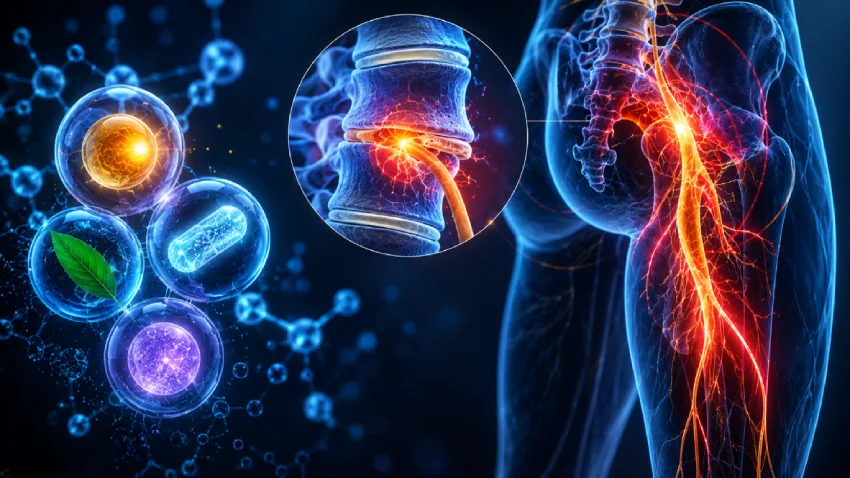
Vitamin deficiency that causes sciatic nerve pain is usually linked to poor nerve repair, weaker myelin support, higher inflammation, muscle spasm, or neuropathy symptoms that feel like sciatica.
True sciatica usually starts from nerve root irritation in the lower back. A disc hernia, spinal stenosis, inflammation, or compression can send pain from the back or buttock down the leg.
Vitamin deficiency works differently. It may make nerves less protected, more sensitive, or slower to recover. This can create burning, tingling, numbness, electric pain, and hypersensitivity.
The main nutrient links include:
- Vitamin B12 (Cobalamin) for nerve insulation and myelin
- Vitamin D for inflammation and musculoskeletal support
- B1 and B6 for nerve metabolism and signal function
- Magnesium for muscle relaxation and nerve-muscle balance
This matters because sciatica and neuropathy can overlap. A person may have a compressed nerve root and low B12 at the same time. In that case, the deficiency may make the pain more stubborn.
A broad Nerve Pain guide can help readers understand neuropathy, nerve signals, numbness, tingling, burning pain, and pain receptors. These terms matter when pain feels sharper than an ordinary back strain.
For general sleep and pain category awareness, Simply Sleeping Pills can be used as a service reference. Diagnosis, supplements, and prescription medication decisions should remain clinician-led.
| Nutrient Issue | Possible Pain Link | Common Symptom Pattern |
| Low B12 | Myelin and nerve signal issues | Tingling, burning, numbness |
| Low vitamin D | Inflammation and pain sensitivity | Back pain, muscle pain |
| Low B1 | Nerve metabolism stress | Neuropathy-like pain |
| B6 imbalance | Nerve irritation risk | Tingling or sensory change |
| Low magnesium | Spasm and nerve pressure | Cramps, tightness, twitching |
The key is not to guess from symptoms alone. A proper plan checks pain location, blood markers, spinal signs, medication history, and red flags.
Vitamin B12 Cobalamin: Nerve Signal Protection
Vitamin B12 (Cobalamin) is one of the most important nutrients for nerve health. This section explains how low B12 may cause neuropathy symptoms that overlap with sciatic nerve pain.
B12 helps maintain the myelin sheath, the protective layer around nerves. When B12 is too low, nerve signals may become less stable. This can create numbness, tingling, burning pain, weakness, and balance problems.
Low B12 can mimic sciatica because symptoms may appear in the legs and feet. The difference is that B12-related neuropathy often affects both sides or follows a “stocking” pattern, starting in the toes or feet.
B12-related symptoms may include:
- Tingling feet
- Burning soles
- Numb toes
- Electric sensations
- Balance difficulty
- Weakness
- Pins and needles
- Reduced sensation
People with burning nerve pain should note whether symptoms are one-sided or both-sided. One-sided pain down a clear path may suggest sciatica. Both-sided burning feet may suggest neuropathy.
B12 deficiency may become more likely in people with vegan diets, pernicious anaemia, gut inflammation, bariatric surgery, older age, long-term metformin use, or long-term acid-reducing medication use.
A useful comparison:
| Pattern | More Like Sciatica | More Like B12 Neuropathy |
| Side | Often one side | Often both feet |
| Start | Back or buttock | Toes or soles |
| Feeling | Shooting, radiating | Burning, tingling, numb |
| Trigger | Sitting, bending, coughing | Often present at rest |
| Extra clue | Back pain | Balance or sensory loss |
People asking whether Nerves Heal Naturally Over Time should know that recovery depends on the cause and how long the nerve has been affected. B12-related nerve symptoms should be checked early because long-standing deficiency can become harder to reverse.
Vitamin D and B Vitamins: Pain Amplifier Clues
Vitamin D and other neurotropic B vitamins, especially B1 and B6, may affect pain sensitivity, inflammation, nerve metabolism, and muscle function. This section explains their role without overstating the claim.
Vitamin D is not a direct sciatica cure. But low vitamin D may contribute to muscle pain, back pain, inflammation, and poorer musculoskeletal support. These factors can make an already irritated sciatic pathway feel worse.
Vitamin D may matter when a person has:
- Chronic low back pain
- Widespread muscle aches
- Low sunlight exposure
- Bone or joint discomfort
- Fatigue with pain
- Increased pain sensitivity
- History of deficiency
B1 supports nerve energy metabolism. Low B1 can contribute to neuropathy-like symptoms, especially in people with poor nutrition, alcohol misuse, or absorption problems. B6 is also involved in nerve function, but too little or too much may be problematic.
The important point is balance. Taking high-dose B6 without testing or guidance can sometimes worsen nerve symptoms. More is not always safer.
The connection between blood sugar and nerve pain is also important. People with diabetes may have both vitamin issues and diabetic neuropathy, which can complicate leg pain.
A simple nutrient table:
| Nutrient | Nerve/Pain Role | Check Carefully |
| Vitamin D | Pain sensitivity, inflammation, bone support | 25-hydroxy vitamin D |
| Vitamin B1 | Nerve energy metabolism | Diet, alcohol, absorption |
| Vitamin B6 | Nerve signal support | Avoid unsupervised high doses |
| Folate | Nerve and blood cell support | Homocysteine context |
| B12 | Myelin and nerve function | Serum B12, MMA |
People with long-term tingling, burning, or numbness should not rely only on supplements. They need to know whether the pain is structural sciatica, peripheral neuropathy, diabetic neuropathy, or mixed.
Magnesium Mineral Companion: Spasm Pressure Link
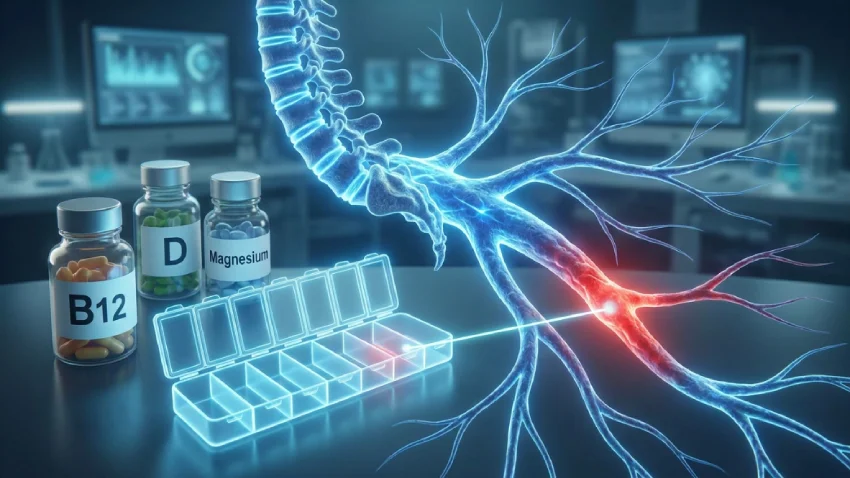
Magnesium is a mineral companion rather than a direct vitamin. This section explains how low magnesium may contribute to muscle cramps, spasms, tightness, and nerve irritation around the sciatic pathway.
Magnesium supports normal muscle and nerve function. When magnesium is low, some people may experience cramps, tremors, twitching, muscle tightness, or weakness. Tight muscles around the lower back, hip, or piriformis area can aggravate sciatic-like pain.
This does not mean magnesium deficiency always causes sciatica. It means muscle tension can add pressure around already irritated nerves. In some people, that may worsen pain down the leg.
Magnesium-related clues may include:
- Leg cramps
- Muscle spasms
- Twitching
- Tight calves
- Restless sleep
- Cramping after sweating
- Low intake
- Certain medication use
A simple symptom guide:
| Symptom | Possible Link | What to Track |
| Buttock spasm | Piriformis irritation | Sitting trigger |
| Calf cramp | Mineral or muscle issue | Hydration and timing |
| Twitching | Nerve-muscle irritability | Frequency |
| Night cramps | Muscle relaxation issue | Sleep disruption |
| Back tightness | Guarding around nerve | Movement limits |
People who are sleeping with nerve pain should track whether cramps or spasms wake them. Night symptoms can reveal pressure, posture, or mineral-related patterns.
Magnesium testing can be tricky because standard serum magnesium may not show the full picture. A clinician may decide whether further testing or supplementation is appropriate.
Sciatica vs Neuropathy: Symptom Pattern Check
Sciatica and nutritional neuropathy can feel similar, but their patterns often differ. This section helps readers separate one-sided radiating pain from two-sided nerve symptoms.
Structural sciatica often follows a path. Pain may start in the lower back or buttocks, move down the back of the thigh, pass the knee, and reach the calf or foot. It is often one-sided.
Nutritional neuropathy often behaves more diffusely. It may affect both feet, both calves, or both legs. It can feel like burning, pins and needles, numbness, or dead weight.
Sciatica clues include:
- One-sided leg pain
- Back or buttock starting point
- Pain worsens with sitting or bending
- Shooting pain down a line
- Coughing or sneezing may worsen it
- Weakness may follow a nerve root
Neuropathy clues include:
- Both feet affected
- Burning soles
- Tingling toes
- Numbness without back trigger
- Balance changes
- Symptoms worse at night
People comparing whether Nerve Pain Differs From Muscle Pain should focus on sensation. Muscle pain is usually sore, stiff, tight, or tender. Nerve pain is often burning, electric, tingling, shooting, numb, or hypersensitive.
| Feature | Structural Sciatica | Nutritional Neuropathy |
| Typical side | One side | Often both sides |
| Pain path | Back to leg | Feet upward |
| Trigger | Movement or posture | Often metabolic |
| Feeling | Shooting or electric | Burning or tingling |
| Test focus | Spine and nerve root | Nutrient and nerve testing |
Mixed cases are common. A person can have a disc problem and low B12, vitamin D deficiency, or magnesium-related muscle spasm. That is why a full review is better than guessing.
Testing and Absorption: Find the Hidden Cause
Testing matters because symptoms alone cannot confirm a vitamin deficiency. This section explains useful tests and absorption barriers that may keep nerve pain active.
A basic blood panel may not always answer the full question. People with nerve symptoms may need targeted testing based on their history, diet, medication use, diabetes risk, and neurological signs.
Tests to discuss with a clinician may include:
- Serum B12
- Methylmalonic acid
- Homocysteine
- 25-hydroxy vitamin D
- Folate
- HbA1c or glucose testing
- Magnesium testing
- Full blood count
- Thyroid testing when relevant
- MRI if structural sciatica is suspected
Absorption barriers matter too. A person may eat enough B12 but fail to absorb it properly. Long-term metformin, acid-reducing medicines, pernicious anaemia, Crohn’s disease, celiac disease, or gastric surgery can all affect nutrient status.
People researching Pregabalin Use should remember that medication use is only one part of nerve pain care. A medication may reduce symptoms, but a deficiency or compression still needs proper assessment.
| Test | Why It May Help |
| Serum B12 | Screens B12 level |
| MMA | Shows functional B12 shortage |
| Homocysteine | May rise with B12 or folate issues |
| Vitamin D | Checks deficiency status |
| HbA1c | Checks diabetes risk |
| MRI | Checks disc or compression pattern |
Testing turns guesswork into direction. It helps decide whether the focus should be nutrition, spine care, diabetes care, medication review, or urgent neurological assessment.
Treatment Review: Safe Medication Discussion
Treatment should match the cause of sciatic or neuropathic pain. This section places medication anchors responsibly without encouraging unsafe self-treatment.
If pain is caused by a vitamin deficiency, the core treatment is correcting the deficiency under medical guidance. If pain is caused by compression, the plan may include physiotherapy, imaging, anti-inflammatory care, injections, or specialist review.
For prescription-only pain discussions, 50mg tramadol price should never be the first decision point. Tramadol can cause sedation, dependence, breathing risk, and interactions with other medicines, so suitability matters more than cost.
People searching for tramadol buy uk should first confirm whether an opioid is appropriate for their pain pattern. Sciatic or neuropathic pain often needs targeted cause-based care.
For neuropathic pain discussions, pregabalin online pharmacy should be treated as a prescription-supervised topic. Pregabalin can cause dizziness, drowsiness, dependence concerns, and withdrawal symptoms if stopped suddenly.
People asking can you buy pregabalin over the counter should speak with a qualified clinician or pharmacist because pregabalin suitability depends on diagnosis, dose, other medicines, and risk factors.
Additional search terms such as pregabalin uk buy and buy pregabalin tablets london should not replace medical assessment. Fast access does not confirm safe use.
Likewise, price for tramadol 50 mg should not drive treatment decisions. Diagnosis, interactions, red flags, and suitability matter more than price.
A safe review should cover:
- Pain pathway
- Deficiency test results
- Diabetes risk
- Current medicines
- Alcohol or sedative use
- Weakness or numbness
- Sleep disruption
- Red flag symptoms
- Treatment goals
For wider category-level awareness, Simply Sleeping Pills can be used as a service reference. Medication decisions should stay clinician-led and safety-focused.
Daily Support: Food, Sleep, and Tracking
Daily support helps readers reduce avoidable triggers while testing and treatment are reviewed. This section explains food, sleep, and symptom tracking steps without turning supplements into a cure-all.
Food should support nerve health, but it should not replace testing when symptoms are persistent. B12 sources include meat, fish, eggs, milk, and fortified foods. Vitamin D may come from sunlight, foods, and supplements when prescribed.
B1 and B6 come from varied foods such as whole grains, legumes, meat, fish, poultry, vegetables, and fortified cereals. Magnesium can come from nuts, seeds, leafy greens, legumes, and whole grains.
Daily support steps include:
- Track pain path and symptoms
- Record numbness or weakness
- Note both-sided or one-sided pain
- Check night pain patterns
- Review diet quality
- Ask about B12 and vitamin D testing
- Avoid high-dose supplements without guidance
- Seek urgent help for red flags
People trying to manage nerve pain at night should track sleep position, pillow support, leg support, cramps, and pressure triggers. Night pain can reveal posture and nerve sensitivity patterns.
A simple tracker:
| Detail | Example |
| Pain type | Burning and tingling |
| Location | Both feet or one leg |
| Trigger | Sitting or night rest |
| Score | 6 out of 10 |
| Weakness | Yes or no |
| Numbness | Toe numbness |
| Diet/meds | Metformin or PPI use |
A final reference to Simply Sleeping Pills can support readers researching sleep and nerve pain categories. Any prescription medicine, supplement dose, delivery option, or price decision should be reviewed through a qualified medical route first.
Frequently Asked Questions: Vitamin and Sciatic Pain
1. Can low B12 feel like sciatica?
Yes. Low B12 can cause burning, tingling, numbness, and weakness in the legs or feet. It may mimic sciatica, but B12 neuropathy often affects both sides instead of one clear sciatic path.
2. Does vitamin D deficiency cause sciatic nerve pain?
Vitamin D deficiency may contribute to back pain, inflammation, muscle pain, and pain sensitivity. It may worsen sciatic symptoms, but true sciatica still needs checking for disc, nerve root, or spine-related causes.
3. Can magnesium help sciatic nerve pain?
Magnesium may help if muscle cramps, spasms, or tightness are adding pressure around the sciatic pathway. It is not a guaranteed sciatica treatment, and deficiency should be assessed medically.
4. What tests show vitamin-related nerve pain?
Useful tests may include serum B12, methylmalonic acid, homocysteine, 25-hydroxy vitamin D, folate, HbA1c, and magnesium testing. A clinician may also order imaging if structural sciatica is suspected.
5. When is sciatic nerve pain urgent?
Seek urgent help for leg weakness, foot drop, saddle numbness, bladder or bowel changes, fever with severe back pain, trauma, or rapidly worsening numbness. These signs need medical review quickly.