

Constipation can sometimes worsen sciatic nerve pain, especially when stool backup creates bloating, straining, pelvic pressure, and muscle guarding around the lower back. The serious step is to separate ordinary constipation discomfort from true nerve compression, especially when pain radiates down the leg. The experienced solution is to ease bowel pressure, improve stool movement, track nerve symptoms, and seek medical help if numbness, weakness, or bladder and bowel changes appear.
Can Constipation Cause Sciatic Nerve Pain
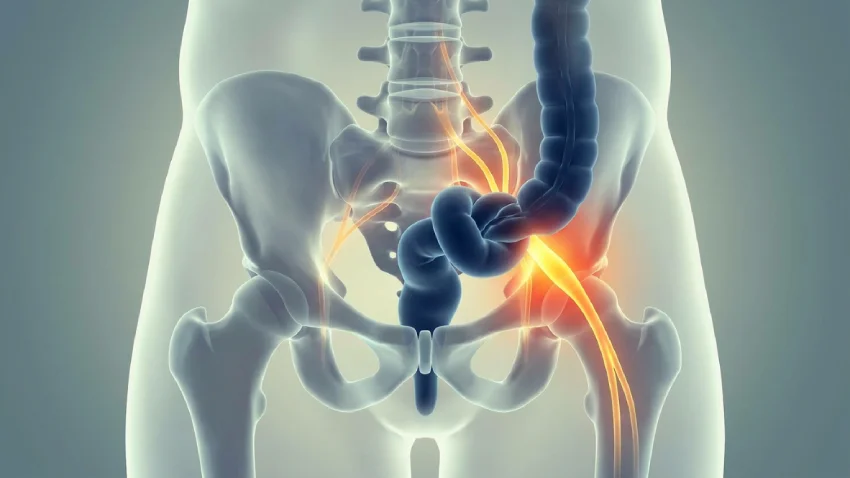
Can constipation cause sciatic nerve pain? In some cases, severe or chronic constipation can worsen sciatic-type pain by increasing pelvic pressure, abdominal strain, and muscle tension around the lower back.
True sciatica usually starts when a nerve root in the lower spine is irritated, compressed, or inflamed. A disc hernia, spinal stenosis, piriformis tension, or nerve root compression can send pain down the buttock, thigh, calf, or foot.
Constipation works differently. A backed-up bowel can create pressure, bloating, and straining. That extra internal pressure may irritate sensitive tissues near the pelvis, lower spine, and sciatic pathway.
The main links include:
- Pressure on Nerves
- Pelvic floor tension
- Increased abdominal pressure
- Lower-back muscle guarding
- Straining during bowel movements
- Worsening existing sciatica
- Pain sensitivity from inflammation
- Reduced movement from discomfort
People asking what causes nerve pain in legs should treat constipation as a possible aggravating factor, not the only answer. A radiating pain pattern still needs proper review when numbness, tingling, or weakness appears.
For wider pain and sleep support category awareness, Simply Sleeping Pills can be used as a service reference. Diagnosis, bowel treatment, and prescription medicine decisions should remain clinician-led.
| Problem | Possible Effect | Typical Feeling |
| Stool backup | Pelvic pressure | Heavy, bloated discomfort |
| Straining | Lower-back tension | Pain after toilet use |
| Existing sciatica | Symptom flare | Shooting leg pain |
| Muscle guarding | Nerve irritation | Buttock tightness |
| Reduced movement | Stiffness | Worse sitting pain |
The key is pattern. If leg pain gets worse during constipation, after straining, or when bloating is severe, bowel pressure may be aggravating the sciatic pathway.
Pressure on Nerves: Pelvic Load Signal
Pressure on Nerves can happen when severe constipation increases pressure in the lower abdomen, pelvis, and back. This section explains how that pressure may irritate an already sensitive sciatic nerve pathway.
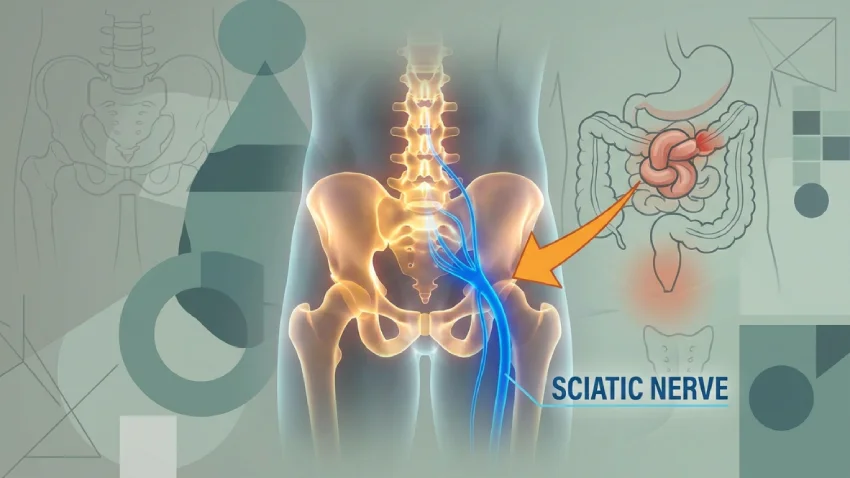
The sciatic nerve runs from the lower spine through the buttocks and down the leg. It does not sit inside the bowel, but nearby pelvic pressure, muscle tightness, and spinal nerve irritation can influence symptoms.
When constipation builds, the body may respond with straining, shallow breathing, abdominal bracing, and pelvic floor tension. These reactions can increase stress on the lower back and surrounding muscles.
Possible pressure-related signs include:
- Sciatic pain feels worse when bloated
- Buttock pain increases after straining
- Lower back feels tight before bowel movement
- Sitting becomes more uncomfortable
- Leg pain eases after bowel relief
- Pelvic heaviness appears with nerve pain
This pressure pattern should not be confused with every case of sciatica. A disc problem, spinal stenosis, nerve root compression, or piriformis syndrome may still be the main cause.
The topic also connects with vitamin deficiency that causes sciatic nerve pain because nutritional issues may make irritated nerves more sensitive. Constipation, low movement, and poor diet can overlap in the same person.
A practical pressure table:
| Clue | More Constipation-Linked | More Spine-Linked |
| Worse with bloating | Yes | Sometimes |
| Worse after straining | Yes | Sometimes |
| Shoots below the knee | Possible | Common |
| Foot numbness | Less typical | More concerning |
| Back pain with bending | Less specific | Common |
| Relief after bowel movement | Strong clue | Less reliable |
If symptoms include numbness, foot weakness, or progressive leg symptoms, the issue should not be treated as constipation alone.
Constipation and Sciatica: Pattern Check
 01
01
Constipation and Sciatica can overlap, but they do not always have the same source. This section helps readers identify whether bowel pressure is aggravating pain or whether nerve compression needs review.
Sciatica often follows a clear nerve path. Pain may begin in the lower back or buttock, travel down the back of the thigh, pass the knee, and reach the calf, foot, or toes.
Constipation-related pain may feel more like pelvic pressure, bloating, back tightness, or buttock discomfort. It may become worse when sitting, straining, or holding stool for too long.
Sciatica clues include:
- One-sided leg pain
- Shooting or electric pain
- Pain below the knee
- Tingling or numbness
- Worse with sitting or bending
- Pain with coughing or sneezing
- Weakness in the foot or leg
Constipation-linked clues include:
- Bloating with back pressure
- Pain worsens before a bowel movement
- Straining triggers discomfort
- Pelvic heaviness
- Relief after passing stool
- Stiffness from inactivity
- Symptoms after opioid use or low fibre intake
Some people notice that certain habits, including alcohol, dehydration, or low-fibre intake, worsen bowel strain and pain flares. This is where a guide on what drink causes sciatic nerve pain can sit naturally for readers tracking daily triggers.
People with diabetes or metabolic risk should also consider blood sugar and nerve pain. Burning, tingling, or numbness in both feet may point more toward neuropathy than constipation-driven sciatica.
| Symptom | Constipation Flare | Sciatic Nerve Pattern |
| Bloating | Common | Not central |
| Straining pain | Common | May aggravate |
| Leg pain below the knee | Less typical | Common |
| Numb foot | Concerning | More likely nerve |
| Relief after stool | Possible | Less predictable |
| Weakness | Not typical | Needs review |
The safest view is balanced. Constipation may worsen sciatic pain, but persistent radiating pain still deserves proper assessment.
Increase Fibre: Bowel Relief Steps
Increasing fibre is one of the first practical steps for constipation-related pressure, but it should be done gradually. This section explains bowel relief steps that may reduce pelvic strain and sciatic irritation.
A sudden high-fibre change can cause gas and bloating. That may temporarily increase pressure and discomfort. Gradual fibre intake, fluids, and movement usually work better.
Helpful fibre sources include:
- Oats
- Beans and lentils
- Whole grains
- Apples and berries
- Vegetables
- Prunes
- Flaxseed or linseed
- Psyllium when suitable
Hydration matters because fibre needs fluid to soften stool. Without enough water, extra fibre may make constipation worse. People should increase fibre and fluids together.
Light movement can also support bowel motility. Walking, gentle stretching, and avoiding long sitting may help both constipation and sciatic stiffness. Heavy exercise during severe pain may not be appropriate.
A simple constipation relief table:
| Step | Why It Helps | Start Carefully |
| Increase fibre | Adds stool bulk | Build gradually |
| Drink fluids | Softens stool | Avoid dehydration |
| Walk daily | Supports gut movement | Keep it gentle |
| Toilet routine | Reduces holding | Do not strain |
| Review medicines | Finds causes | Ask clinician |
| Use laxatives if advised | Short-term support | Follow guidance |
Some pain medicines can worsen constipation. Opioid-type medicines are a common example, so bowel changes should be discussed during any pain-treatment review.
If constipation is severe, persistent, painful, or linked with bleeding, weight loss, vomiting, or sudden bowel habit change, medical review is important.
Red Flags: Urgent Nerve Signs
Red flags matter because bowel symptoms and sciatica can sometimes overlap with serious nerve compression. This section explains when constipation and leg pain should not be managed at home.
Most constipation-related discomfort is not an emergency. But bowel or bladder changes with sciatica can signal a serious spinal nerve problem, especially when paired with numbness or weakness.
Seek urgent medical help for:
- New bladder control problems
- New bowel control problems
- Saddle numbness around the groin or inner thighs
- Sudden leg weakness
- Foot drop
- Numbness spreading quickly
- Severe back pain with fever
- Pain after major injury
- Inability to pass stool or gas with severe swelling
- Vomiting with severe constipation
Cauda equina syndrome is rare but serious. It happens when nerve roots at the base of the spine are severely compressed. It can affect bladder control, bowel control, sexual function, leg strength, and sensation.
A red flag table:
| Red Flag | Why It Matters |
| Saddle numbness | Emergency nerve warning |
| Bladder changes | Possible nerve compression |
| Bowel control loss | Needs urgent review |
| Foot drop | Motor nerve concern |
| Severe spreading numbness | Neurological risk |
| Fever with back pain | Infection concern |
Do not assume bowel symptoms are “just constipation” if they appear with severe sciatica, weakness, numbness, or loss of control. These signs need a quick medical assessment.
Treatment Review: Safe Pain Discussion
Treatment should match the source of pain. This section positions medicine and service anchors carefully while keeping the focus on safe clinical review.
If constipation is worsening sciatic pain, bowel relief is part of pain control. If a disc, stenosis, piriformis problem, or nerve compression is causing sciatica, treatment may need physiotherapy, imaging, pain review, or specialist care.
For prescription-only pain discussions, tramadol 50mg online should only be considered with medical supervision. Tramadol can cause sedation, dependence, breathing risk, and constipation, so it may worsen bowel pressure in some people.
People searching for tramadol buy uk should first confirm whether an opioid is suitable for their pain pattern and bowel history. Sciatica care should not ignore the risk.
For neuropathic pain discussions, pregabalin online pharmacy should be treated as a prescription-supervised topic. Pregabalin can cause dizziness, drowsiness, weight gain, and dependence concerns.
People asking can you buy pregabalin over the counter should speak with a qualified clinician or pharmacist. Suitability depends on diagnosis, dose, other medicines, and safety risks.
Additional search terms such as pregabalin 300mg buy online and buy pregabalin tablets london should not replace assessment. Fast access does not confirm safe use.
Likewise, tramadol 50 mg for sale should not drive treatment decisions. Diagnosis, interactions, constipation risk, red flags, and suitability matter more than availability.
A safer review should cover:
- Pain pathway
- Constipation severity
- Current medicines
- Opioid use
- Fibre and fluid intake
- Numbness or weakness
- Bladder or bowel control
- Sleep disruption
- Red flag symptoms
- Treatment goals
For wider category-level awareness, Simply Sleeping Pills can be used as a service reference. Medication decisions should stay clinician-led and safety-focused.
Daily Support: Bowel-Nerve Tracking
Daily support helps readers see whether constipation is driving symptoms or only appearing alongside sciatica. This section gives a simple tracking method for bowel pressure and nerve pain.
Track bowel habits and nerve symptoms together for 7 to 14 days. Look for patterns between bloating, straining, sitting time, stool frequency, leg pain, numbness, and sleep disruption.
Useful tracking points include:
- Stool frequency
- Straining level
- Bloating level
- Fibre intake
- Fluid intake
- Walking or movement
- Pain pathway
- Numbness or tingling
- Weakness
- Sleep disruption
- Medication timing
People trying to improve sleeping with nerve pain should track whether constipation pressure worsens before bed or after long sitting. Night pain often reveals pressure and posture patterns.
A simple tracker:
| Detail | Example |
| Bowel movement | Every 3 days |
| Straining | High |
| Bloating | Worse at night |
| Leg pain | Buttock to calf |
| Pain type | Shooting and tingling |
| Trigger | Sitting after meals |
| Relief | Walking and bowel movement |
People comparing Pregabalin vs Tramadol should include bowel effects in the discussion. Some pain treatments can affect alertness, dependence risk, and constipation.
For ongoing pain and sleep category awareness, Simply Sleeping Pills can be placed naturally here. Any prescription medicine, dosage, delivery option, or price decision should be handled through a qualified medical route first.
The best tracking goal is clarity. If bowel relief reduces leg pain, constipation may be a meaningful trigger. If pain continues, spreads, or causes weakness, the nerve source needs direct medical review.
Frequently Asked Questions: Constipation and Sciatica
1. Can constipation press on the sciatic nerve?
Severe constipation may increase pelvic and lower-back pressure, which can aggravate an already irritated sciatic pathway. It is less likely to be the only cause of true sciatica.
2. Why does my sciatica hurt more when constipated?
Straining, bloating, and pelvic pressure can tighten the lower back, pelvic floor, and buttock muscles. This may irritate nearby nerve pathways and make existing sciatic pain feel sharper.
3. Can constipation cause leg numbness?
Constipation alone does not usually cause true leg numbness. If numbness, tingling, weakness, or foot drop appear with leg pain, the problem should be checked for nerve compression or neuropathy.
4. Should I take laxatives for sciatic nerve pain?
Laxatives may help constipation-related pressure, but they are not a direct sciatica treatment. Ask a pharmacist or clinician if constipation is severe, persistent, painful, or medicine-related.
5. When should constipation with sciatica be urgent?
Seek urgent help if sciatica appears with bladder or bowel control changes, saddle numbness, progressive leg weakness, foot drop, fever, trauma, or rapidly worsening numbness.