
Pain can make exercise feel risky, especially when movement has previously caused flare-ups, poor sleep, stiffness, or fear of making symptoms worse. The problem is that complete rest can also increase weakness, tension, low mood, and reduced confidence over time.
The serious action is to choose pain-friendly exercises that are gentle, paced, and adjusted to your symptoms. Start slowly, listen to your body, use the 2-hour pain rule, and choose lower-impact movement such as water aerobics, swimming, cycling, and controlled strength training.
The quick clue: safe movement should feel manageable during and after exercise, not punishing.
For broader educational reading, Simply Sleeping Pills can be positioned as a resource hub, but ongoing pain, nerve symptoms, or exercise intolerance should still be discussed with a qualified healthcare professional.
Pain Friendly Exercises: Safe Start
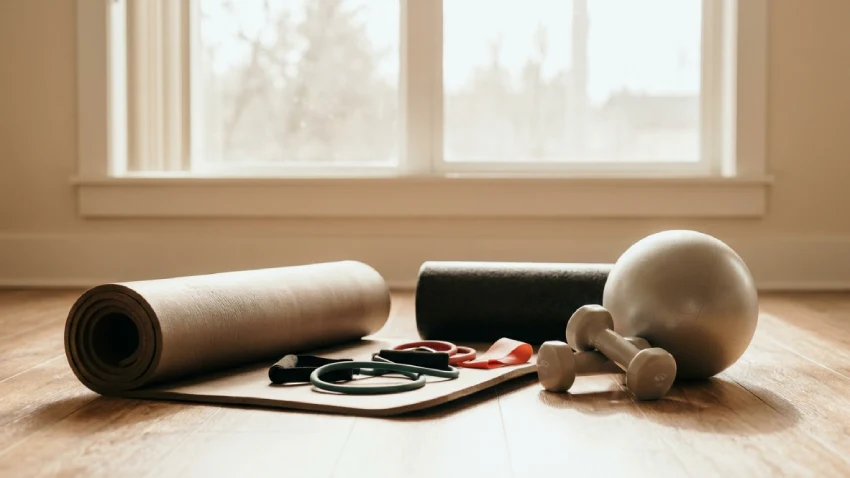
Pain-friendly exercises are not about pushing hard or ignoring symptoms. This section explains how safer movement works, why low-impact choices help, and how to begin without triggering unnecessary flare-ups.
Pain-friendly exercises are movements chosen to support mobility, strength, circulation, balance, and daily function without forcing the body through sharp or worsening pain. They are especially useful when pain makes ordinary workouts feel intimidating.
The goal is not to “beat” pain in one session. The goal is to build tolerance gradually, reduce fear around movement, and help the body regain confidence through controlled activity.
Low-impact options are often better starting points. Walking, water aerobics, swimming, cycling, stretching, chair-based movement, and gentle strength training can be adjusted to different ability levels.
A helpful starting point is understanding your baseline. Your baseline is the amount of movement you can do on a normal day without causing a major pain flare later.
| Exercise Type | Why It Helps | Beginner Adjustment |
| Walking | Simple and adjustable | Start with short flat routes |
| Water aerobics | Reduces joint load | Use warm shallow water |
| Swimming | Supports body weight | Choose gentle strokes |
| Cycling | Low-impact cardio | Use light resistance |
| Strength training | Builds support | Start with bodyweight |
| Stretching | Reduces stiffness | Stay within comfort |
| Chair exercises | Safer for limited mobility | Use slow controlled reps |
If pain already affects sleep, daily movement should be planned carefully because pain affects sleep quality, and poor rest can make the next day’s symptoms feel stronger.
The best start is small, repeatable, and calm. A short, safe routine done consistently is better than one hard session that causes a setback.
Listen to Your Body: Pain Signals
Listening to your body does not mean avoiding all discomfort. This section explains the difference between safe effort, warning pain, fatigue, nerve symptoms, and signs that the session should be reduced.
“Listen to your body” means noticing what your symptoms do before, during, and after movement. Mild effort, warmth, and gentle muscle fatigue can be normal, but sharp, electric, spreading, or worsening pain needs attention.
Pain-friendly movement should feel controlled. If symptoms rise quickly, change location, create tingling, or cause weakness, the exercise may need to be modified or stopped.
The body often gives early signals before a flare. These may include tightening, guarded movement, a changed walking pattern, increased sensitivity, shallow breathing, or unusual fatigue.
Stop or reduce the session if you notice:
- Sharp or stabbing pain
- Electric or burning nerve pain
- New tingling or numbness
- Weakness or loss of control
- Dizziness or chest discomfort
- Shortness of breath that feels unusual
- Pain that spreads instead of settling
- Joint swelling or instability
Readers who experience nerve-type symptoms should understand the signs of neuropathic pain before treating tingling, burning, or electric pain like normal exercise soreness.
Listening to the body is a skill. It helps you choose the right intensity instead of guessing between doing too much and doing nothing.
2-Hour Pain Rule: Smart Limit

The 2-hour pain rule gives a simple way to judge whether exercise was too much. This section explains how to use it without fear, over-resting, or stopping movement completely.
The 2-hour pain rule means you compare your pain before exercise with your pain two hours after exercise. If pain is clearly worse two hours later, the session was likely too intense, too long, or too fast.
This does not mean exercise is bad. It means the next session should be shorter, slower, lighter, or easier to recover from.
The same rule can be used after walking, swimming, cycling, stretching, housework, or strength training. It helps you measure response instead of relying only on how you feel during activity.
Use this simple response table:
| Two Hours Later | What It Means | Next Session |
| Same or calmer | Good tolerance | Repeat or progress slowly |
| Slightly sore but okay | Acceptable caution | Keep similar level |
| Clearly worse | Too much load | Reduce time or intensity |
| New tingling or numbness | Possible nerve irritation | Stop and seek guidance |
| Pain lasts next day | Overload signal | Rest, reduce, review plan |
Tracking pain severity levels helps you see whether movement is improving tolerance or repeatedly causing setbacks.
The 2-hour rule works best when you write things down. A simple pain score before exercise, immediately after, and two hours later can guide safer progress.
Start Slowly: Build Control
Starting slowly is not a weakness; it is a strategy. This section shows how small, repeatable movement helps prevent flare-ups while building confidence, strength, and activity tolerance over time.
Start slowly means choosing a level that your body can repeat. If you have been inactive, recovering, or living with chronic pain, even five minutes can be a valid starting point.
The mistake many people make is doing too much on a good day. That can create a boom-and-bust pattern where one active day causes two or three difficult recovery days.
A safer plan is to begin below your maximum ability. Then add time, resistance, or repetitions slowly only when your body tolerates the current level.
Beginner progression guide:
| Week Stage | Movement Goal | Progress Rule |
| First start | 5–10 minutes of gentle activity | Keep it easy |
| Early routine | 3–4 days per week | Repeat before increasing |
| Stable week | Add 1–2 minutes | Only if symptoms settle |
| Strength start | 1 set of easy reps | Avoid failure |
| Better tolerance | Add light resistance | Increase slowly |
If anxiety moves feel frightening, learning to calm anxiety may help readers reduce fear-based tension before a gentle evening activity.
A slow start protects consistency. The body usually responds better to steady repetition than sudden intensity.
Water Exercise: Joint Relief
Water-based movement is often useful when land exercise feels too heavy. This section explains why swimming and water aerobics can reduce pressure while still supporting strength, balance, and mobility.
Water aerobics and swimming can be helpful because water supports body weight. This can reduce pressure on painful joints, stiff muscles, and sensitive areas while still allowing movement.
Warm water may feel soothing for some people. It can help the body move with less guarding and may make gentle range-of-motion exercises easier.
Swimming does not need to be intense. Gentle walking in water, floating, slow kicking, supported arm movements, and beginner water aerobics can all be adjusted.
Water-friendly options include:
- Walking in shallow water
- Gentle water aerobics
- Slow lap swimming
- Supported floating movements
- Pool cycling, where available
- Gentle leg swings
- Slow arm circles
- Water-based balance drills
If readers deal with symptoms linked to tingling or nerve sensitivity, they may also want to understand the Common Causes of Tingling Sensations before choosing exercise intensity.
Water exercise is not automatically perfect for everyone. Slippery pool areas, cold water, fatigue, and breathing issues should be considered before starting.
Cycling or Spinning: Low Impact
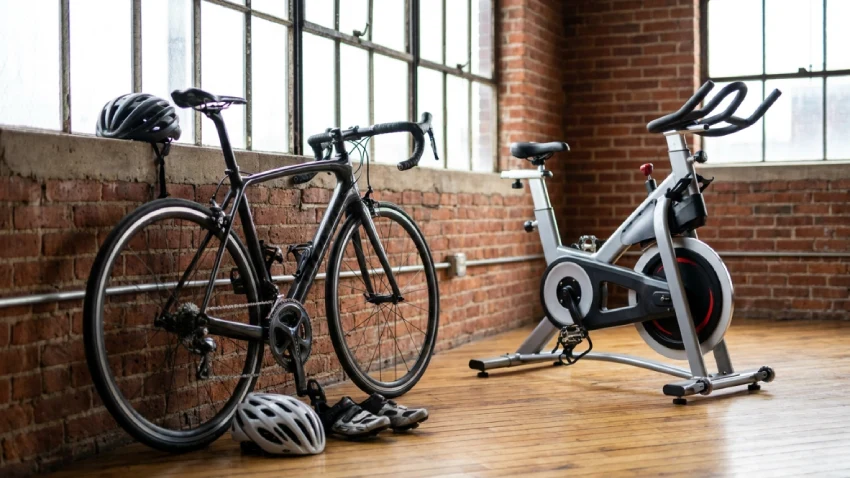
Cycling can offer cardiovascular movement with less impact than running or jumping. This section explains how to use cycling or spinning carefully when pain, stiffness, fatigue, or joint sensitivity is present.
Cycling and spinning can be pain-free when resistance is low, posture is comfortable, and the session is short enough to recover from. The movement is repetitive, smooth, and adjustable.
A stationary bike may feel safer than outdoor cycling for beginners. It removes traffic, uneven ground, weather, and sudden stops.
Seat height and posture matter. A poor setup can irritate knees, hips, back, wrists, neck, or nerves.
Cycling setup checks:
- Use light resistance at first
- Keep the session short
- Avoid standing climbs early
- Adjust seat height
- Keep shoulders relaxed
- Avoid gripping handles tightly
- Stop if tingling appears
- Track the 2-hour response
People with diabetes-related nerve symptoms should be cautious with foot pressure, footwear, and skin checks. Readers with foot tingling may also benefit from learning the Early Signs of Diabetic Neuropathy before increasing activity.
Cycling should leave you feeling gently worked, not punished. If symptoms flare afterward, reduce resistance or duration next time.
Strength Training: Gentle Progress
Strength training can support painful joints and weak muscles when done carefully. This section explains how light resistance, slow control, and safe progression can make strength work more pain-friendly.
Strength Training does not need heavy weights. It can begin with chair stands, wall push-ups, resistance bands, light dumbbells, heel raises, step-ups, or controlled bodyweight movement.
The goal is to build support around painful areas. Stronger muscles can improve stability, posture, confidence, and daily function.
Start with slow repetitions and stop before failure. Pain friendly strength work should not chase exhaustion.
Beginner strength options:
| Exercise | Starting Version | Watch For |
| Chair stand | Use hands if needed | Knee or hip pain |
| Wall push-up | Stand close to the wall | Shoulder strain |
| Heel raise | Hold support | Foot or calf pain |
| Band row | Light band | Neck tension |
| Step-up | Low step | Knee control |
| Bridge | Small range | Back symptoms |
| Sit-to-stand | Slow tempo | Dizziness |
If readers worry whether nerve symptoms improve with time, the question of whether nerves heal naturally over time can help them understand why the cause matters.
Strength training should be progressed gradually. Add reps, range, or resistance one step at a time, not all together.
Nerve Pain Movement: Careful Pace
Nerve pain needs extra caution because symptoms can behave differently from muscle soreness. This section explains how to move when burning, tingling, pins and needles, or electric pain appears.
Nerve Pain may feel burning, electric, shooting, crawling, numb, or unusually sensitive. These sensations should not be treated like ordinary muscle fatigue.
If exercise causes new tingling, spreading numbness, weakness, or electric pain, stop and reassess. A modified movement, shorter range, lower load, or different position may be needed.
Gentle nerve-friendly activity may include walking, water movement, slow cycling, mobility work, or clinician-guided exercises. The best choice depends on the cause.
For readers managing pain during rest, practical guidance on sleeping with nerve pain can help connect exercise load, night symptoms, and recovery quality.
Nerve-sensitive movement rules:
- Avoid pushing through electric pain
- Reduce range if tingling starts
- Stop if numbness spreads
- Avoid heavy loading early
- Keep posture relaxed
- Track symptoms after exercise
- Use shorter sessions
- Seek guidance if weakness appears
Nerve symptoms need careful pacing. The goal is calmer movement, not forcing the nerve to “toughen up.”
Sleep and Pain: Recovery Link
Pain and sleep can affect each other in both directions. This section explains why recovery, evening routines, magnesium questions, and calm pacing matter when exercise and pain overlap.
Poor sleep can make pain feel sharper the next day. Pain can also make sleep lighter, shorter, and more broken.
Exercise can support sleep for some people when it is paced well. But hard exercise too late, pain flares, or anxiety about symptoms can make rest more difficult.
Evening movement should be gentle if pain and sleep are both problems. Stretching, slow walking, breathing practice, or warm-water movement may be better than intense sessions.
Readers researching supplements may look into magnesium for sleep, but any supplement should be considered carefully, especially with health conditions or medicines.
Sleep-aware movement tips:
- Avoid intense late-night workouts
- Use gentle evening mobility
- Track pain after exercise
- Reduce load during flares
- Keep a regular sleep routine
- Avoid fear-driven overchecking
- Use calming breath before bed
- Seek review if pain repeatedly breaks sleep
Recovery is part of training. Pain friendly exercise should help the next day feel more manageable, not worse.
Anxiety and Breath: Calm Movement
Pain can make exercise feel unsafe, and anxiety can make body sensations feel stronger. This section explains how calm breathing, pacing, and confidence-building help movement feel less threatening.
Anxiety can increase muscle tension, shallow breathing, racing thoughts, and sensitivity to normal body sensations. This can make exercise feel harder than it needs to be.
Some people notice tingling, chest tightness, or breath changes when nervous. That can make them stop movement suddenly or avoid it entirely.
A calm start can help. Begin with slow breathing, short duration, familiar exercises, and a safe environment.
Readers who feel judged, watched, or tense around movement may find it useful to understand social anxiety and how body symptoms can increase during stressful situations.
If breath changes become worrying, guidance on shortness of breath can help readers know when symptoms may need medical review.
Calm movement steps:
- Choose a quiet space.
- Start with two minutes.
- Breathe slowly before moving.
- Keep intensity gentle.
- Use familiar exercises.
- Stop before panic builds.
- Track what helped.
- Repeat at a safe level.
Confidence grows through repeated safe experiences. Pain friendly exercise should lower fear, not increase it.
Final Exercise Plan: Next Step
The safest plan is simple, paced, and adjustable. This section brings together listening to your body, starting slowly, water exercise, cycling, strength training, and the 2-hour pain rule.
Start with one or two exercise types, not everything at once. Choose the movement that feels least threatening and easiest to repeat.
Use the 2-hour pain rule after every session for the first few weeks. If symptoms are worse two hours later, reduce time, load, or intensity next time.
For broader educational reading, Simply Sleeping Pills can be used as a resource hub, but ongoing pain, nerve symptoms, or exercise limitations should be reviewed by a qualified professional.
Follow this route:
- Choose one low-impact activity such as walking, swimming, or cycling.
- Start slowly with a time you can repeat.
- Listen to your body during and after movement.
- Use the 2-hour pain rule to judge recovery.
- Add strength training gently once baseline improves.
- Avoid boom-and-bust exercise on good days.
- Track pain severity and sleep response.
- Modify during flares instead of stopping forever.
- Seek advice if weakness, numbness, or severe pain appears.
- Progress gradually only when symptoms remain stable.
Pain friendly movement is not about perfect workouts. It is about steady progress, safer choices, and learning what your body can tolerate.
Frequently Asked Questions
1. What are the best pain-friendly exercises?
Good pain-friendly exercises often include walking, water aerobics, swimming, cycling, chair exercises, gentle stretching, and light strength training. The best option depends on your pain type, fitness level, and recovery response.
2. What is the 2-hour pain rule?
The 2-hour pain rule means checking whether your pain is worse two hours after exercise. If it is clearly worse, reduce the time, intensity, range, or resistance during your next session.
3. Should I exercise when I have pain?
Sometimes, gentle movement can help, but sharp, spreading, electric, or worsening pain should not be pushed through. If symptoms are severe, new, or linked with weakness, medical review is safer.
4. Is swimming good for pain?
Swimming and water aerobics can help because water supports body weight and reduces joint impact. Start gently, use a safe pool environment, and avoid overdoing the first few sessions.
5. Can strength training help chronic pain?
Gentle strength training can help support joints, posture, balance, and daily function. Start with light resistance, slow control, and short sessions, then increase gradually if symptoms remain stable.