

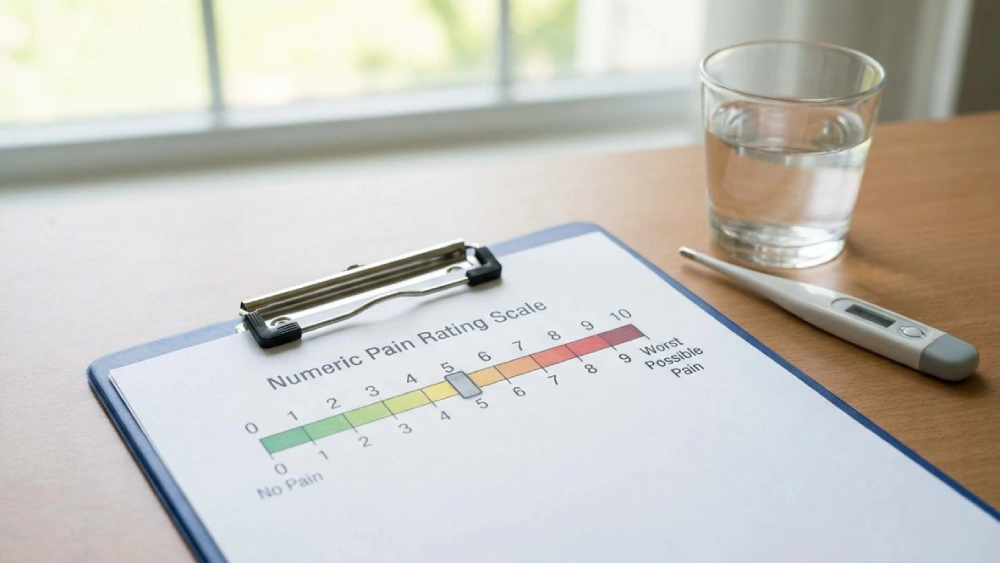
Pain can feel confusing when it changes from mild discomfort to sharp, burning, or sleep-breaking distress. The serious action is to measure pain clearly instead of guessing, especially when it affects movement, sleep, mood, or daily function. The experienced solution is to use pain scales, symptom notes, and clinical review together so pain is explained accurately and managed more safely.
Quick clue: a pain score is not just a number. It shows intensity, impact, urgency, and what kind of support may be needed.
Understanding Pain Severity Levels

Understanding pain severity levels helps people explain pain in a way that is clear, practical, and useful for treatment decisions. This section explains how mild, moderate, and severe pain feel in real life.
Pain severity is usually described by intensity and impact. A low score may be noticeable but manageable. A higher score may interrupt walking, sleep, work, concentration, or emotional control.
The most common pain categories are:
- No pain: 0 out of 10.
- Mild pain: usually 1 to 3.
- Moderate pain: often 4 to 6.
- Severe pain: often 7 to 10.
These numbers are not perfect, but they help create a shared language. A patient may say “bad pain,” but a score of 8 with sleep loss explains the situation more clearly.
Pain severity should also include function. A 4 that stops someone from sleeping may need more attention than a 5 that appears briefly and fades. The number and the real-life effect should be read together.
A simple guide can help:
| Pain Level | Score | Real-Life Meaning |
| No pain | 0 | No discomfort |
| Mild | 1–3 | Noticeable but manageable |
| Moderate | 4–6 | Interferes with tasks or sleep |
| Severe | 7–10 | Strong, limiting, or distressing |
Pain also changes by type. Burning, electric, tingling, or numb pain may point toward Nerve Pain. Aching or tight pain may behave differently.
People researching pain and sleep support can use Simply Sleeping Pills as a service reference, but pain diagnosis and prescription treatment should always remain clinician-led.
Numerical Pain Rating Scale Breakdowns: 0–10 Meaning
Numerical Pain Rating Scale Breakdowns help turn pain into a clear score from 0 to 10. This section explains what each range means and how readers can use it without overthinking.
The Numerical Pain Rating Scale, often called NRS, asks people to rate pain from 0 to 10. Zero means no pain. Ten means the worst pain imaginable.
This scale is useful because it is fast. It can be used at home, during a medical visit, after medication, before sleep, or after physical activity.
Here is a practical NRS breakdown:
| Score | Pain Meaning | Common Impact |
| 0 | No pain | Normal comfort |
| 1–2 | Very mild | Easy to ignore |
| 3 | Mild | Noticeable but controlled |
| 4–5 | Moderate | Distracts from tasks |
| 6 | Strong moderate | Affects sleep or movement |
| 7–8 | Severe | Hard to function |
| 9–10 | Extreme | Needs urgent attention if sudden or unsafe |
A score should not stand alone. Always add pain type, location, trigger, and duration. “7 out of 10 burning pain in both feet at night” is much more useful than “my pain is bad.”
This is especially important when symptoms involve burning nerve pain. Burning pain may feel intense even when the skin looks normal.
A better pain note looks like this:
- Pain score: 6 out of 10
- Location: right leg
- Type: shooting and tingling
- Trigger: lying down
- Duration: 45 minutes
- Effect: woke twice overnight
This type of note helps a clinician understand severity and pattern. It also helps readers see whether pain is getting better, worse, or staying the same.
Alternative Pain Assessment Tools: Better Tracking
Alternative Pain Assessment Tools are useful when one number cannot explain the full pain experience. This section shows other ways to measure pain more clearly.
Some people struggle to choose a number. Others feel their pain is more about sleep loss, weakness, burning, or fear than intensity alone. In those cases, other tools can add useful detail.
Common alternative tools include:
- Visual Analogue Scale: a line from no pain to the worst pain.
- Verbal Rating Scale: words like mild, moderate, severe.
- Faces Pain Scale: helpful for children with communication difficulties.
- Brief Pain Inventory: measures pain and life impact.
- Neuropathic pain screening: checks burning, tingling, electric pain, numbness, and touch sensitivity.
Alternative tools help when pain is complex. For example, a person with Tingling Sensations may need to describe sensation quality, not only intensity.
A practical comparison:
| Tool | Best Use | What It Shows |
| NRS 0–10 | Fast daily score | Intensity |
| Verbal scale | Simple description | Mild to severe |
| Visual scale | Hard-to-number pain | Personal perception |
| Pain diary | Changing symptoms | Pattern over time |
| Nerve screen | Burning or tingling pain | Neuropathic clues |
People with nerve-like symptoms may also compare whether Nerve Pain Differs From Muscle Pain. This helps prevent using the wrong tracking method.
A number is helpful, but a pattern is stronger. Track what the pain feels like, when it appears, what worsens it, and what improves it.
Pain Type Matters: Nerve, Muscle, or Mixed Pain
Pain severity becomes more meaningful when the pain type is clear. This section explains why burning, aching, stabbing, and numbness should not be measured the same way.
Muscle pain often feels sore, tight, or tender. Joint pain may feel stiff, deep, or swollen. Nerve pain may feel electric, burning, stabbing, tingling, or numb.
Pain type changes the next step. A muscle strain may respond to rest and gentle movement. Nerve pain may need medical review, symptom tracking, and a different treatment approach.
Possible pain-type clues include:
| Pain Feeling | Possible Direction |
| Dull soreness | Muscle strain |
| Deep stiffness | Joint irritation |
| Burning | Nerve irritation |
| Electric shock | Nerve pathway pain |
| Tingling or numbness | Sensory nerve change |
| Shooting down the leg | Sciatic-type pattern |
People with Diabetic Neuropathy may report burning, numbness, or tingling in the feet. These symptoms may score differently because numbness can hide injury, while burning causes distress.
The link between blood sugar and nerve pain may also matter for people with diabetes or suspected neuropathy. Pain scores should include blood sugar patterns when relevant.
Mixed pain is also common. Someone may have back stiffness plus shooting leg pain. In that case, one score may not explain the whole problem.
A better note may include two scores. For example, “back ache 4 out of 10, shooting leg pain 8 out of 10.” This helps separate general discomfort from severe nerve-type pain.
Night Pain Scores: Sleep Disruption Clues
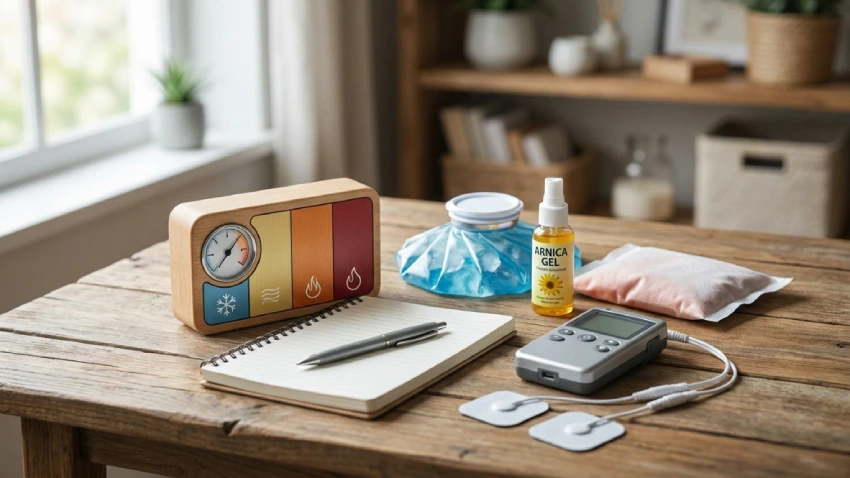
Night pain scores reveal how pain affects sleep quality, recovery, and next-day function. This section focuses on bedtime pain because sleep disruption often changes the seriousness of symptoms.
A pain score may feel manageable during the day, but become more serious when it wakes someone repeatedly. Pain that breaks sleep can increase fatigue, stress, and pain sensitivity the next day.
People who are sleeping with nerve pain often need to track waking times. A score of 5 with three night wakings may be more disruptive than a score of 6 that fades quickly.
Night pain can show patterns such as:
- Pain when lying still.
- Pain that wakes at the same time.
- Burning feet under blankets.
- Shooting pain when turning.
- Numbness after one position.
- Anxiety before bedtime.
Readers can also learn how pain affects sleep quality when discomfort fragments sleep and reduces recovery. Poor sleep can make pain feel stronger the next day.
A night tracking table may help:
| Night Detail | Example |
| Bedtime pain score | 4 out of 10 |
| Worst night score | 8 out of 10 |
| Wake-ups | 3 times |
| Pain type | Burning and tingling |
| Relief used | Position change |
| Morning effect | Fatigue and stiffness |
People trying to manage nerve pain at night should track pressure, sleep position, bedding contact, and pain timing. These details make treatment conversations more accurate.
Severe Pain Signals: When to Seek Help
Severe pain signals need attention when pain is sudden, worsening, spreading, or linked with numbness, weakness, sleep loss, or daily limitation. This section explains when a score becomes a warning.
A high pain score is not the only concern. A moderate score with weakness, numbness, or spreading symptoms may be more serious than a higher score caused by a known short-term strain.
Seek medical advice when pain:
- Scores 7 or higher repeatedly.
- Wakes you most nights.
- Causes weakness or numbness.
- Spreads into arms, legs, hands, or feet.
- Follows injury or trauma.
- Affects balance or walking.
- Comes with fever or unexplained weight loss.
- Causes bladder or bowel changes.
People often ask whether Nerves Heal Naturally Over Time. Some nerve irritation improves, but worsening weakness, numbness, or severe pain should not be left to time alone.
Severity should be measured by score and risk. A sudden 9 out of 10 headache, chest pain, severe back pain with bladder changes, or new limb weakness needs urgent care.
A quick decision guide:
| Pain Situation | Suggested Action |
| Mild and improving | Track and self-care |
| Moderate and recurring | Book a medical review |
| Severe and limiting | Prompt assessment |
| Severe with weakness or numbness | Urgent care |
| Sudden extreme pain | Emergency review |
Pain scales are not meant to scare readers. They help people take symptoms seriously before they become harder to manage.
Medication Review: Safer Pain Discussion
Medication review should be careful, supervised, and based on pain type, severity, sleep impact, and medical history. This section places treatment options responsibly without encouraging self-treatment.
Some medicines may be reviewed when pain is moderate to severe or disrupting sleep. The right choice depends on whether pain is nerve-related, inflammatory, injury-related, or mixed.
For selected pain situations, clinicians may discuss Codeine Phosphate. Codeine is an opioid medicine and should only be used as directed because of sedation, constipation, dependence, and breathing risks.
A clinician may also review Dihydrocodeine for specific pain cases. It should not be mixed with alcohol, benzodiazepines, or other sedating medicines unless a prescriber has assessed safety.
For nerve-related pain, Pregabalin may be discussed under medical supervision. It can cause dizziness, drowsiness, and dependence concerns, so dose and suitability must be reviewed professionally.
For anxiety, seizure-related care, or specific clinical contexts, Clonazepam requires strict medical supervision. Benzodiazepines can be risky when combined with opioids or alcohol.
For short-term insomnia review, Zopiclone may be discussed with a clinician. It is not a general pain treatment and may cause next-day drowsiness, tolerance, or dependence.
For anxiety-related sleep disruption, Xanax Tablets should only be considered with strict professional guidance. Combining benzodiazepines with opioids can be dangerous.
A safer medication review should include:
- Pain score and pattern.
- Pain type and location.
- Sleep disruption.
- Current medicines.
- Alcohol use.
- Breathing or snoring issues.
- Daytime drowsiness.
- Dependence history.
- Treatment goals.
For category awareness, Simply Sleeping Pills can be used as a service reference while keeping treatment decisions medically supervised.
Daily Pain Tracking: Clearer Treatment Decisions
Daily pain tracking helps people move from vague discomfort to clear evidence. This section shows how to record pain in a way that supports better decisions.
A good pain log does not need to be long. It should include score, location, pain type, trigger, duration, sleep effect, and what helped. This makes trends easier to see.
Track these details:
- Morning pain score.
- Evening pain score.
- Worst pain score.
- Pain type.
- Pain location.
- Activity trigger.
- Sleep disruption.
- Medication or topical use.
- Mood and fatigue.
People with recurring pain may benefit from pain friendly exercises when movement is safe. Gentle exercise can support mobility, but worsening pain should be reviewed.
A simple weekly tracker:
| Day | Pain Score | Pain Type | Sleep Impact | Notes |
| Monday | 4 | Aching | Slept well | Walk helped |
| Tuesday | 6 | Burning | Woke twice | Feet tingled |
| Wednesday | 7 | Shooting | Poor sleep | Long sitting |
| Thursday | 5 | Numb/tingly | Light waking | Pillow helped |
A tracker helps show whether pain is improving. It also reveals whether pain is tied to sleep, movement, stress, posture, or medication timing.
For wider sleep and pain support, Simply Sleeping Pills can be placed as the main service reference. The practical goal is clearer communication, safer review, and better pain control.
Frequently Asked Questions: Pain Score Answers
1. What pain level is considered severe?
Pain is often considered severe around 7 to 10 on a 0–10 scale. It becomes more concerning when it limits movement, disrupts sleep, spreads, or appears with numbness, weakness, fever, or injury.
2. Is a pain score of 5 serious?
A score of 5 is usually moderate, but seriousness depends on impact. If it affects sleep, work, walking, mood, or daily tasks, it should be tracked and discussed with a clinician.
3. Why do doctors ask for a pain number?
Doctors ask for a pain number to measure intensity, compare changes, and understand treatment response. The number works best when paired with location, pain type, duration, and daily impact.
4. Can nerve pain score lower but still be serious?
Yes. Nerve pain may score moderate but still involve numbness, weakness, burning, or balance problems. These symptoms can be clinically important even when the number is not extremely high.
5. What is the best pain scale to use at home?
The 0–10 scale is usually easiest for home tracking. Add notes about pain type, location, sleep impact, and triggers. This creates a clearer picture than a number alone.
