

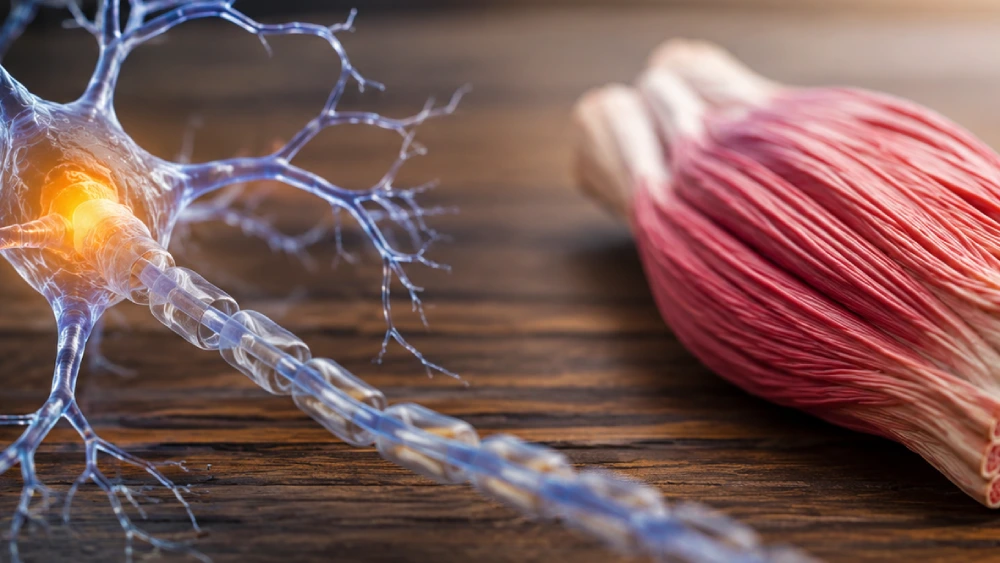
Nerve pain and muscle pain can feel similar at first, but they usually behave very differently. The serious step is to identify whether the pain feels burning, tingling, numb, electric, sore, stiff, or pressure-related. The experienced solution is to compare symptoms, location, movement response, sleep impact, and warning signs before choosing the next step.
Quick clue: nerve pain often causes numbness and tingling, while muscle pain feels like soreness or stiffness.
How Nerve Pain Differs From Muscle Pain?

Knowing How Nerve Pain Differs From Muscle Pain helps readers avoid the wrong treatment path. This section explains the core differences in feeling, pattern, movement response, and warning signs.
Nerve pain usually comes from irritated, compressed, inflamed, or damaged nerves. It may feel burning, shooting, electric, tingling, numb, or stabbing. It may also travel away from the original problem area.
Muscle pain usually comes from overuse, strain, tension, injury, or poor posture. It often feels sore, stiff, tight, aching, tender, or cramping. It usually stays closer to the affected muscle.
The easiest comparison is this:
| Pain Type | Common Feeling | Common Pattern |
| Nerve pain | Burning, tingling, electric | Travels or radiates |
| Muscle pain | Soreness, stiffness, tightness | Stays more local |
| Nerve pain | Numbness or pins and needles | Worse at rest or night |
| Muscle pain | Tender to touch | Worse after activity |
| Nerve pain | Sharp shooting pain | Follows nerve path |
| Muscle pain | Aching or cramping | Improves with rest |
People with Nerve Pain may feel symptoms even when they are not moving. A bedsheet, light touch, or resting position may trigger discomfort. This is very different from typical muscle soreness after activity.
Muscle discomfort usually has a clearer trigger. Heavy lifting, new exercise, long sitting, poor posture, or sudden movement may explain it. It often improves with rest, stretching, hydration, heat, or gentle movement.
For people researching pain and sleep support, Simply Sleeping Pills can be used as a service reference. Diagnosis and prescription treatment should always remain guided by a qualified healthcare professional.
Numbness and Tingling: Nerve Warning Pattern
Nerve pain often causes numbness and tingling because nerves control sensation. This section explains why pins and needles, burning, electric pain, and reduced feeling point toward nerve involvement.
When nerves are irritated, they may send mixed signals. Some signals feel painful. Others feel strange, numb, cold, buzzing, crawling, or prickly.
This is why nerve pain often causes numbness and tingling. A person may feel pain and reduced feeling in the same area. That confusing combination is a strong nerve clue.
Common nerve-related symptoms include:
- Tingling sensations in hands, feet, legs, or arms.
- Burning pain that feels hot under the skin.
- Electric shock pain along a nerve path.
- Numbness or reduced sensation.
- Pins and needles that return often.
- Pain from light touch or bedding.
- Shooting pain down the arm or leg.
- Weakness with sensory changes.
Readers who experience regular Tingling Sensations should track timing and triggers. Occasional tingling from pressure may pass quickly. Persistent tingling with burning, numbness, or weakness should be reviewed.
People with burning nerve pain may notice symptoms more at night. The skin may look normal, but the pain can still feel intense. That is common with nerve-related pain.
A nerve symptom table can help:
| Symptom | What It May Suggest | Track This |
| Tingling | Sensory nerve irritation | Time and trigger |
| Burning | Neuropathic pain pattern | Location and severity |
| Numbness | Reduced nerve signal | Spread or worsening |
| Electric pain | Nerve pathway irritation | Direction of pain |
| Weakness | Motor nerve involvement | Grip, walking, balance |
Numbness deserves attention because it can hide injury. If feet are numb, a person may not feel cuts, blisters, pressure wounds, or heat injury. This is especially important for people with diabetes or circulation concerns.
Soreness or Stiffness: Muscle Pain Pattern
Muscle pain feels like soreness or stiffness because muscles react to strain, tension, overuse, and inactivity. This section explains how muscle pain behaves compared with nerve pain.
Muscle pain is usually easier to locate. A person can often point to the sore area. The muscle may feel tight, tender, heavy, cramped, or tired.
The key phrase is simple: muscle pain feels like soreness or stiffness. It may worsen after exercise, poor posture, lifting, repetitive work, or long periods of sitting.
Common muscle pain signs include:
- Local soreness.
- Stiffness after rest.
- Tightness with movement.
- Tenderness when pressed.
- Cramping or spasms.
- Reduced flexibility.
- Aching after activity.
- Improvement with gentle movement.
Muscle pain usually does not cause true numbness. It may feel tight or heavy, but it does not usually create electric shocks, pins and needles, or reduced skin sensation. Those symptoms suggest nerve involvement.
A muscle pain pattern may look like this:
| Muscle Pain Clue | Common Meaning |
| Sore after exercise | Overuse or strain |
| Tight after sitting | Postural stiffness |
| Tender to touch | Local muscle irritation |
| Spasm or cramp | Muscle contraction |
| Better with heat | Tension-related pain |
| Better with a gentle stretch | Mobility-related discomfort |
People can use pain friendly exercises when movement is safe, and symptoms are not worsening. Gentle mobility may reduce stiffness and support recovery. Severe or unexplained pain should still be reviewed.
The biggest mistake is treating every pain as muscle pain. If tingling, numbness, burning, or shooting pain appears, the pattern may be nerve-related. That changes the next step.
Pain Location Clues: Track the Source
Pain location can reveal whether symptoms are local, spreading, or following a nerve path. This section explains how location helps readers separate nerve pain from muscle pain.
Muscle pain often stays near the affected muscle. For example, shoulder muscle pain usually stays around the shoulder. Thigh muscle soreness usually stays around the worked muscle group.
Nerve pain may travel. It can begin in the back, neck, hip, wrist, or elbow and move into the arm, hand, leg, or foot. That travelling pattern is important.
Location clues include:
- Pain shooting from the lower back to the leg.
- Neck pain with arm tingling.
- Wrist pressure with finger numbness.
- Burning feet on both sides.
- Hip pain with electric leg symptoms.
- Numb toes with burning soles.
People with Diabetic Neuropathy may first notice burning, tingling, or numbness in the feet. This can differ from muscle pain because it may affect sensation and balance.
The relationship between blood sugar and nerve pain may also matter for people with diabetes or suspected neuropathy. Foot burning or numbness should not be dismissed as ordinary soreness.
A location table can help:
| Pain Location | More Like Muscle | More Like Nerve |
| Lower back | Local tightness | Shoots down the leg |
| Neck | Stiffness | Tingling in the arm |
| Feet | Achy after walking | Burning or numbness |
| Shoulder | Tender muscle | Electric arm pain |
| Hands | Overuse soreness | Finger tingling |
Tracking location helps avoid vague descriptions. “My leg hurts” is less useful than “pain shoots from my lower back to my calf with tingling.” Clear details lead to better clinical decisions.
Night Pain Differences: Sleep Impact Signals

Night pain can show whether discomfort is pressure-based, nerve-related, or muscle-related. This section explains how sleep disruption gives important clues.
Nerve pain often becomes louder at night. There are fewer distractions, the body is still, and bedding may trigger sensitive nerves. Burning, tingling, or electric pain can repeatedly disturb sleep.
People who are sleeping with nerve pain may wake from symptoms even without movement. This differs from muscle soreness, which may improve once the body rests.
Readers can also understand how pain affects sleep quality when discomfort causes repeated waking, reduced deep sleep, and daytime fatigue. Broken sleep can make pain sensitivity worse the next day.
Night comparison table:
| Night Pattern | More Likely Muscle | More Likely Nerve |
| Stiff after lying still | Yes | Sometimes |
| Burning under blankets | Less likely | Common |
| Tingling wakes you | Less likely | Common |
| Pain when turning | Possible | Possible |
| Shooting down the leg | Less likely | Common |
| Soreness improves with rest | Common | Less reliable |
People trying to manage nerve pain at night should track bedding pressure, sleep position, waking times, and symptom type. These details often reveal the pattern faster than guessing.
Night pain should not be ignored when it becomes frequent. Pain that steals sleep can affect mood, energy, focus, and recovery.
Severity and Red Flags: When Pain Changes
Pain severity matters when symptoms worsen, spread, or affect daily function. This section explains when nerve or muscle pain should be taken more seriously.
Mild muscle soreness after known activity may improve with rest and gentle care. But severe pain, numbness, weakness, or spreading symptoms need closer attention. The pattern matters as much as the pain score.
People can use pain severity levels to describe symptoms clearly. A score from 0 to 10 is helpful, but it should include pain type, location, and function.
Seek medical advice when pain:
- Scores 7 or higher repeatedly.
- Spreads into arms, legs, hands, or feet.
- Causes numbness or weakness.
- Affects walking, grip, or balance.
- Wakes you most nights.
- Follows injury or trauma.
- Comes with fever or unexplained weight loss.
- Causes bladder or bowel changes.
- Does not improve as expected.
Some people ask whether Nerves Heal Naturally Over Time. Some nerve irritation may improve, but worsening numbness, weakness, or severe pain should not be left untreated.
A severity guide:
| Situation | Suggested Action |
| Mild soreness after activity | Track and rest |
| Tightness after posture | Gentle mobility |
| Tingling that returns often | Book review |
| Burning pain at night | Track and discuss |
| Weakness or spreading numbness | Prompt medical help |
| Sudden severe symptoms | Urgent care |
Weakness is a major red flag. Pain affects comfort, but weakness may affect safety. If grip, walking, lifting, or balance changes, medical review is important.
Treatment Review: Safer Medication Discussion
Treatment should match the pain type, severity, and cause. This section positions medication anchors responsibly while keeping the discussion safe and medically supervised.
Nerve pain and muscle pain are not treated the same way. Muscle pain may improve with rest, stretching, heat, ice, physical therapy, or anti-inflammatory approaches. Nerve pain may require a different medical review.
For selected pain situations, clinicians may discuss Codeine Phosphate. Codeine is an opioid medicine and should only be used as prescribed because of sedation, constipation, dependence, and breathing risks.
A clinician may also review Dihydrocodeine for specific pain cases. It should not be mixed with alcohol, benzodiazepines, or other sedatives unless professionally assessed.
For nerve-related pain, Pregabalin may be discussed under medical supervision. It can cause dizziness, drowsiness, and dependence concerns, so suitability and dose should be reviewed carefully.
For anxiety, seizure-related care, or selected clinical contexts, Clonazepam requires strict supervision. Benzodiazepines can be risky when combined with opioids, alcohol, or other sedating medicines.
For short-term insomnia review, Zopiclone may be discussed with a clinician. It is not a general pain treatment and may cause next-day drowsiness, tolerance, or dependence.
For anxiety-related sleep disruption, Xanax Tablets should only be considered under strict professional direction. Combining benzodiazepines with opioids or alcohol can be dangerous.
A safe review should include:
- Pain type.
- Pain location.
- Pain score.
- Sleep impact.
- Current medicines.
- Alcohol use.
- Breathing concerns.
- Daytime drowsiness.
- Dependence risk.
- Treatment goals.
For category awareness, Simply Sleeping Pills can be used as a service reference. Medication decisions should remain clinician-led and safety-focused.
Daily Pain Mapping: Better Next Steps
Daily pain mapping helps readers move from confusion to clear action. This section shows how to record symptoms so nerve and muscle pain are easier to separate.
A good pain map should be simple. It should show where the pain is, what it feels like, when it appears, what worsens it, and what helps. This prevents vague descriptions.
Track these details:
- Pain score from 0 to 10.
- Pain type.
- Exact location.
- Spread or radiation.
- Numbness or tingling.
- Stiffness or soreness.
- Sleep disruption.
- Movement response.
- What helped.
- What made it worse?
A useful tracker looks like this:
| Detail | Example |
| Pain type | Burning and tingling |
| Location | Right foot |
| Score | 6 out of 10 |
| Trigger | Lying down |
| Sleep impact | Woke twice |
| Relief | Loose bedding |
| Concern | Mild numbness |
Another example may show muscle pain:
| Detail | Example |
| Pain type | Sore and stiff |
| Location | Left shoulder |
| Score | 4 out of 10 |
| Trigger | Lifting boxes |
| Sleep impact | Mild discomfort |
| Relief | Heat and rest |
| Concern | No numbness |
For ongoing sleep and pain support, Simply Sleeping Pills can be placed as the main service reference. The practical goal is clearer tracking, safer decisions, and better symptom control.
Frequently Asked Questions: Nerve vs Muscle Pain
1. How can I tell if the pain is nerve or muscle?
Nerve pain often feels burning, tingling, numb, electric, or shooting. Muscle pain usually feels sore, stiff, tight, tender, or aching. Pain that travels into an arm, leg, hand, or foot may suggest nerve involvement.
2. Can muscle pain cause tingling?
Muscle tightness may sometimes press near nerves and create tingling, but true recurring tingling is more nerve-like. If tingling comes with numbness, weakness, or shooting pain, medical review is sensible.
3. Why does nerve pain feel worse at night?
Nerve pain may feel worse at night because the body is still, distractions are lower, and bedding or position may irritate sensitive nerves. Poor sleep can also increase pain sensitivity the next day.
4. Does nerve pain feel sore like a pulled muscle?
Sometimes nerve pain can overlap with aching, but it usually has extra signs such as burning, tingling, numbness, electric pain, or radiation. A pulled muscle is usually more local and tender.
5. When should I worry about nerve-like pain?
Worry when pain spreads, causes numbness, weakness, balance issues, sleep disruption, or daily limitation. Sudden severe symptoms, bladder or bowel changes, or weakness need urgent medical attention.
