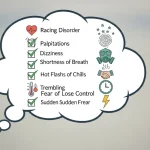
Waking up suddenly in the middle of the night with a racing heart, sweating, and overwhelming fear can feel terrifying and confusing. Many people assume it’s just a bad dream, but it may actually be a nocturnal panic attack. These episodes often strike without warning and leave you feeling shaken, even after waking up.
The problem is that panic attack nightmares are frequently misunderstood, leading to delayed treatment and ongoing distress. They can disrupt your sleep cycle, affect your mental health, and create fear around going to bed.
The good news is that understanding the causes, triggers, and solutions can help you regain control. With the right strategies, therapies, and support, including expert guidance from trusted sources like Simply Sleeping Pills, you can manage and reduce these nighttime episodes effectively.
Key Causes and Triggers of Panic Attack Nightmares
Understanding what triggers panic attack nightmares is the first step toward managing them effectively. These episodes are not random, they are often linked to psychological, physiological, and lifestyle factors that disrupt your body’s natural sleep rhythm.
Chronic Stress and Anxiety Disorders
Chronic stress is one of the most common triggers of nighttime panic attacks. When your mind is overloaded during the day, it often continues processing stress during sleep, leading to sudden fear responses.
People with Generalized Anxiety Disorder (GAD) or panic disorder are particularly vulnerable. Their nervous system remains hyperactive, even during rest, making nighttime episodes more likely.
Post-Traumatic Stress Disorder (PTSD) also plays a major role. Emotional trauma can resurface during sleep, triggering intense panic even without a clear dream. Over time, untreated anxiety builds a cycle where fear of sleep itself becomes a trigger, worsening the condition.
Physiological Changes During Sleep
Your body goes through several stages of sleep, including deep sleep where vital processes slow down. However, sudden changes in breathing or heart rate can trigger your body’s alarm system.
These physiological shifts can mimic danger signals. The brain may misinterpret them as threats, activating a panic response.
This is why many people wake up with symptoms like shortness of breath or a pounding heart without any obvious cause. Even though the episode feels intense, it typically lasts less than 10 minutes and is not physically harmful.
Lifestyle and Substance Triggers
Certain habits can significantly increase the likelihood of panic attacks during sleep.
- High caffeine intake late in the day
- Nicotine stimulation before bedtime
- Alcohol use or withdrawal effects
These substances interfere with your sleep cycle and nervous system balance. They can make your body more reactive to internal changes during sleep. Reducing or eliminating these triggers can dramatically improve sleep quality and reduce nighttime panic.
Sleep Disorders and Hidden Conditions
Underlying sleep disorders like sleep apnea can contribute to panic attacks. Interrupted breathing can cause sudden awakenings that trigger fear responses.
Poor sleep quality also weakens emotional regulation. When your body is not well-rested, it becomes more sensitive to stress.
Conditions like insomnia can further intensify anxiety, creating a vicious cycle of fear and sleep disruption. Medical evaluation is crucial to rule out these hidden causes.
Sleep Better Starting Tonight!
Trauma and Emotional Memory
Trauma deeply affects how the brain processes fear. During sleep, unresolved emotional memories can resurface. People with PTSD may experience flashbacks or intense emotional reactions, even without clear dream recall.
These episodes often feel like a “sense of doom,” making them more distressing than typical nightmares. Addressing trauma through therapy is essential for long-term recovery.
Panic Attacks vs Nightmares vs Night Terrors
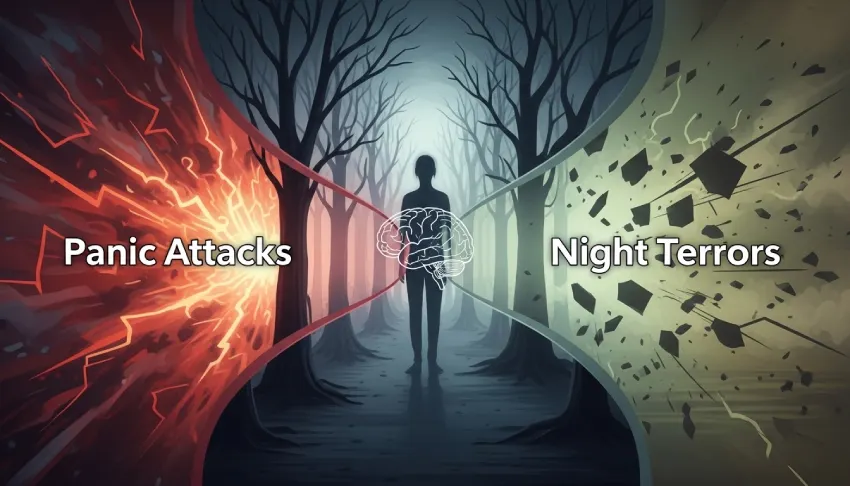
Many people confuse panic attack nightmares with other sleep disturbances. Understanding the differences helps you identify the right treatment and avoid unnecessary fear.
Nightmares (REM Sleep Disturbances)
Nightmares occur during REM sleep and are often linked to vivid, disturbing dreams. You usually remember the content upon waking. These dreams may involve fear, danger, or emotional distress.
However, they are tied to a storyline or imagery. While unsettling, nightmares do not usually cause the same intense physical panic symptoms as nocturnal panic attacks. They are more common during periods of stress but are generally easier to manage.
Nighttime Panic Attacks (Non-REM Events)
Nighttime panic attacks occur during deeper stages of sleep (non-REM). They often wake you suddenly without a clear dream. You may feel an overwhelming sense of danger, even though nothing is happening. Physical symptoms like chest tightness and rapid heartbeat are common.
Unlike nightmares, these episodes are purely physiological and psychological responses, not dream-based. They are brief but intense, often leaving you anxious about falling back asleep.
Night Terrors (Common in Children)
Night terrors are different from both nightmares and panic attacks. They are more common in children and involve physical reactions like screaming or thrashing. The person may appear awake but is not fully conscious. They usually do not remember the episode afterward.
Unlike panic attacks, night terrors do not involve conscious fear or anxiety. Most children outgrow them, but adults experiencing similar symptoms should seek medical advice.
How to Manage Panic Attack Nightmares Effectively?
Managing panic attack nightmares requires a combination of medical support, lifestyle changes, and mental health strategies. A holistic approach ensures both immediate relief and long-term improvement.
Seek Medical Evaluation
Consulting a healthcare professional is the first step. It helps rule out underlying conditions such as sleep apnea or heart issues. A proper diagnosis ensures that you receive the right treatment.
It also prevents unnecessary worry about physical health. Doctors may recommend sleep studies or anxiety assessments to identify triggers. Early intervention can significantly reduce the frequency of episodes.
Psychological Therapies That Work
Cognitive Behavioral Therapy (CBT) is highly effective for managing anxiety and panic disorders. It helps reframe negative thought patterns. Trauma-focused therapy is essential for individuals dealing with PTSD.
It addresses the root cause of emotional distress. Therapy also teaches coping mechanisms to handle panic episodes more effectively.Over time, these methods can reduce both the intensity and frequency of attacks.
Lifestyle Adjustments for Better Sleep
Simple changes can make a big difference in managing nighttime panic.
- Maintain a consistent sleep schedule
- Avoid caffeine and alcohol before bed
- Engage in regular physical activity
Creating a calming bedtime routine helps signal your body that it’s time to rest. Improved sleep hygiene reduces overall anxiety and stabilizes your nervous system.
Relaxation and Mindfulness Techniques
Relaxation techniques help calm the mind and body before sleep. Deep breathing exercises regulate your heart rate and reduce stress levels.Mindfulness meditation helps you stay present and reduces overthinking.
Yoga and progressive muscle relaxation can also improve sleep quality. Practicing these techniques regularly builds resilience against panic triggers.
Role of Sleep and Anxiety Medications
In some cases, medication may be prescribed to manage severe symptoms. These should always be used under medical supervision.
Options may include:
- Zopiclone tablets such as Zopiclone 7.5 mg Tablets for insomnia
- Alprazolam tablets like Xanax Tablets 1 mg Tablets for acute anxiety
- Adjusted diazepam dosage (e.g., Buy Diazepam/Valium 10 mg) for calming effects
- Sleep aids like Zolpidem (Ambien) 10 mg (often searched as buy zolpidem online)
- Long-term anxiety control with Clonazepam 2 mg (INDIAN) (buy clonazepam)
While effective, these medications should not be relied on as the only solution. Combining medication with therapy and lifestyle changes yields the best results.
Why Choose Us for Safe & Reliable Support?

Choosing the right provider for sleep and anxiety support is crucial. At Simply Sleeping Pills, we prioritize safety, quality, and expert guidance to help you achieve restful nights and peace of mind.
Your Trusted Partner in Restful Sleep Solutions
We are recognized as the most trusted online pharmacy in the UK. Our commitment to quality ensures you receive only genuine medications.
We specialize in insomnia and sleep-related conditions, offering tailored solutions for every need. Our expertise helps you make informed decisions about your health.
Premium Quality Medicines from Leading Brands
We source our medications from the most prestigious pharmaceutical companies. This guarantees safety, effectiveness, and reliability. Our range includes trusted treatments for both sleep and anxiety disorders. Every product meets strict quality standards to ensure your well-being.
Expert Guidance You Can Count On
Our team provides the best advice to help you manage panic attack nightmares effectively. We understand that every individual’s needs are different. That’s why we offer personalized support. Our goal is to empower you with knowledge and safe solutions.
Discreet, Secure & Convenient Experience
We offer a secure and confidential ordering process. Your privacy is always protected. Fast delivery ensures you receive your medications without delay. Our seamless service makes managing your health simple and stress-free.
FAQs
What causes insomnia and panic attacks during sleep?
Insomnia and nighttime panic attacks are often caused by stress, anxiety disorders, and poor sleep habits. Physiological changes during sleep can also trigger panic responses, especially in individuals with heightened anxiety levels.
Can anxiety disorders lead to panic attack nightmares?
Yes, anxiety disorders such as GAD and panic disorder are major contributors. They keep the nervous system active, making it easier for panic episodes to occur during sleep.
How can I calm anxiety before bedtime?
You can calm anxiety through relaxation techniques like deep breathing, meditation, and avoiding stimulants. Establishing a consistent bedtime routine also helps reduce nighttime anxiety.
What are the common symptoms of panic attacks during sleep?
Common symptoms include sudden awakening, rapid heartbeat, sweating, chest tightness, and a sense of impending doom. These episodes are intense but usually short-lived.
Reclaim Your Nights and Sleep Peacefully Again
Waking up terrified in the middle of the night can feel overwhelming, but you are not alone, and more importantly, it is manageable. Panic attack nightmares are often linked to stress, anxiety, and underlying triggers that can be identified and treated.
By understanding the causes and differences between sleep disturbances, you can take the first step toward recovery. Combining therapy, lifestyle changes, and professional support creates a powerful path to healing.
With trusted guidance from Simply Sleeping Pills, you gain access to safe, effective solutions tailored to your needs. Take control of your sleep, reduce anxiety, and start enjoying peaceful, uninterrupted nights once again.