

Sciatica pain can be incredibly disruptive, affecting your lower back, hips, and legs with sharp, burning, or shooting sensations. For many people, even simple activities like walking, sitting, or sleeping become uncomfortable when the sciatic nerve is irritated or compressed. This condition often develops due to herniated discs, spinal problems, or muscle tightness around the lower spine.
The good news is that most cases of sciatica can be managed effectively without surgery. Treatments usually focus on reducing inflammation, relieving nerve pressure, and improving flexibility and mobility through movement, stretching, and targeted pain management strategies.
From gentle exercise and therapeutic stretches to medications and advanced medical procedures, there are several ways to relieve sciatic nerve pain. This guide explores the best treatments for sciatica pain, helping you restore mobility, reduce discomfort, and return to daily life with greater comfort and confidence.
Movement and Gentle Exercise for Sciatica Relief

Movement plays a crucial role in managing sciatica pain. Many people believe resting in bed helps relieve back pain, but prolonged inactivity can actually worsen the condition. Gentle movement helps maintain flexibility and prevents muscles from becoming stiff.
Regular activity improves blood circulation around the affected nerve. Better circulation reduces inflammation and supports the body’s natural healing process. Even simple activities like walking for short periods can significantly reduce discomfort caused by sciatic nerve compression.
One of the biggest benefits of gentle exercise is that it strengthens the muscles that support the spine. Stronger muscles help stabilize the lower back, reducing pressure on the sciatic nerve and preventing recurring pain episodes.
Some helpful activities for sciatica relief include:
- Short walks throughout the day
- Light stretching routines
- Low-impact exercises such as swimming or yoga
- Maintaining proper posture when sitting or standing
Heat and cold therapy can also complement gentle exercise routines. Cold packs applied for about 20 minutes help reduce inflammation during the first couple of days of pain.
After the initial inflammation decreases, heat therapy can relax tight muscles and improve circulation. Many people alternate between heat and cold therapy to maximize pain relief.
Staying active is one of the most effective natural strategies for managing sciatica pain. Even small movements throughout the day can support recovery and help restore mobility.
Targeted Stretches That Help Relieve Sciatic Nerve Pressure
Stretching exercises are an essential part of sciatica treatment. They help reduce pressure on the sciatic nerve by relaxing tight muscles in the hips, glutes, and lower back.
Below are some of the most recommended stretches for relieving sciatic nerve pressure.
Figure-Four Stretch
The figure-four stretch is widely recommended for sciatica relief because it targets the glutes and piriformis muscle. Tightness in these muscles often contributes to nerve compression.
To perform this stretch, lie on your back with both knees bent. Place the ankle of the affected leg over the opposite knee to form a “figure four” shape.
Next, gently pull the supporting leg toward your chest. This stretch helps loosen tight glute muscles and reduce pressure on the sciatic nerve. Hold the position for about 20 to 30 seconds while breathing slowly. Repeat several times to gradually increase flexibility.
Over time, this stretch can improve hip mobility and relieve nerve irritation.
Knee-to-Chest Stretch
The knee-to-chest stretch helps relieve pressure in the lower back and spine. It gently stretches the muscles that support the lumbar region. Begin by lying on your back with legs extended. Slowly pull one knee toward your chest using both hands.
This movement helps decompress the spine and reduces pressure around the sciatic nerve roots. Hold the stretch for around 20 seconds before returning the leg to its starting position. Repeat the movement with the opposite leg.
Lumbar Extension Stretch
The lumbar extension stretch helps counteract pressure on spinal discs that may be compressing the sciatic nerve.
To perform this stretch, lie face down on the floor with your hands placed beneath your shoulders. Slowly push your upper body upward while keeping your hips on the ground. This position gently extends the lower spine, similar to a mild push-up movement.
Holding this position for a few seconds allows the spine to decompress and may reduce nerve irritation. Practicing lumbar extension exercises regularly can improve spinal posture and reduce the risk of chronic sciatica pain.
Pain Relief Medications for Sciatica

While movement and stretching are essential for long-term relief, medications can help manage the pain associated with sciatica. These treatments reduce inflammation and help patients remain active during recovery.
There are several categories of medications commonly used to treat sciatic nerve pain.
NSAIDs and Over-the-Counter Pain Relief
Nonsteroidal anti-inflammatory drugs (NSAIDs) are commonly used to reduce inflammation and relieve mild to moderate pain. Medications like ibuprofen help decrease swelling around irritated nerves.
By lowering inflammation, NSAIDs reduce pressure on the sciatic nerve and allow the body to heal more effectively.
These medications are typically used during the early stages of sciatica pain to manage discomfort. However, long-term use should always be monitored by a healthcare professional.
Prescription Pain Relief Options
When sciatica pain becomes more severe, doctors may prescribe stronger medications. These medicines help control moderate to intense pain that cannot be managed with over-the-counter treatments.
Common prescription pain relief options may include:
- Codeine Phosphate 30 mg for moderate pain relief
- Dihydrocodeine 30mg tablet options when stronger analgesics are required
- Combination medicines such as 30 mg co codamol or Co-Codamol 30/500mg
- Opioid-based medicines like Tramadol 50 mg Online
Patients are sometimes advised to buy tramadol capsules through licensed pharmacies when prescribed by healthcare professionals. The correct dihydrocodeine dosage should always be determined by a doctor to ensure safe use.
Neuropathic Pain Medications
Sciatica is often categorized as nerve pain. Because of this, medications specifically designed for neuropathic pain can be highly effective. Neuropathic pain medicines work by altering nerve signals that transmit pain to the brain.
Examples include:
- Pregabalin 300mg Tablets
- Treatments prescribed based on the correct pregabalin dose neuropathic pain management
These medications are particularly helpful when traditional painkillers do not provide sufficient relief. They may reduce burning, tingling, and shooting pain associated with nerve damage.
Advanced Treatments for Persistent Sciatica
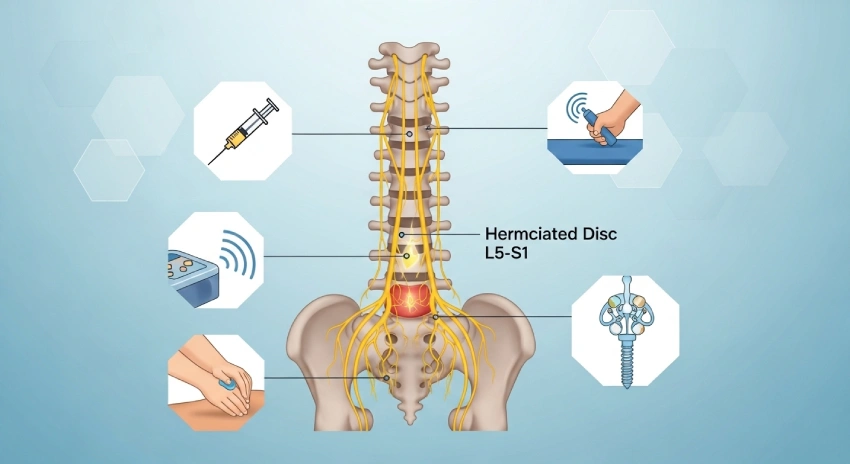
In most cases, sciatica improves with self-care and medication. However, some patients experience persistent symptoms that require advanced medical treatments. Doctors may recommend specialized procedures when nerve compression continues despite conservative therapy.
These treatments focus on reducing inflammation or removing the source of nerve pressure.
Epidural Steroid Injections
Epidural steroid injections are used to reduce inflammation around irritated spinal nerves. A corticosteroid medication is injected near the affected nerve roots in the spine.
This treatment can provide temporary relief from pain and improve mobility. For some patients, the injections allow enough relief to participate in physical therapy and rehabilitation programs.
Surgical Treatment
Surgery is rarely required for sciatica but may be recommended when severe nerve compression causes ongoing symptoms. Procedures are typically considered when patients experience significant weakness, numbness, or loss of bladder control.
Common surgical treatments include removing part of a herniated disc that presses on the sciatic nerve. These procedures aim to relieve pressure on the nerve and restore normal spinal function.
Why Choose Simply Sleeping Pills Online?
Simply Sleeping Pills is a most trusted online pharmacy in the UK, dedicated to helping individuals manage pain and sleep disorders effectively. Our goal is to provide convenient access to high-quality medicines sourced from prestigious pharmaceutical companies.
We specialize in medications designed to support individuals dealing with chronic pain, nerve discomfort, and sleep difficulties. Our pharmacy ensures that customers receive reliable treatment options with clear guidance on safe usage.
Key benefits of choosing Simply Sleeping Pills include:
- Wide range of prescription pain management options
- Secure and discreet ordering process
- Reliable supply of medications including Codeine Phosphate 30 mg, Dihydrocodeine 30mg tablet, Co-Codamol 30/500mg, Tramadol 50 mg Online, and Pregabalin 300mg Tablets
- Fast delivery and dependable customer service
- Clear information about safe usage and dosage guidance
Our team is committed to providing customers with the best advice and trusted medications to support their health and wellbeing.
Where to Find Simply Sleeping Pills?
Simply Sleeping Pills operates as a reliable online medicine store in the UK, making it easier for individuals to access quality medications from the comfort of their homes.
Our website provides a convenient platform where customers can browse available treatments and learn more about pain management options. The ordering process is designed to be simple, secure, and discreet.
We work closely with reputable pharmaceutical manufacturers to ensure that all medications meet high-quality standards. Customers trust Simply Sleeping Pills because we prioritize safety, transparency, and professional guidance.
Whether you need help managing nerve pain, insomnia, or post-surgery discomfort, our pharmacy offers dependable solutions and fast delivery throughout the UK.
FAQs
How can chronic pain be managed effectively?
Managing chronic pain often involves a combination of physical therapy, lifestyle changes, and medication. Gentle exercise, stretching routines, and proper posture can help reduce nerve pressure.
In some cases, medications such as Codeine Phosphate 30 mg or Pregabalin 300mg Tablets may be prescribed to manage persistent nerve pain.
What strong painkillers are used for severe pain?
Doctors may prescribe stronger medications when standard treatments are not effective. Options may include Dihydrocodeine 30mg tablet, Co-Codamol 30/500mg, or Tramadol 50 mg Online. These medications should only be taken under professional medical guidance.
What medicines are used for post-surgery pain?
Post-surgery pain is typically managed using combination painkillers such as 30 mg co codamol or prescription medications like tramadol. These medicines help reduce inflammation and improve recovery comfort.
What medications help treat nerve pain?
Nerve pain often responds well to medications designed specifically for neuropathic conditions. Treatments such as Pregabalin 300mg Tablets help regulate nerve signals and reduce pain sensations.
Is tramadol stronger than codeine?
Yes, tramadol is generally considered stronger than codeine. While Codeine Phosphate 30 mg is effective for moderate pain, tramadol may be prescribed for more severe conditions.
Can diabetic neuropathy be treated?
While diabetic neuropathy cannot always be reversed, medications and lifestyle changes can help manage symptoms. Neuropathic pain medicines and proper blood sugar control are important parts of treatment.
Regain Comfort and Mobility from Sciatica Pain
Sciatica pain can significantly impact daily life, but the right treatment approach can make a major difference. By combining gentle movement, targeted stretching exercises, and appropriate pain management strategies, many people can successfully reduce symptoms and restore mobility.
Medications such as anti-inflammatory drugs, prescription painkillers, and neuropathic treatments may also help relieve discomfort when used responsibly. For persistent cases, advanced treatments like epidural injections or surgical procedures may provide lasting relief.
Maintaining an active lifestyle, practicing proper posture, and seeking professional medical advice when symptoms worsen are essential steps toward recovery. With the right care and support, individuals experiencing sciatica can regain comfort, improve mobility, and return to everyday activities with greater confidence.
Disclaimer: Always consult a qualified healthcare provider before starting any medication or treatment.